Pooja Bhatt slams Delhi University for telling students not to go to Jantar Mantar: Don't maintain conspiracy of silence
Source Entity
Latest News: Todays Latest News Headlines from India & World | Hindustan Times | Hindustan Times
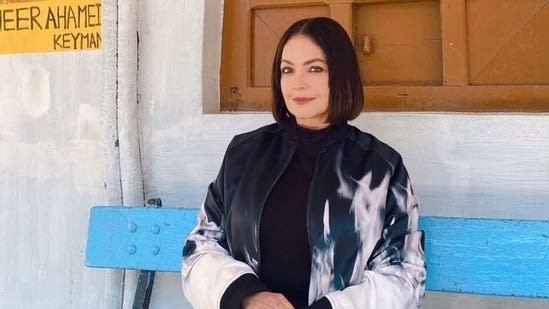
Delhi University has warned students against attending protests at Jantar Mantar, citing potential legal action and safety concerns. This advisory has drawn sharp public criticism, including from actor Pooja Bhatt, who labeled the move a 'conspiracy of silence'.
The Clash Between Academic Autonomy and Student Activism
Recent developments at the University of Delhi have brought the intersection of campus administration, legal compliance, and student activism into sharp focus. The university administration issued a formal advisory on social media, explicitly urging students and faculty to avoid the ongoing protests led by the CJP (Citizens for Justice and Peace) at Jantar Mantar. By framing these gatherings as potentially 'unlawful' and citing directives from the Hon’ble Supreme Court of India, the university has signaled a stringent approach to student conduct regarding off-campus demonstrations.
The University's Stance on Safety and Legality
The administration’s communication emphasizes a dual rationale: the physical safety of the university community and the avoidance of legal repercussions. By explicitly mentioning that unauthorized or non-compliant assemblies at Jantar Mantar could 'invite legal action,' the university is positioning itself as a protective entity attempting to shield its students from the volatility of public protests. This administrative posture reflects a growing trend among Indian higher education institutions, which are increasingly cautious about the political associations of their student bodies.
Public Backlash and the 'Conspiracy of Silence'
The advisory has not gone unchallenged. Actor and filmmaker Pooja Bhatt has publicly criticized the university’s stance, characterizing the warning as a 'conspiracy of silence.' Her intervention highlights a significant societal debate: whether educational institutions are acting as guardians of student welfare or as instruments of suppression intended to stifle political discourse. This criticism suggests that such advisories are perceived by many as an attempt to discourage civic engagement rather than a genuine effort to ensure safety.
Broader Implications for Campus Culture
This incident is part of a larger, recurring pattern of tension between university administrations and student activists in India. The reference to the IIT Madras administration asking a student body to remove a pro-protest video indicates that this is not an isolated event but a broader trend in how elite Indian institutions manage political expression. These administrative interventions often trigger debates regarding the fundamental right to protest versus the institutional authority to maintain order and discipline.
Historical Context and Future Trends
Historically, Jantar Mantar has served as the epicenter of democratic expression in the capital. When universities attempt to limit student presence at such sites, they inevitably clash with the tradition of student-led political movements. Moving forward, it is likely that these tensions will continue to escalate as institutions seek to balance legal compliance with the pedagogical need for students to engage with real-world socio-political issues. The friction between administrative directives and the culture of dissent remains a defining challenge for the Indian academic landscape.
Conclusion
The situation at Delhi University serves as a microcosm for the complex relationship between academic institutions and the political participation of their students. While the university cites legal mandates and safety as its primary drivers, the vocal opposition from figures like Pooja Bhatt underscores the deep-seated concerns regarding the chilling effect such warnings may have on student activism. As this situation unfolds, the core issue remains the preservation of space for democratic expression within the boundaries of institutional and legal frameworks.
Multiple Citing Sources
Verification Required?