Delhi’s future planning must involve efficient partnerships
Source Entity
Latest News: Todays Latest News Headlines from India & World | Hindustan Times | Hindustan Times
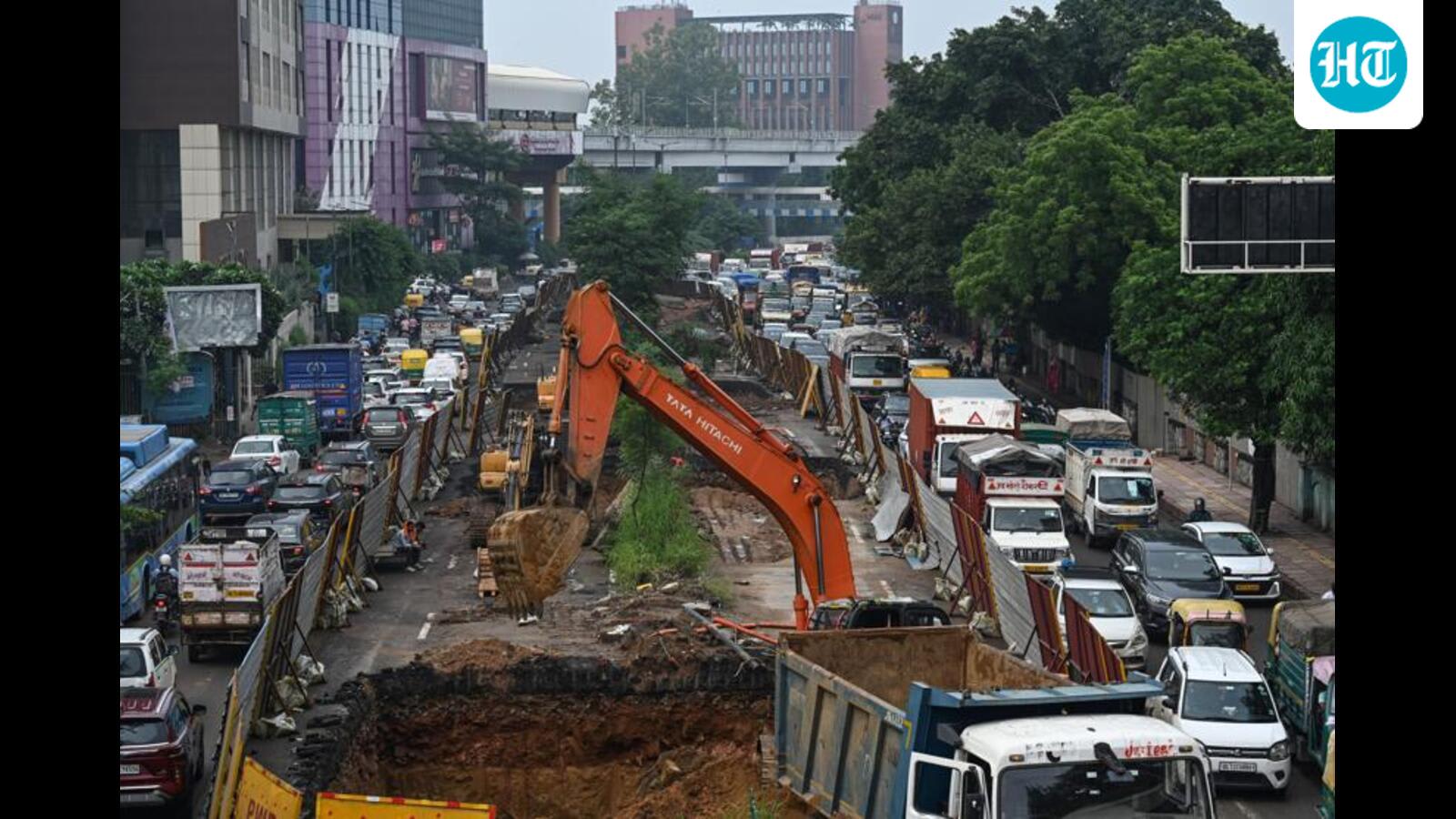
Delhi’s rapid urban expansion requires integrated governance and strategic public-private partnerships to manage complex infrastructure challenges. Success hinges on institutional capacity and the ability to align private investment with public service reliability.
The Imperative of Integrated Governance in Delhi
Delhi, as the national capital of India, faces a unique set of urban challenges driven by rapid population growth and the increasing complexity of its metropolitan landscape. The city’s infrastructure—ranging from transport and housing to water, sanitation, and healthcare—does not function in silos. Instead, these sectors form a highly interconnected urban system where a policy shift or infrastructure project in one area invariably sends ripples through the others. Addressing these challenges requires a shift from fragmented planning toward a holistic, system-wide approach that recognizes the interdependence of essential public services.
The Role of Public-Private Partnerships (PPPs)
Public-Private Partnerships (PPPs) have emerged as a critical instrument in the modern governance toolkit, particularly for a city like Delhi that requires massive capital infusion to modernize its aging or insufficient infrastructure. By leveraging private sector efficiency, technological innovation, and financial resources, the government can theoretically accelerate the delivery of public goods. However, it is essential to recognize that PPPs are a tool of governance, not a substitute for it. The underlying responsibility for oversight, equity, and service standards remains firmly with the public sector, which must define the parameters for private participation.
The Governance Foundation
The success of any partnership model in Delhi is fundamentally tied to the quality of governance that supports it. Institutional capacity is the bedrock upon which successful PPPs are built. Without robust legal frameworks, transparent procurement processes, and rigorous monitoring mechanisms, private involvement can lead to cost overruns or service quality issues. The state must possess the technical expertise to negotiate contracts that protect public interest while providing the private sector with the necessary incentives to deliver reliable, long-term outcomes.
Integrating Technology and Investment
As Delhi continues to expand, the challenge lies in ensuring that new investments and the adoption of advanced technology effectively translate into tangible improvements for the average citizen. This requires a shift in focus from mere project completion to sustained service delivery. Whether it is digitizing municipal records or upgrading sanitation grids, the integration of technology must be guided by clear public policy goals. Investments must be directed toward projects that demonstrate clear social and economic returns, ensuring that the metropolis remains livable despite its growing density.
Future Trends and Strategic Outlook
Looking ahead, Delhi’s future planning must prioritize institutional agility. As urban demands evolve, the bureaucratic machinery must be capable of adapting to new challenges, such as sustainable energy transitions and climate resilience. The future of the city will likely depend on the government’s ability to act as a sophisticated conductor of these public-private efforts. By fostering a collaborative environment that prioritizes accountability and long-term planning, Delhi can transform its urban complexities into opportunities for growth and modernization, ultimately ensuring a higher standard of living for its diverse population.
Verification Required?