Three deaths reported amid Central Railway disruption; student’s family seeks compensation
Source Entity
India Latest News: Top National Headlines Today & Breaking News | The Hindu
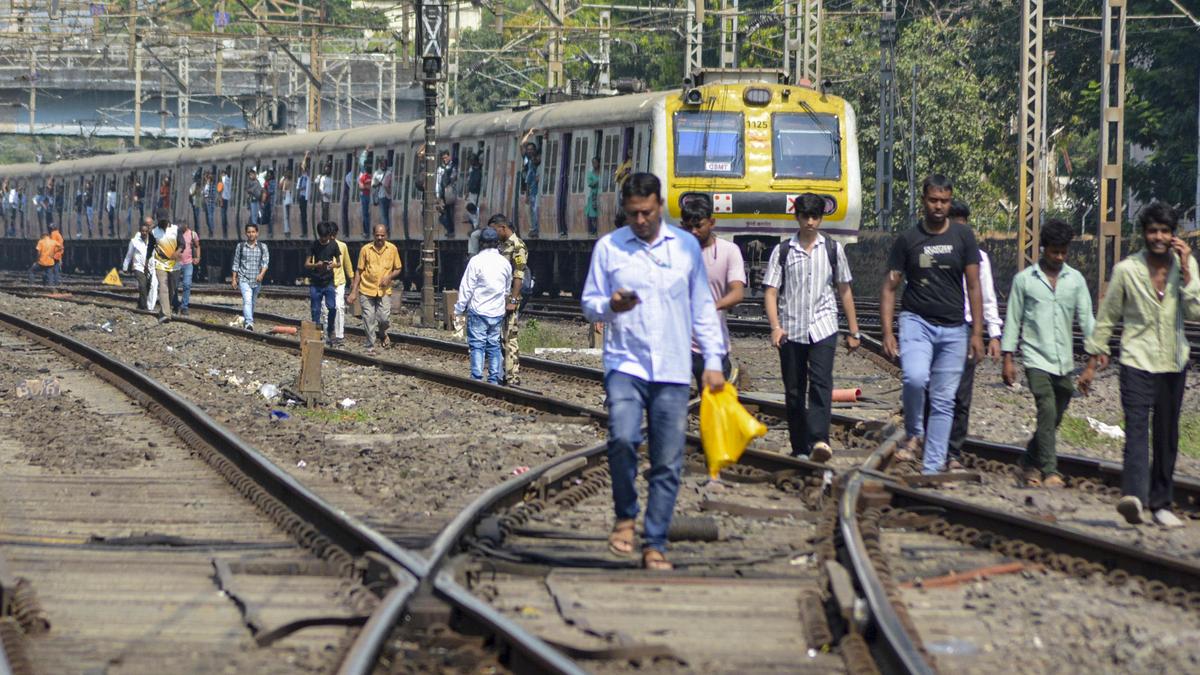
Major technical failures on Mumbai's Central Railway led to severe service delays and dangerous overcrowding. These disruptions resulted in the tragic deaths of three commuters, including a college student, who were struck while navigating tracks on foot.
The Fragility of Mumbai's Lifeline: A Tragic Case Study
On October 26, 2026, the vital artery of Mumbai’s transit system, the Central Railway (CR), experienced a catastrophic series of failures. A combination of overhead equipment (OHE) damage—triggered by a foreign object—and subsequent signaling equipment failure brought the bustling Thane/Kalyan-CSMT corridor to a near-total standstill. With trains delayed by up to 90 minutes and journeys stretching into four-hour ordeals, the resulting chaos transformed platforms into pressure cookers, ultimately forcing commuters to take desperate measures to reach their destinations.
The Anatomy of the Technical Collapse
The crisis began at approximately 9:23 am between Mulund and Thane. A foreign object struck the overhead equipment, causing an insulator on the down line to burst. This initial failure acted as a catalyst for a day of systemic paralysis. The subsequent fire that damaged signaling equipment further compounded the issue, leaving the railway infrastructure unable to manage the typical flow of suburban local trains. For a system that relies on precise, high-frequency intervals to move millions, such technical snags are not merely inconveniences; they are precursors to public safety crises.
Human Costs of Systemic Failure
The most harrowing outcome of this disruption was the loss of three lives. Sahil Navnath Thite, a 21-year-old final-year BCom student, was struck by a Kalyan-bound fast local train at Bhandup station while attempting to navigate the tracks to reach a slow train. In a separate incident, two brothers lost their lives between Ghatkopar and Vikhroli. These deaths underscore the extreme risks commuters face when they are left with no choice but to trespass on railway tracks during periods of severe service instability.
Accountability and Demands for Justice
In the aftermath, the family of Sahil Thite has formally demanded compensation from the railway authorities. Their struggle highlights a broader, recurring issue in Mumbai: the lack of adequate contingency management when services break down. When passengers are left stranded without clear communication or safe alternatives, they often resort to crossing tracks—an act that is technically prohibited but frequently practiced out of sheer necessity during peak-hour breakdowns.
Broader Implications for Mumbai’s Infrastructure
This incident serves as a grim reminder of the vulnerability of Mumbai's suburban rail network. While the system remains the most efficient way to traverse the city, it is operating at capacity, leaving little room for error. The reliance on aging infrastructure, combined with the extreme density of the commuter base, means that a single technical failure can ripple outward, creating a cascade of danger. As Mumbai continues to expand, the need for robust, redundant signaling and power systems is no longer a matter of convenience, but a critical imperative for public safety.
Future Trends and Safety Outlook
Moving forward, the Railway Police investigation into these deaths will likely focus on the communication protocols followed during the disruption. However, the systemic issue remains: how to prevent the 'track-crossing' culture that emerges during service failures. Future trends must prioritize real-time, transparent communication to prevent commuters from abandoning station platforms in favor of the tracks. Without structural investments in resilience, the specter of similar tragedies will continue to haunt the daily commute of millions in Mumbai.
Multiple Citing Sources
Verification Required?