Temperature Drops As Rain Hits Delhi, Weather Office Issues Yellow Alert
Source Entity
NDTV News Search Records Found 1000
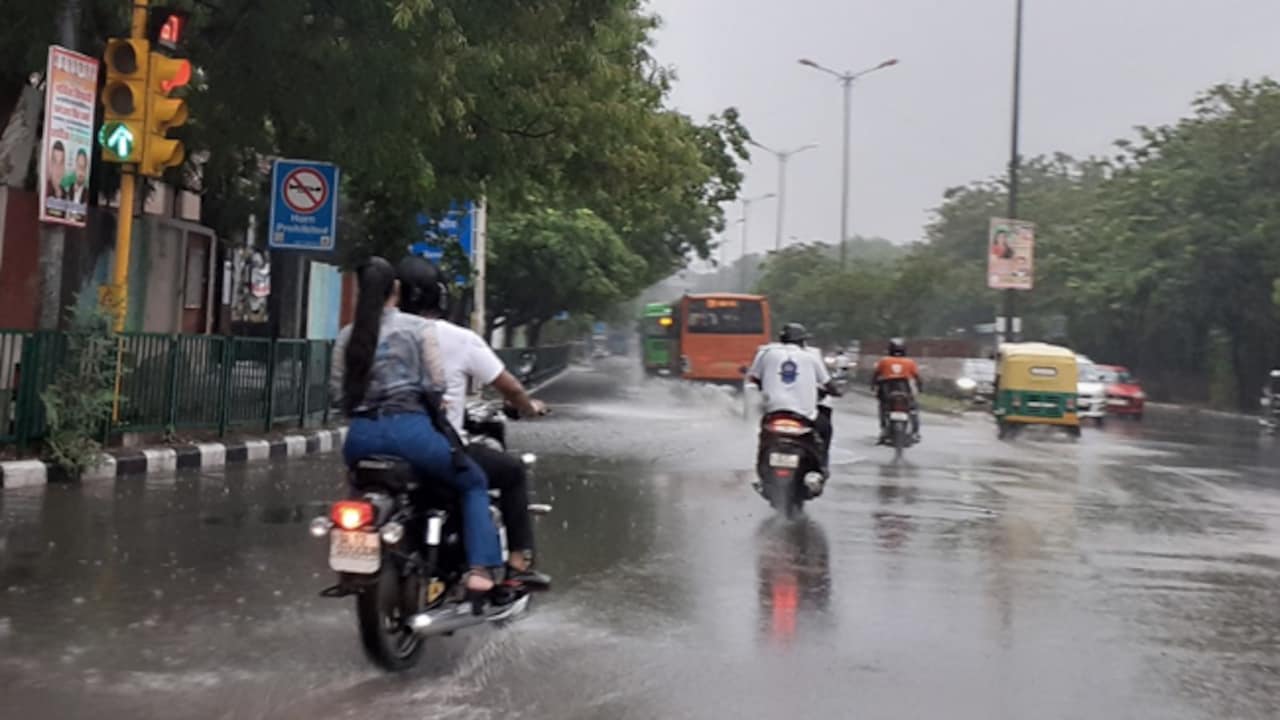
Delhi experienced a welcome drop in temperature following recent rainfall. The precipitation has significantly improved the city's air quality, which is now maintained at a satisfactory level.
Delhi Climate Shift: Rainfall and Air Quality Improvements
Recent meteorological developments in the national capital have brought a significant shift in weather patterns, marked by a noticeable drop in temperature following a spell of rainfall. The India Meteorological Department (IMD) responded to these changing conditions by issuing a 'yellow alert,' a precautionary measure designed to notify the public of potential disruptions and the need to stay updated with weather forecasts. This cooling trend serves as a relief for residents who have been contending with varying seasonal pressures, highlighting the volatility of the region's climate.
The Direct Impact of Precipitation
The arrival of rain has acted as a natural catalyst for environmental improvement. Beyond the immediate cooling effect on the thermometer, the precipitation has played a critical role in scrubbing the atmosphere. By settling particulate matter and suppressing dust, the rain has contributed to the current status of the air quality, which has been officially recorded as being in the 'satisfactory' category. This is a marked improvement from periods where high pollution levels have necessitated severe mitigation strategies.
Meteorological Volatility and Public Safety
The issuance of a yellow alert is a standard yet essential protocol in the IMD’s color-coded warning system. It suggests that while the weather conditions are not currently catastrophic, they possess the potential to worsen or cause localized inconvenience. By monitoring these shifts, the weather office ensures that city infrastructure and public services remain prepared for rapid changes. This proactive stance is vital in a sprawling urban environment like Delhi, where weather-related disruptions can rapidly impact traffic flow and daily economic activities.
Broader Environmental Implications
Maintaining air quality in the 'satisfactory' range is a significant benchmark for Delhi. The relationship between meteorological events—such as seasonal monsoon rains or western disturbances—and air quality is deeply interconnected. When precipitation is consistent, it often correlates with lower levels of PM2.5 and PM10 pollutants. This recent event underscores the importance of natural weather cycles in mitigating the urban heat island effect and improving public health outcomes through cleaner air.
Future Trends and Resilience
Looking forward, the reliance on such climatic events to manage air quality highlights a broader need for sustainable urban planning. While rain provides temporary relief, the city remains focused on long-term initiatives to keep air quality levels within safe parameters. As climate change continues to influence the predictability of rainfall patterns in the region, the capability of weather offices to provide accurate, real-time alerts remains the primary line of defense for the public. The current satisfactory air quality serves as a baseline for the city to maintain as it navigates the remainder of the season.
Verification Required?