Clean At Entry, Polluted At Exit: The Data Behind Delhi's Yamuna Debate
Source Entity
NDTV News Search Records Found 1000
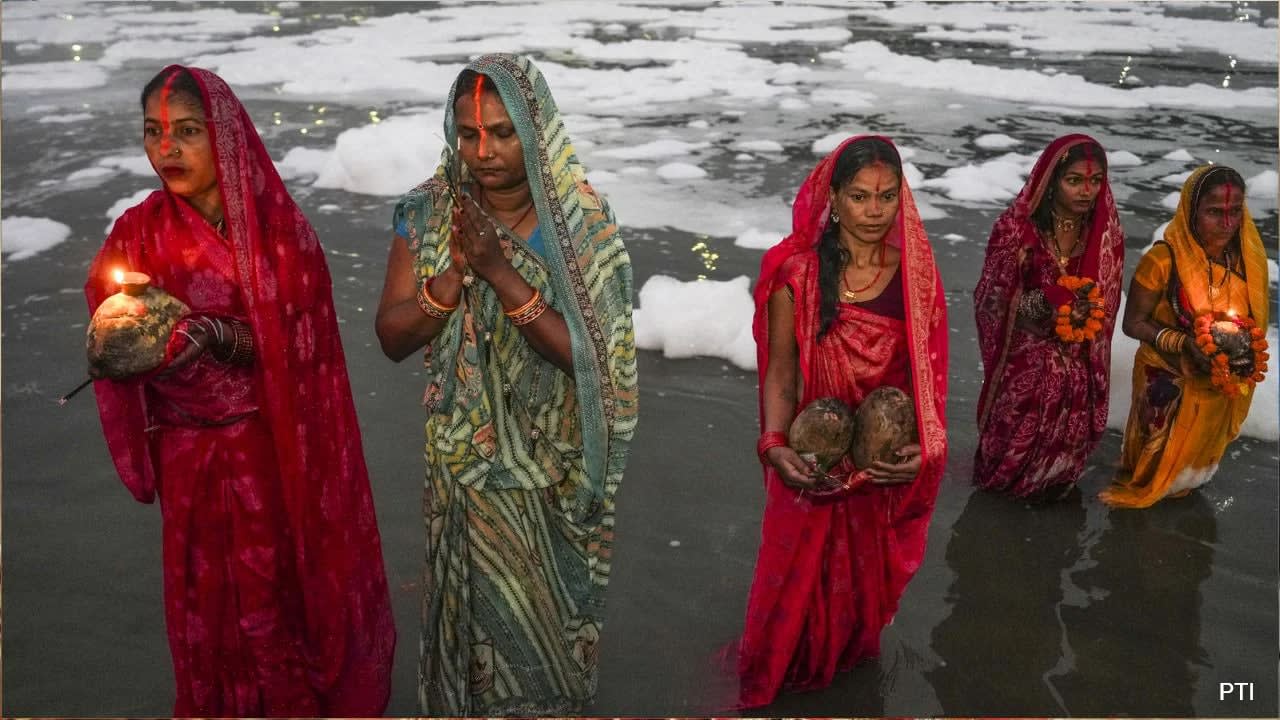
Political tensions in Delhi have escalated as AAP and BJP clash over the state of the Yamuna river during Chhath Puja. Devotees performed rituals amidst visible toxic foam, sparking a blame game between the parties regarding river pollution and governance failures.
The Yamuna Crisis: Political Fallout During Chhath Puja
A Visual Manifestation of Environmental Neglect
The recent celebration of Chhath Puja in Delhi has once again brought the precarious state of the Yamuna River into the national spotlight. As devotees gathered at the ghats, particularly at Kalindi Kunj, the sanctity of the ritual was starkly contrasted by the presence of thick, toxic foam floating on the water's surface. This visual evidence of severe pollution has transformed a religious observance into a flashpoint for political confrontation, highlighting the widening gap between urban development and environmental sustainability in the capital.
The Political Blame Game
The situation has ignited a fierce war of words between the Aam Aadmi Party (AAP) and the Bharatiya Janata Party (BJP). The AAP has launched a scathing critique of the BJP, alleging that claims regarding the river's purification are fraudulent. By highlighting the visible toxicity during the festival, the AAP aims to challenge the administration's efficacy. Conversely, the BJP has retaliated by shifting the focus toward the historical management of the river, critiquing the governance record of the previous AAP administration and defending its own initiatives to mitigate pollution.
Examining the 'Clean at Entry, Polluted at Exit' Paradox
The core of the debate lies in the stark dichotomy of the river's condition as it traverses the city. While authorities often point to data suggesting improvement at specific checkpoints, the reality at the ghats—where the public interacts with the water—tells a different story. The persistence of toxic foam suggests that industrial effluents and untreated sewage continue to contaminate the river, rendering official data points disconnected from the lived reality of Delhi's citizens.
The Intersection of Culture and Governance
Chhath Puja holds deep cultural and spiritual significance for the Purvanchali community in Delhi, making the condition of the Yamuna a sensitive issue. When political figures like Chief Minister Rekha Gupta participate in these rituals, they are not merely performing a religious duty but are also under intense public scrutiny. The juxtaposition of political leaders offering prayers at a polluted site serves as a poignant metaphor for the failure of successive administrations to address the capital's ecological crisis.
Future Implications and Policy Challenges
As the debate intensifies, the incident underscores the urgent need for a cohesive, non-partisan approach to river management. The 'Not AI, this is Yamuna' narrative adopted by critics highlights a growing public skepticism toward official claims and digital-age governance. Looking forward, the Yamuna will likely remain a central issue in Delhi's political discourse, forcing future administrations to move beyond rhetorical promises and implement tangible, long-term infrastructure projects to address the systemic causes of river pollution.
Multiple Citing Sources
Verification Required?