Trump blames Democrats for $3 trillion US stock market loss after 2026 midterms
Source Entity
Latest News: Todays Latest News Headlines from India & World | Hindustan Times
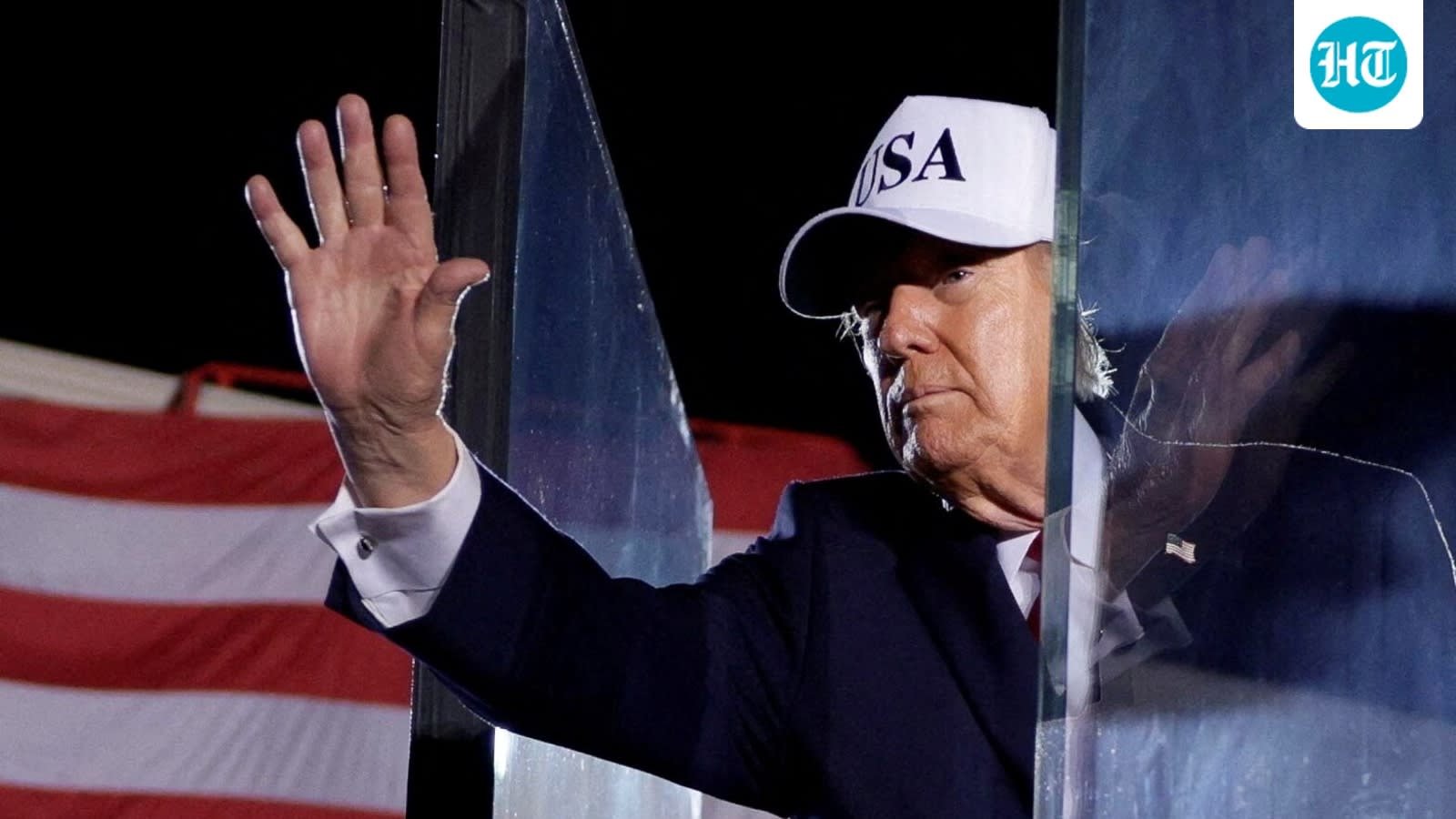
President Donald Trump attributed a $3 trillion decline in US stock market value to Democratic victories in the 2026 midterms. He claimed this reflected negative investor sentiment but noted a subsequent market recovery.
Analysis of Market Volatility Following 2026 Midterm Elections
The Claims of Financial Instability
Following the 2026 midterm elections, where Democrats secured control of both chambers of Congress, President Donald Trump publicly claimed that the US stock market suffered a loss of approximately $3 trillion in valuation. In a post shared on his Truth Social platform, the President posited that this immediate downturn was a direct reflection of investor anxiety regarding the shift in legislative power. By framing the market's reaction as a global disapproval of the election outcomes, the President sought to underscore the economic stakes inherent in the political transition.
Investor Sentiment and Market Mechanics
Financial markets are notoriously sensitive to political shifts, as investors often adjust portfolios based on expectations of future tax policies, regulatory environments, and fiscal spending. Trump’s assertion suggests that the Democratic victory triggered a specific 'risk-off' sentiment among institutional and retail investors. While market indices do fluctuate frequently, the scale of a $3 trillion loss—if realized—would represent a significant, albeit short-term, correction that highlights the volatility inherent in the intersection of American governance and global finance.
The Narrative of Recovery
Despite the initial critique regarding the market decline, President Trump’s statement included a message of optimism, noting that the markets have since recovered. This dual-pronged narrative serves to balance the criticism of his political opponents with a broader promise of national economic resilience. By emphasizing the recovery, the administration attempts to reassure the public and the investor class that the underlying strength of the American economy remains independent of, or resilient to, the specific outcomes of legislative elections.
Broader Implications for Economic Policy
The situation underscores the ongoing friction between the executive branch and a Democrat-led Congress. When the President links stock market performance directly to political results, he elevates market indices as a primary scorecard for political success. This tactic forces a debate on whether market fluctuations are truly indicative of legislative health or if they are merely noise in a complex global financial system. As the administration moves forward, the market’s performance will likely remain a central pillar of the political discourse.
Historical Context and Future Trends
Historically, markets have often experienced temporary instability following major political shifts as participants process new information regarding policy directions. However, the 2026 midterms have proven to be a unique case study in how social media platforms, such as Truth Social, now play a critical role in shaping the narrative around economic data. Moving forward, observers should monitor whether the market continues to stabilize or if the ideological divide in Congress leads to policy gridlock that may influence long-term investor confidence.
Concluding Assessment
Ultimately, the President’s comments serve as both an economic warning and a political rallying cry. By attributing the $3 trillion loss to Democratic victories, the administration aims to solidify its base's skepticism toward opposing economic agendas. Whether or not these market movements are strictly causative or coincidental, the incident reinforces the reality that financial markets and political outcomes are inextricably linked in the modern American consciousness.
Verification Required?