Amid political slugfest over ‘dead fish’ in Yamuna, Delhi Police file FIR
Source Entity
Sakshi Chand
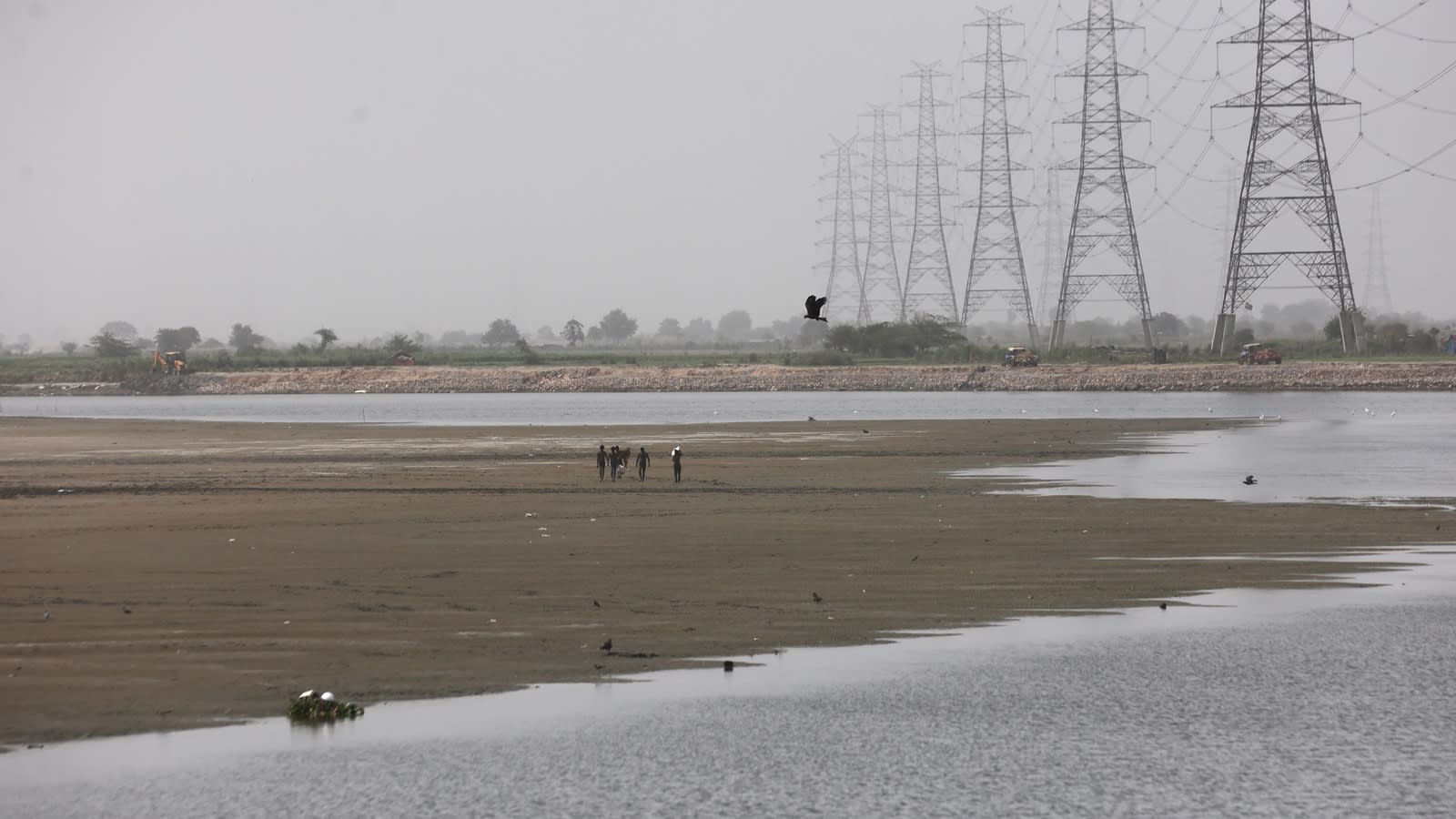
Delhi faces dual environmental crises as political tension rises over dead fish in the Yamuna and the Centre mandates strict, coordinated action to combat severe air pollution in the NCR. Officials have been tasked with direct accountability for enforcing anti-pollution measures across state boundaries.
Environmental Crisis and Political Friction in the Capital
The National Capital Region is currently grappling with a dual environmental emergency that has triggered both legal intervention and centralized administrative oversight. In Northeast Delhi, the discovery of dead fish in the Yamuna near Sonia Vihar has sparked a heated political confrontation between the BJP and the AAP. This incident has transcended mere environmental concern, evolving into a legal dispute as the Delhi Police have registered an FIR following a complaint from the Irrigation and Flood Control Department, invoking sections of the Bharatiya Nyaya Sanhita related to public mischief and false information.
The Yamuna Controversy: Legal and Political Dimensions
The FIR, filed at the Wazirabad police station, marks a significant escalation in the discourse surrounding the river's health. By targeting the dissemination of information regarding the fish deaths, authorities are attempting to manage the narrative amidst a volatile political climate. However, the root cause of the ecological distress remains unestablished, leaving the public caught between competing political claims and the objective necessity of environmental remediation. This incident highlights the fragility of the Yamuna's ecosystem and the ease with which ecological disasters become lightning rods for partisan blame.
Coordinated Governance for Air Quality
Simultaneously, the Union Ministry of Environment, Forest and Climate Change has moved to address the deteriorating air quality in Delhi-NCR, which recently neared the 'severe' category. Union Minister Bhupender Yadav has emphasized that air pollution operates independently of state boundaries, necessitating a shift from theoretical planning to rigorous, time-bound ground enforcement. The Centre’s decision to mandate secretary-level accountability for seven cities in Haryana and four in Uttar Pradesh represents a major shift toward top-down administrative pressure on regional bodies.
The Shift Toward Accountability
The strategy outlined by the Ministry involves real-time monitoring via Integrated Command and Control Centres (ICCCs) and direct reporting to the Commission for Air Quality Management (CAQM). By requesting that the CAQM issue notices to non-performing officers, the Centre is effectively signaling an end to the era of administrative complacency. This directive forces state-level officials to take ownership of field-level enforcement, effectively bridging the gap between policy formulation in Delhi and the actual implementation of anti-pollution curbs in satellite cities.
Future Trends and Implications
Looking ahead, the success of these measures depends entirely on the efficacy of inter-state cooperation. The history of pollution management in the NCR has often been marred by jurisdictional disputes; however, the current mandate for secretary-level oversight suggests a more aggressive regulatory posture. If successful, this model of direct accountability could redefine how India manages trans-boundary environmental issues. Conversely, if political friction continues to paralyze enforcement, the environmental degradation of the Yamuna and the NCR’s air quality may continue to serve as a catalyst for further social and political instability.
Multiple Citing Sources