Democrats’ midterm victory may not help US allies much
Source Entity
Latest News: Todays Latest News Headlines from India & World | Hindustan Times
The Democratic Party's significant midterm victory has sparked international debate regarding the future of US global leadership. Despite rhetoric of America's return, allies remain skeptical of long-term U.S. commitment and capacity.
The Illusion of Resurgence: American Foreign Policy Post-Midterms
Following the Democratic Party’s decisive victory in the midterm elections, which saw them reclaim both the House and Senate with significant margins, House Democratic Leader Hakeem Jeffries declared, “America is back.” This victory, bolstered by unexpected successes in states historically considered Republican strongholds like Kansas, South Carolina, and Texas, provides the current administration with a clear domestic mandate. However, for international observers and traditional U.S. allies, this domestic political success does not necessarily equate to a restoration of the pre-existing global order.
The Question of Global Leadership
The fundamental tension lies in the distinction between domestic electoral success and international geopolitical capacity. While the Democratic win offers a sense of stability, the core question remains: what exactly is the United States returning to? The prevailing sentiment among many global powers is that the U.S. currently lacks either the political will or the structural capacity to resume its historical role as the undisputed global hegemon. The era of unquestioned American dominance has been replaced by a more fragmented landscape, often described as a 'G-Zero' world, where no single nation or bloc exercises total control.
Economic Realignment and Strategic Hedging
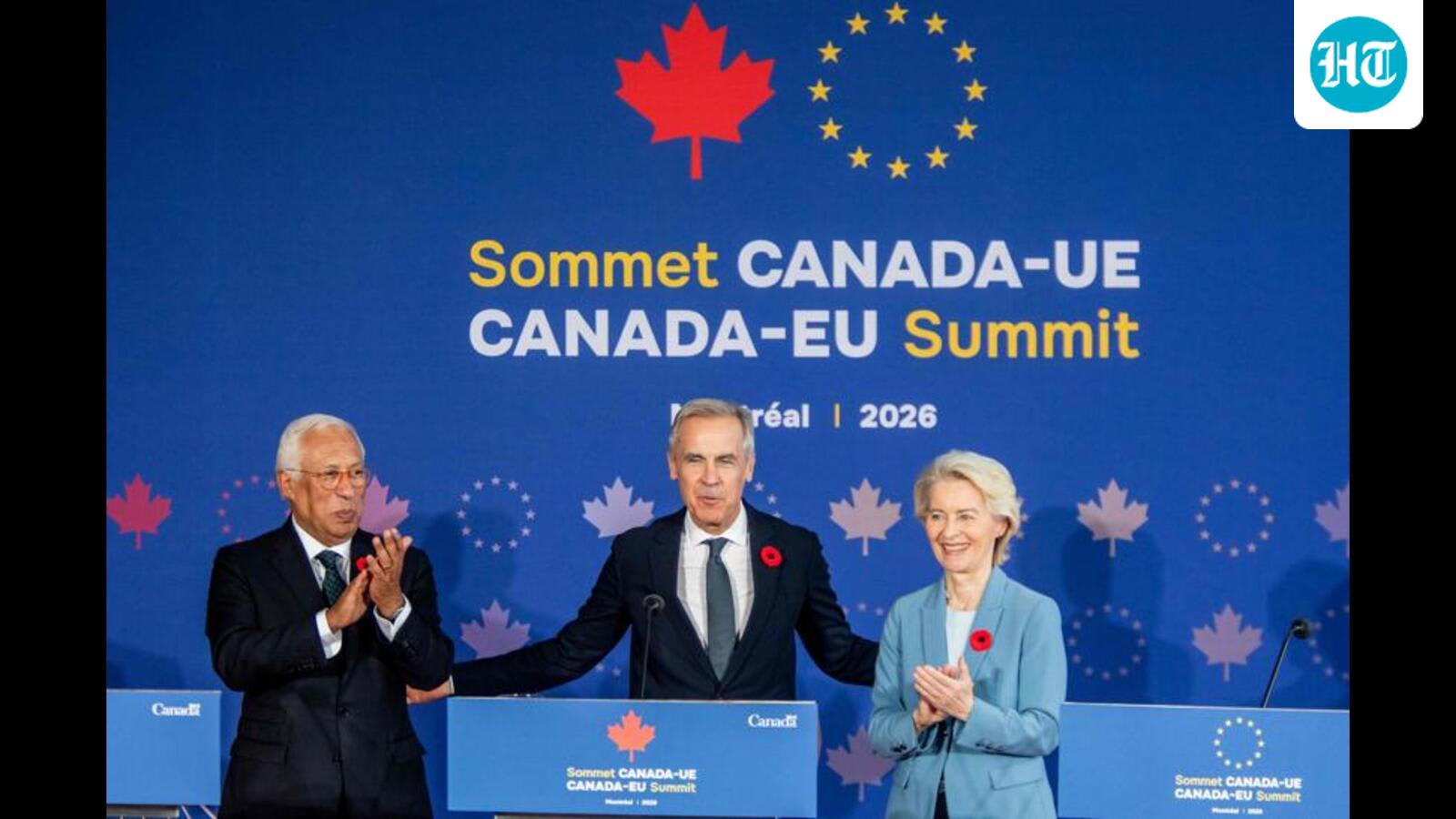
This skepticism has driven significant shifts in international economic policy. Faced with the volatility of American domestic politics—most notably the pressure exerted on trade partners during the Trump administration—many nations have shifted their strategies. Canada’s pivot toward strengthening its relationship with the European Union is a primary example of this trend. Allies are no longer relying solely on the U.S. as a primary economic anchor; instead, they are diversifying their partnerships to mitigate the risks of future American isolationism or policy reversals.
The 'G-Zero' Reality
The concept of a 'G-Zero' world suggests a transition away from the institutionalized cooperation of the G7 or G20 toward a global environment defined by competitive interests and the absence of a singular leader. The midterms may secure the domestic policy agenda for the Democrats, but they do not automatically reverse the structural decline of U.S. influence that has been building for years. International actors are increasingly aware that a domestic political victory for one party in Washington does not guarantee a return to a consistent, long-term foreign policy trajectory.
Future Implications for U.S. Alliances
Looking forward, the durability of American commitments remains the primary concern for foreign capitals. Even with a unified legislative front, the U.S. faces internal polarization that makes long-term international agreements difficult to sustain. For allies, the strategic imperative is now long-term security and economic diversification rather than reliance on a single superpower. The 'America is back' narrative may resonate in domestic political circles, but in the international arena, it is being met with a prudent wait-and-see approach as the world continues to adapt to a post-hegemonic reality.
Verification Required?