Desi Rice Mela begins in Mysuru, over 200 varieties on display
Source Entity
India Latest News: Top National Headlines Today & Breaking News | The Hindu
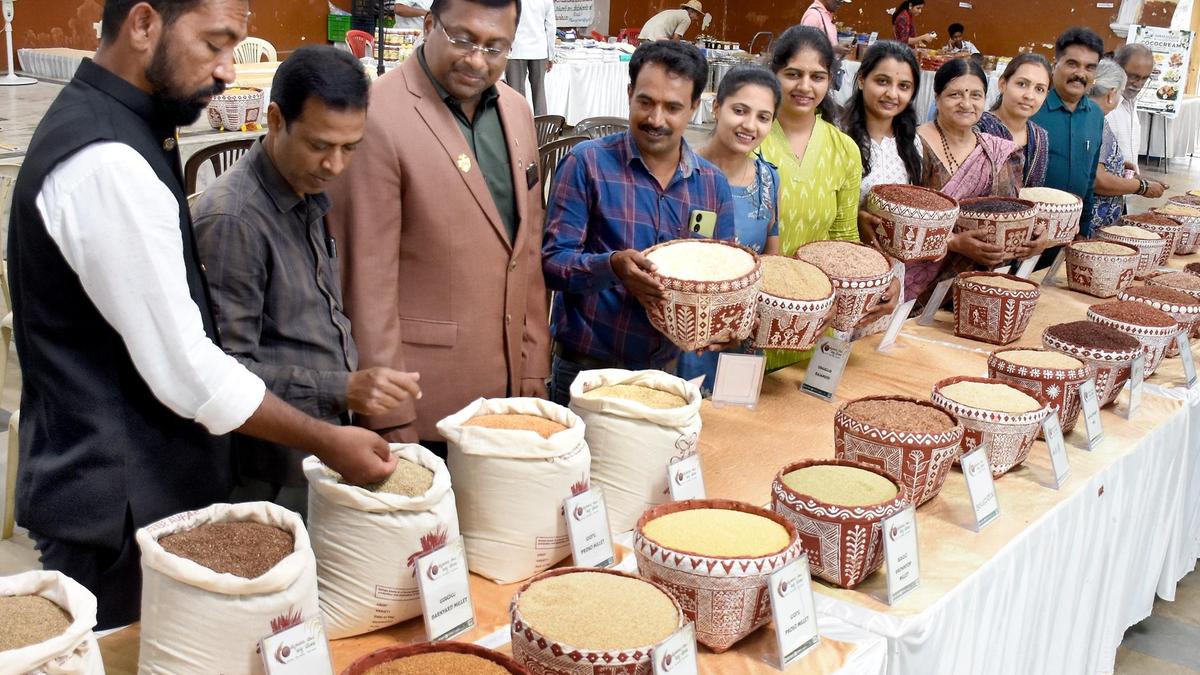
The two-day Desi Rice Mela in Mysuru is showcasing over 200 indigenous paddy varieties to promote nutritional awareness and organic farming. Organized by Sahaja Samrudha and partners, the event highlights rare grains like Navara and Ratnachoodi to expand market reach for local farmers.
Celebrating India's Agricultural Heritage: The Desi Rice Mela
The two-day Desi Rice Mela, currently hosted at the Nanjaraja Bahadur Choultry in Mysuru, represents a significant movement in the preservation of India’s agricultural biodiversity. By showcasing over 200 indigenous paddy varieties, the event serves as a vital platform for documenting and celebrating the rich spectrum of grains that have historically sustained local populations but have often been sidelined by modern, high-yield commercial monocultures.
Promoting Nutritional and Cultural Significance
At the heart of this exhibition is the drive to highlight the unique nutritional profiles of traditional rice. Varieties such as the medicinal Navara and Rakthasali, alongside nutrient-dense red and black rice, offer health benefits that are increasingly sought after by health-conscious consumers. Beyond nutrition, the Mela emphasizes the cultural importance of these grains, which are deeply intertwined with regional festivals, traditional diets, and culinary heritage, ensuring that these ancestral seeds remain part of the modern Indian identity.
Collaborative Efforts for Organic Sustainability
Organized by Sahaja Samrudha, Sahaja Seeds, and the Save Our Rice Campaign, the event is a testament to the power of grassroots organizations in promoting sustainable agriculture. These groups are working to bridge the gap between traditional farmers and the urban market. By facilitating the display and sale of these indigenous grains, the Mela provides organic paddy farmers with direct access to a broader consumer base, thereby incentivizing the continued cultivation of heirloom seeds.
A Showcase of Diverse Indigenous Varieties
The exhibition is a veritable library of genetic diversity. Notable varieties on display include the aromatic Gandhasale, the popular Rajamudi, and the fragrant Ambemohar, alongside others like Siddha Sanna, HMT, Kempu Sanna, and Burma Black. This collection demonstrates the vast adaptability of Indian paddy to different soil conditions and microclimates, proving that traditional farming methods can offer robust alternatives to chemical-intensive modern agriculture.
Future Trends and Market Opportunities
The inclusion of value-added products at the Mela indicates a strategic shift toward modernizing the traditional grain economy. By processing traditional rice into marketable goods, farmers can capture more value and appeal to a wider range of modern dietary preferences. As awareness grows, these events are likely to catalyze a sustained market demand for organic, indigenous rice, potentially shifting agricultural trends toward more resilient, biodiversity-friendly practices across Karnataka and beyond.
Conclusion
The Desi Rice Mela is more than a simple exhibition; it is a vital intervention in the conservation of India's biological and cultural heritage. By connecting the consumer directly with the farmer, the event fosters an ecosystem where indigenous rice varieties are not just preserved in seed banks but are actively integrated into the daily diet, ensuring their survival for future generations.
Verification Required?