Detox drinks cannot undo years of drinking, surgeon suggests best course of action for liver recovery
Source Entity
Latest News: Todays Latest News Headlines from India & World | Hindustan Times | Hindustan Times
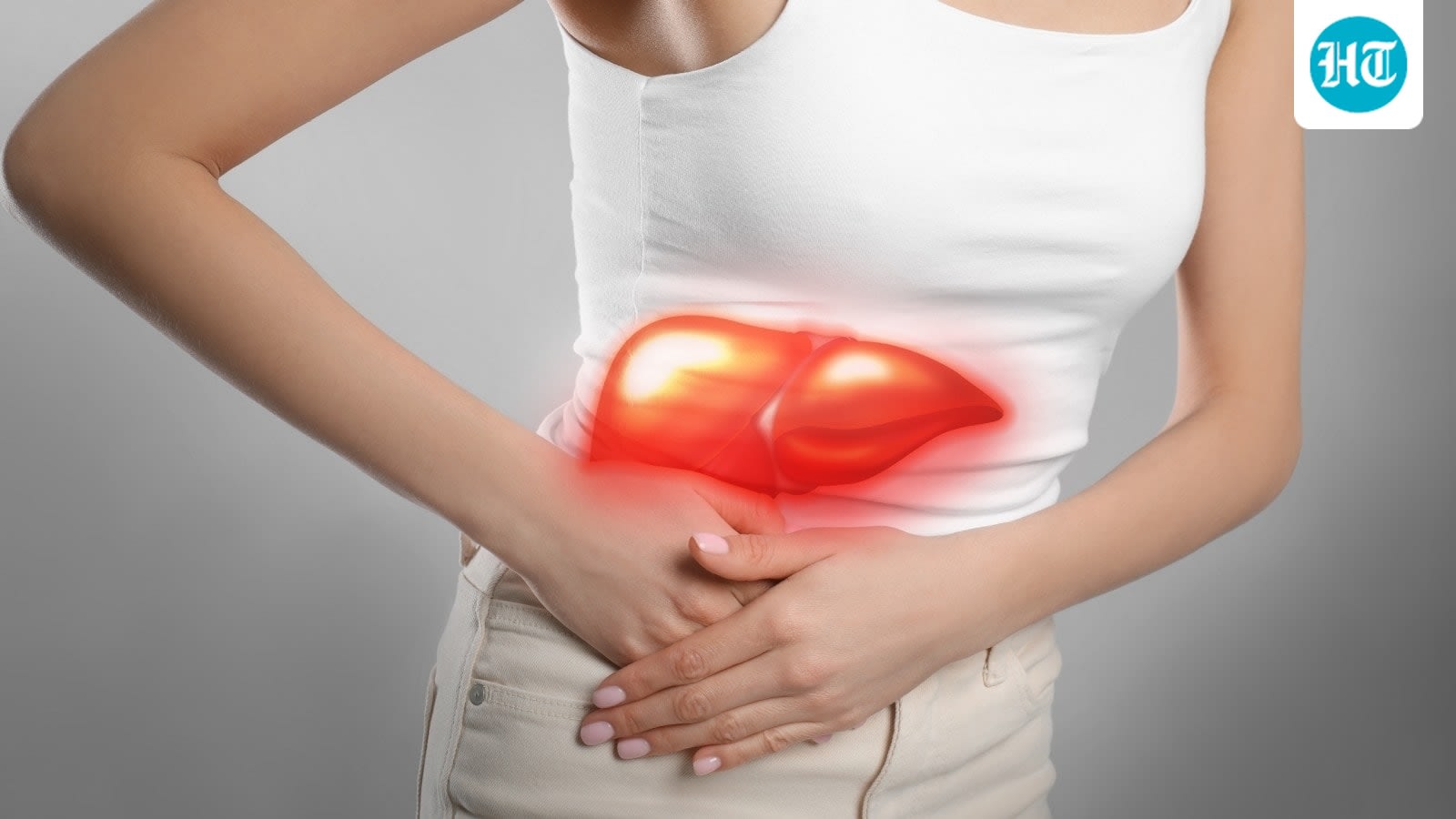
Medical experts warn that detox drinks cannot reverse long-term alcohol-related liver damage. The liver's recovery depends primarily on cessation of alcohol consumption rather than trendy cleanse products.
The Myth of the Liver Detox: Separating Fact from Fiction
In an era where wellness culture is dominated by 'detox' teas, juices, and restrictive cleanse diets, the scientific reality of organ recovery often gets sidelined. Recent expert commentary from Dr. Aditya Kandoriya, a consultant GI, HPB, and bariatric surgeon, serves as a crucial reality check: there is no shortcut to reversing liver damage caused by chronic alcohol consumption. While the liver is a remarkably resilient organ with regenerative capabilities, the idea that a specialized drink can 'flush' toxins or undo years of systemic damage is fundamentally unsupported by medical science.
Understanding Alcohol-Related Liver Damage
Alcohol consumption induces a spectrum of damage, beginning with the buildup of fat in liver cells, known as hepatic steatosis. If left unchecked, this progresses to inflammation and eventually fibrosis or scarring, which compromises the organ's ability to filter blood and regulate metabolism. The 'detox' industry often exploits the fear surrounding these conditions, promising rapid solutions that bypass the necessary lifestyle changes required for biological healing.
The Biological Reality of Recovery
According to clinical insights, the most effective—and often the only—way to initiate liver recovery is the absolute cessation of alcohol intake. Early-stage fatty liver disease has the potential to improve when the primary insult (alcohol) is removed, allowing the liver to undergo a healing process. However, this recovery is a physiological response to the absence of toxins, not an active result of consuming herbal or 'cleansing' beverages.
The Dangers of Misinformation
Marketing detox drinks as a cure for alcohol-related injury creates a dangerous false sense of security. Patients may continue harmful drinking habits under the impression that a daily 'cleanse' will mitigate the risk of severe complications, such as liver cancer or cirrhosis. This delay in seeking professional medical intervention can be catastrophic, as early detection and lifestyle modification are the only proven strategies to prevent the progression of end-stage liver disease.
Future Trends in Liver Health Awareness
As the medical community continues to combat health misinformation, the focus is shifting toward evidence-based hepatology. Future efforts must prioritize educating the public on the liver's natural capacity to function without the need for external 'detox' aids. Rather than relying on commercial products, individuals concerned about their liver health should focus on medically supervised detoxification protocols, balanced nutrition, and regular clinical monitoring to track the reversal of fatty liver indicators.
Conclusion
Ultimately, the narrative that one can 'undo' years of lifestyle choices through quick-fix diets is a dangerous oversimplification. The liver is a complex, high-performing organ that relies on metabolic stability, not transient dietary trends. By prioritizing the cessation of alcohol and consulting with specialized surgeons like Dr. Kandoriya, patients can leverage the liver's true regenerative potential effectively and safely.
Verification Required?