Detroit Needs Canada More Than the Rest of the U.S. Does
Source Entity
Latest News: Todays Latest News Headlines from India & World | Hindustan Times | Hindustan Times
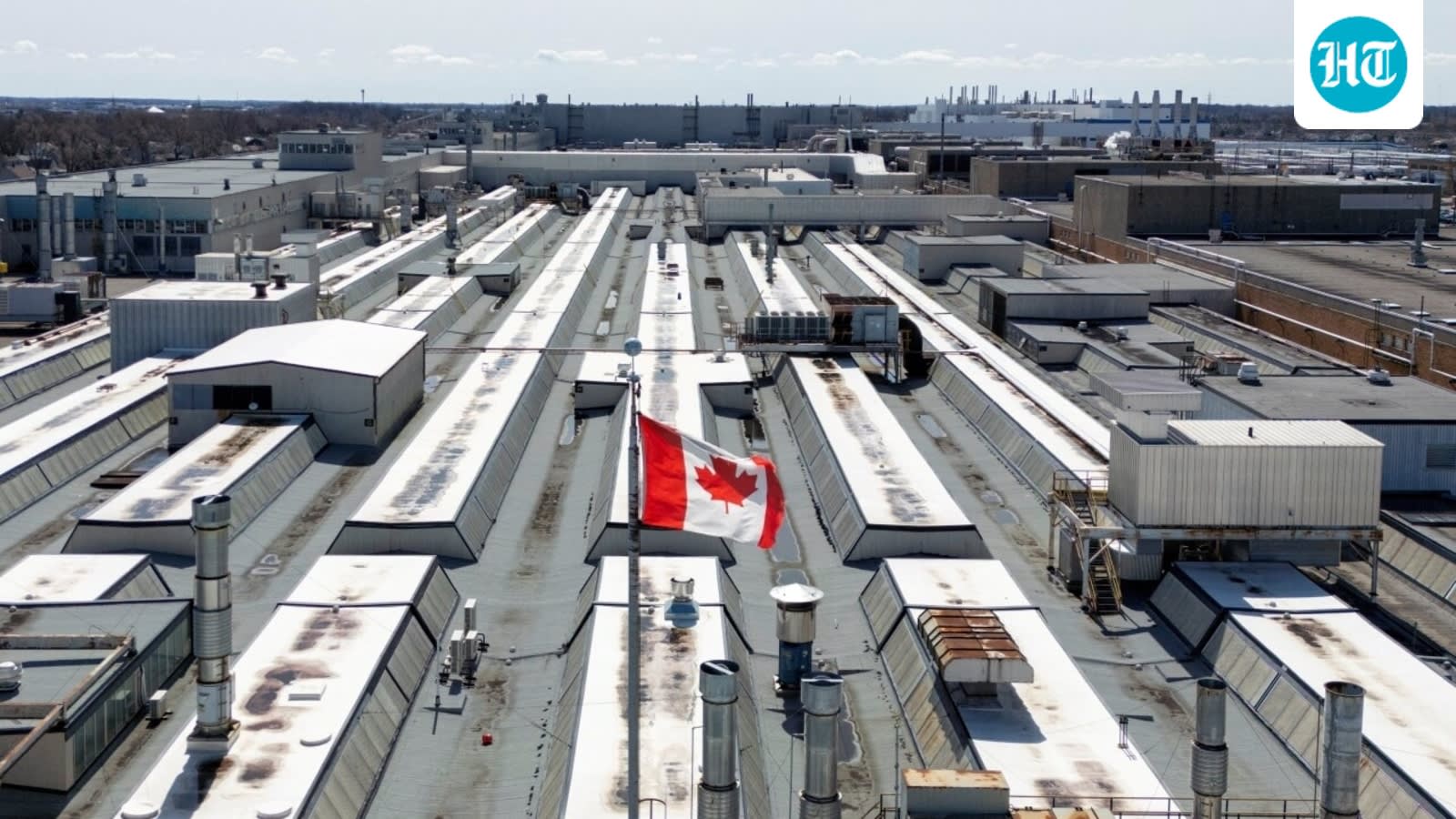
President Trump's threat to increase tariffs on Canadian auto imports to 50% faces significant pushback from the Detroit automotive industry. The move threatens supply chain stability, specifically impacting major manufacturers like Stellantis, while Canada has already initiated retaliatory measures.
The Detroit-Canada Automotive Crisis: A Strategic Overview
The Anatomy of the Tariff Threat
President Trump’s recent declaration of a potential 50% tariff on vehicles and auto parts imported from Canada marks a significant escalation in North American trade tensions. By proposing to double the existing 25% tariff, the administration is directly challenging the integrated supply chain that has defined the automotive sector for decades. This shift in policy creates immediate volatility for major manufacturers, most notably those headquartered in Detroit, who rely heavily on cross-border manufacturing efficiency.
Why Canada is Indispensable to Detroit
Contrary to the administration's rhetoric that the U.S. does not need Canada, the reality of automotive logistics suggests otherwise. The industry operates on a just-in-time production model where parts and finished vehicles cross the border multiple times before reaching the final consumer. A primary example is Stellantis, which assembles the popular Chrysler Pacifica minivan in Windsor, Ontario. Disrupting this flow introduces massive operational costs and threatens the profitability of flagship product lines that are vital to Detroit's economic health.
Retaliation and Economic Consequences
The trade war has reached a fever pitch, with Canada responding to the U.S. threats by imposing retaliatory tariffs on approximately $20 billion worth of U.S. imports. This tit-for-tat dynamic creates a hostile environment for businesses operating on both sides of the border. By escalating trade barriers, the administration risks not only higher prices for U.S. consumers but also the potential for long-term damage to the integrated North American market that has historically bolstered Detroit's competitive edge.
Strategic Challenges for Automakers
Automakers are currently forced into a defensive posture, evaluating strategies to mitigate the impact of these potential tariffs. These include potentially shifting assembly locations, renegotiating supply chain contracts, or absorbing the costs, which could lead to significant margin compression. The uncertainty surrounding these trade policies makes long-term capital investment in the region increasingly risky, as manufacturers cannot guarantee the cost-structure of their future production cycles.
Future Trends and Market Outlook
Looking forward, the persistence of these trade tensions suggests a period of prolonged instability for the automotive sector. If the 50% tariff threat is realized, it could lead to a fundamental restructuring of how Detroit-based companies manage their North American assets. The reliance of the U.S. automotive industry on Canadian manufacturing is not merely a preference but a structural necessity; therefore, any policy that ignores this interdependence will likely result in significant economic blowback for the very domestic industries the tariffs were intended to protect.
Multiple Citing Sources
Verification Required?