Stock Market Settlement Holiday For Eid-e-Milad: Can You Trade On BSE, NSE Today?
Source Entity
NDTV News Search Records Found 1000
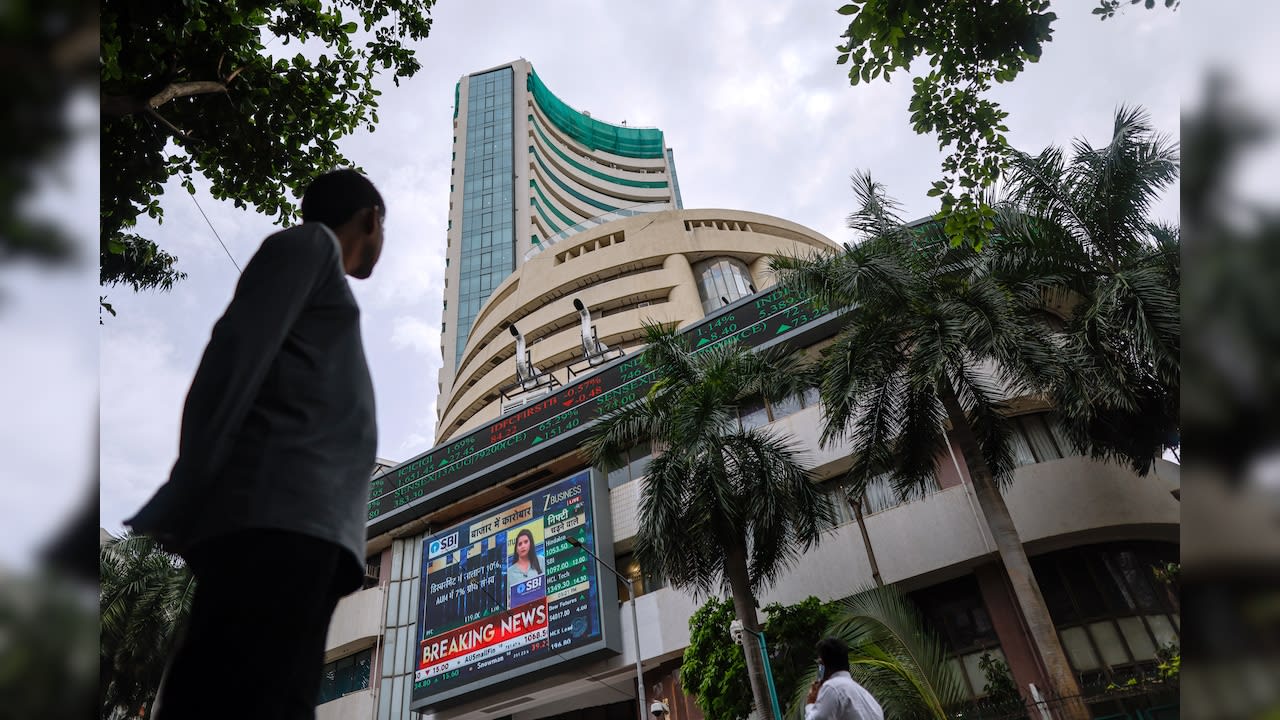
The Indian stock exchanges, BSE and NSE, will remain open for regular equity trading on Eid-e-Milad, August 26. While trading continues, the date is designated as a settlement holiday, meaning the clearing of funds and securities will be delayed by one day.
Understanding the August 26 Stock Market Status
As the nation observes Eid-e-Milad, investors and market participants have sought clarity regarding the operational status of the Bombay Stock Exchange (BSE) and the National Stock Exchange (NSE). Contrary to the holiday observed by many government institutions and banks, the Indian equity markets will maintain their regular trading hours on August 26. This decision reflects the market's internal calendar, which operates independently of broader public holidays to ensure consistent liquidity and price discovery.
The Mechanics of a Settlement Holiday
While the exchanges are open for buying and selling, August 26 has been officially designated as a 'settlement holiday.' In the Indian stock market context, a settlement holiday occurs when trading platforms remain operational, but the clearinghouses—responsible for the final transfer of funds and ownership of securities—suspend their processing activities. Consequently, any trades executed on this day will experience a one-day delay in the standard T+1 settlement cycle.
Impact on Investor Portfolios
For active traders and long-term investors, this distinction is crucial. The provided data clarifies that shares purchased on August 25 and August 26 will be eligible for sale on August 27. This schedule accounts for the pause in the clearing process, ensuring that investors are not caught off guard by a lack of immediate credit for sold securities or the delayed delivery of purchased shares into their demat accounts.
Segment-Specific Operational Differences
It is important to note that the operational status varies across different market segments. While equity markets proceed as usual, the currency derivatives markets will remain closed for the day. Conversely, commodity markets are expected to function regularly. This bifurcated approach highlights the complexity of market infrastructure, where different asset classes adhere to distinct regulatory and operational guidelines regarding holiday closures.
Broader Market Context and Trends
Given that the stock market has experienced significant volatility throughout the current week, the decision to keep the equity markets open serves to mitigate potential gaps in price movement. By maintaining regular trading, the exchanges ensure that market participants can react to global cues and domestic news without being hampered by a multi-day closure. This approach supports market stability and provides investors with the continuity required for risk management in a fluctuating economic environment.
Summary of Operational Expectations
In conclusion, while August 26 is a significant day of observance, it is not a trading holiday for the Indian equity markets. Investors should expect standard trading operations but prepare for the logistical realities of a settlement holiday. By understanding these nuances, market participants can better manage their portfolios and avoid confusion regarding the timing of funds and security settlements.
Verification Required?