Devotee dies of ‘suffocation’ in Puri amid massive rush for Lord Jagannath return procession
Source Entity
Sujit Bisoyi
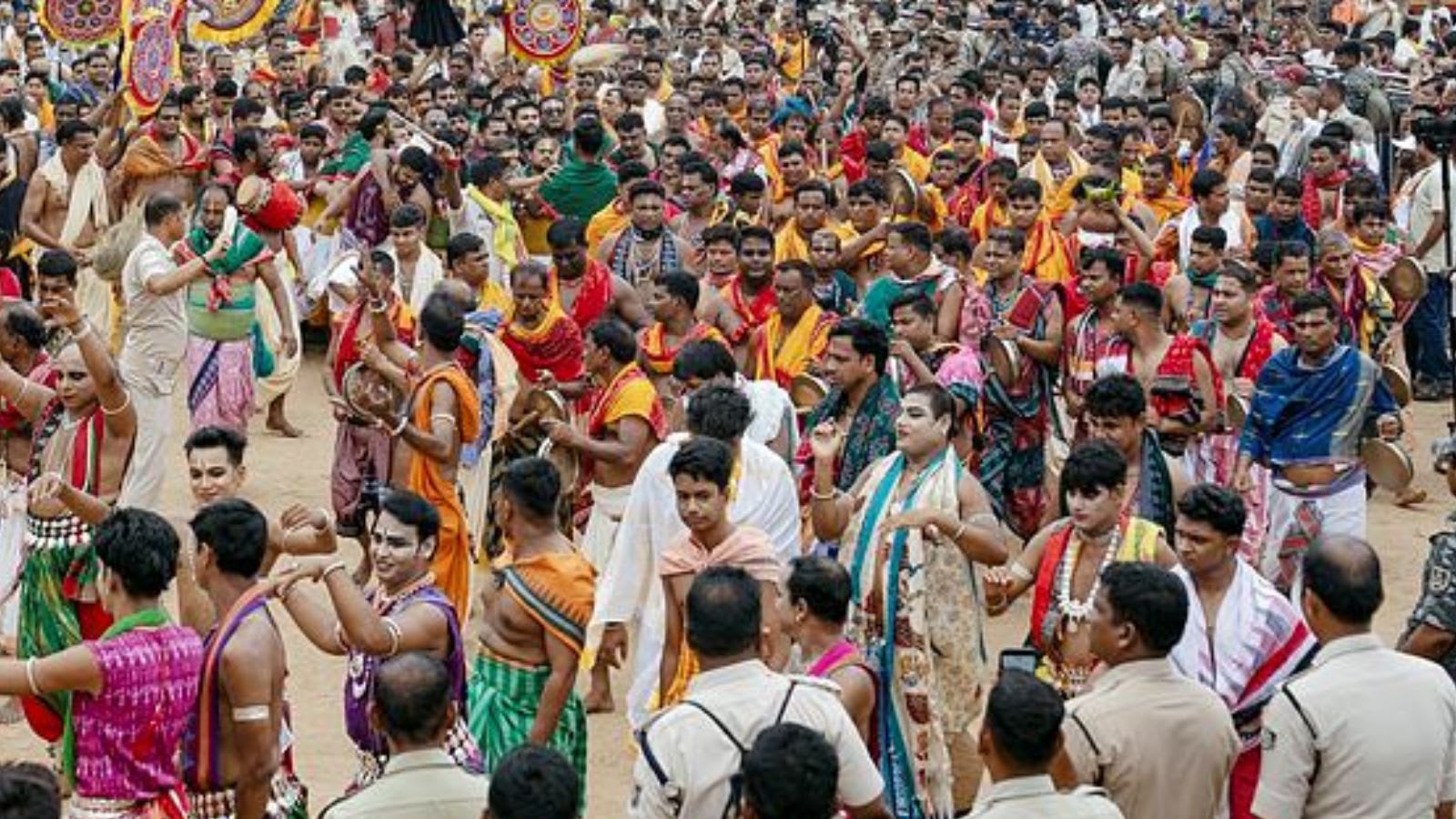
A 57-year-old devotee from Cuttack died of suffocation during the Bahuda Yatra in Puri. The incident occurred amidst a massive crowd, with officials citing high blood pressure as a contributing factor.
Tragedy Strikes During Puri's Bahuda Yatra
The annual Bahuda Yatra, marking the return chariot procession of Lord Jagannath in Puri, witnessed a tragic incident this Friday when a 57-year-old devotee from Cuttack passed away due to suffocation. The event, which draws millions of pilgrims annually, created a massive surge of people, leading to an environment of extreme density where the victim collapsed while actively participating in the pulling of the sacred chariot.
Medical Context and Emergency Response
According to reports from health department officials, the devotee collapsed amidst the surging crowd. The emergency response was swift; the individual was immediately transported to a nearby health centre and subsequently transferred to the Puri district headquarters hospital. Despite these efforts, medical professionals declared him dead upon arrival. Preliminary reports from health officials suggest that the victim suffered from high blood pressure, a condition that likely exacerbated the physical toll of the intense environmental conditions and the physical exertion required during the procession.
Crowd Dynamics and Safety Challenges
Mass gatherings like the Bahuda Yatra present unique logistical and safety challenges. The sheer volume of participants, combined with the humid climate and the physical effort involved in pulling massive chariots, creates a high-pressure environment. The incident highlights the inherent risks of managing crowds in confined spaces, where sudden surges or prolonged exposure to heat and physical stress can have fatal consequences for individuals with pre-existing health vulnerabilities.
Procedural Protocols and Official Oversight
In the wake of the tragedy, local authorities have initiated standard protocols. The deceased's body is scheduled to be handed over to family members following the completion of a mandatory post-mortem examination. Senior officials are actively monitoring the situation to ensure that the remainder of the festival proceedings continue with necessary safety considerations, demonstrating the administration's focus on balancing religious traditions with public welfare.
Broader Implications for Pilgrimage Management
This unfortunate event serves as a somber reminder of the complexities involved in managing large-scale religious festivals in India. As thousands flock to Puri to participate in the rituals, the intersection of public health and crowd control becomes critical. Future trends in festival management will likely emphasize more robust pre-screening awareness for elderly participants and enhanced medical deployment along the chariot route to mitigate the risks associated with cardiovascular strain in high-density environments.
Conclusion
The death of the 57-year-old devotee during the Bahuda Yatra is a profound loss for his family and a point of reflection for event organizers. While the festival remains a cornerstone of cultural and religious life in Odisha, the incident underscores the necessity of prioritizing health preparedness and safety infrastructure to protect the millions of devotees who congregate to witness these historic processions annually.