‘I have no ties to my family’: Dhirender Shastri after brother booked in firing case
Source Entity
Anand Mohan J
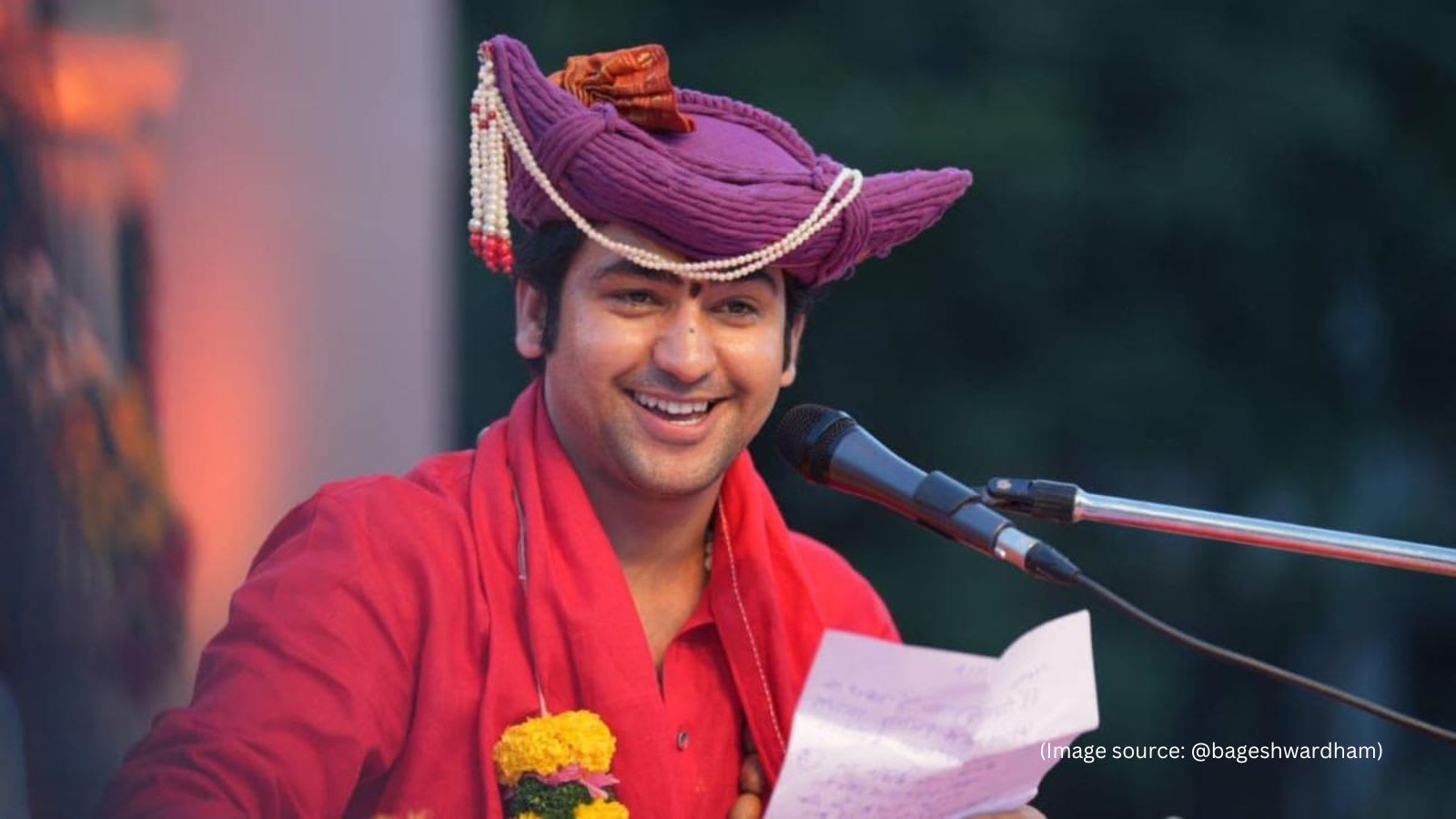
Bageshwar Dham chief priest Dhirender Shastri has publicly distanced himself from his younger brother, Shaligram Garg, following Garg's booking in a firing and assault case in Chhatarpur, Madhya Pradesh.
Public Dissociation Amidst Legal Turmoil: The Case of Dhirender Shastri
In a surprising turn of events, Dhirender Shastri, the widely recognized chief priest of Bageshwar Dham, has issued a stern public statement distancing himself from his immediate family. This declaration comes in the wake of a criminal case registered against his younger brother, Shaligram Garg, in the Chhatarpur district of Madhya Pradesh. The charges against Garg are severe, involving allegations of firing and assault, which have brought significant negative attention to the family name.
The Catalyst: Criminal Allegations in Chhatarpur
The core of the controversy lies in the legal proceedings initiated against Shaligram Garg. According to reports, Garg has been booked for a violent encounter involving a firearm and physical assault. In the legal landscape of Madhya Pradesh, such charges are treated with high priority due to the potential for public disorder and the gravity of weapon-related crimes. The incident has not only created a legal crisis for Garg but has also cast a shadow over the social standing of his relatives, specifically his brother, who holds a position of immense spiritual influence.
Strategic Distancing and Image Management
Dhirender Shastri's response—stating that he has "no ties to my family"—is a textbook example of rapid damage control. As the head of Bageshwar Dham, Shastri is not merely a family member but a public figure with millions of followers who view him as a moral and spiritual guide. Any association with violent crime or lawlessness could potentially alienate his devotee base and undermine the perceived sanctity of his spiritual office. By explicitly severing ties, Shastri attempts to create a firewall between his professional spiritual persona and the personal misconduct of his sibling.
The Broader Implications of Public Dissociation
This event highlights a recurring theme in the intersection of faith and fame in India, where the private actions of a leader's family can either bolster or break their public image. The act of disowning a family member in the face of criminal charges is often used as a tool to signal a commitment to law and order, thereby protecting the institution (in this case, Bageshwar Dham) from being tarnished by individual failures. It reflects the immense pressure placed on spiritual leaders to maintain an image of purity and detachment from worldly vices.
Potential Future Trajectories
Moving forward, the trajectory of this situation will likely split into two paths: the legal battle for Shaligram Garg and the public relations management for Dhirender Shastri. While the legal system in Chhatarpur processes the firing and assault case, Shastri will likely continue to emphasize his detachment from familial ties to ensure that the controversy does not bleed into his religious gatherings or public discourse. The outcome of the trial will be crucial; a conviction would further justify Shastri's dissociation, while an acquittal might lead to a complex social reconciliation.
Summary
The situation involving Dhirender Shastri and his brother, Shaligram Garg, underscores the volatility of public reputation. By declaring a total lack of ties to his family following a violent crime in Madhya Pradesh, Shastri has prioritized the integrity of his spiritual brand over familial bonds, reflecting the high stakes of leadership in the public eye.