Spiritual leader Dhirendra Shastri's brother, 3 others booked for assault over land dispute
Source Entity
Latest News: Today's Latest News Headlines from India & World | Hindustan Times | Hindustan Times
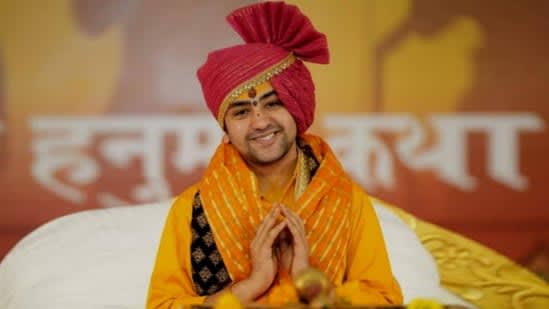
Dhirendra Shastri, the head of Bageshwar Dham, has stated that his brother should face legal consequences if found guilty of assault in a land dispute involving three other individuals.
Legal Conflict Surrounding Bageshwar Dham's Leadership
In a development that intersects religious influence with secular legalities, the brother of Dhirendra Shastri, the prominent spiritual leader and head of the Bageshwar Dham religious center, has been booked alongside three others for alleged assault. The incident reportedly stems from a land dispute, a common yet volatile point of contention in many regions of India. This event puts a spotlight on the personal lives of those associated with high-profile spiritual institutions and how they navigate the complexities of the Indian judicial system when faced with criminal allegations.
The Dynamics of Land Disputes and Assault
Land disputes in India are frequently characterized by deep-seated familial or community tensions, often escalating into physical altercations when mediation fails. In this specific instance, the booking of Shastri's brother suggests that the dispute reached a critical point where legal intervention became necessary. The charge of 'assault' indicates a physical confrontation, which typically leads to the filing of a First Information Report (FIR). Such cases often involve not just the primary disputants but also associates or family members, explaining why three other individuals were booked alongside the brother.
Analysis of Dhirendra Shastri's Public Stance
One of the most critical aspects of this event is the public reaction of Dhirendra Shastri himself. By stating that his brother should be punished according to the law if found guilty, Shastri is attempting to distance his spiritual brand from the personal legal troubles of his family. For a leader who commands a massive following based on claims of divine guidance and righteousness, any perception of nepotism or the shielding of criminals could severely damage his credibility. This stance serves as a strategic alignment with the 'rule of law,' positioning him as a figure of integrity who prioritizes justice over familial ties.
The Institutional Impact on Bageshwar Dham
Bageshwar Dham is not merely a religious center but a significant socio-cultural entity with immense influence over millions of devotees. The actions of the leader's immediate family are often viewed as a reflection of the institution's values. When the brother of the head is embroiled in a violent land dispute, it creates a narrative tension between the peaceful, spiritual image of the Dham and the gritty reality of local property conflicts. The resolution of this case will likely be monitored closely by followers to see if the spiritual leadership's commitment to legal accountability is upheld in practice.
Legal Trajectory and Potential Outcomes
From a legal perspective, the case will now move through the standard investigative phase, where police will gather evidence and witness statements to determine the veracity of the assault charges. Depending on the severity of the injuries and the evidence provided, the case could either move toward a trial or a court-sanctioned settlement. Given the high profile of the individuals involved, there will be significant public and media scrutiny on whether the legal process is followed transparently or if the influence of the Bageshwar Dham institution plays a role in the proceedings.
Broader Implications for Spiritual Figures in India
This event highlights a recurring theme in contemporary India: the intersection of spiritual authority and civic duty. As spiritual leaders accumulate significant social and financial power, their families often become targets of litigation or find themselves in conflicts over assets and land. The demand for these figures to adhere to secular laws, despite their perceived spiritual status, is a growing trend. This case reinforces the idea that religious stature does not grant immunity from the legal consequences of physical violence or property disputes.
Conclusion
The assault case involving Dhirendra Shastri's brother serves as a reminder of the volatility of land ownership disputes and the challenges of maintaining a public image of piety amidst personal legal turmoil. While Shastri's support for the law is a positive step toward transparency, the actual outcome of the judicial process will be the true measure of accountability. This incident underscores the ongoing struggle to balance traditional spiritual influence with the requirements of a modern democratic legal system.
Verification Required?