Towards transparent welfare spending, with digital rupee
Source Entity
Latest News: Todays Latest News Headlines from India & World | Hindustan Times | Hindustan Times
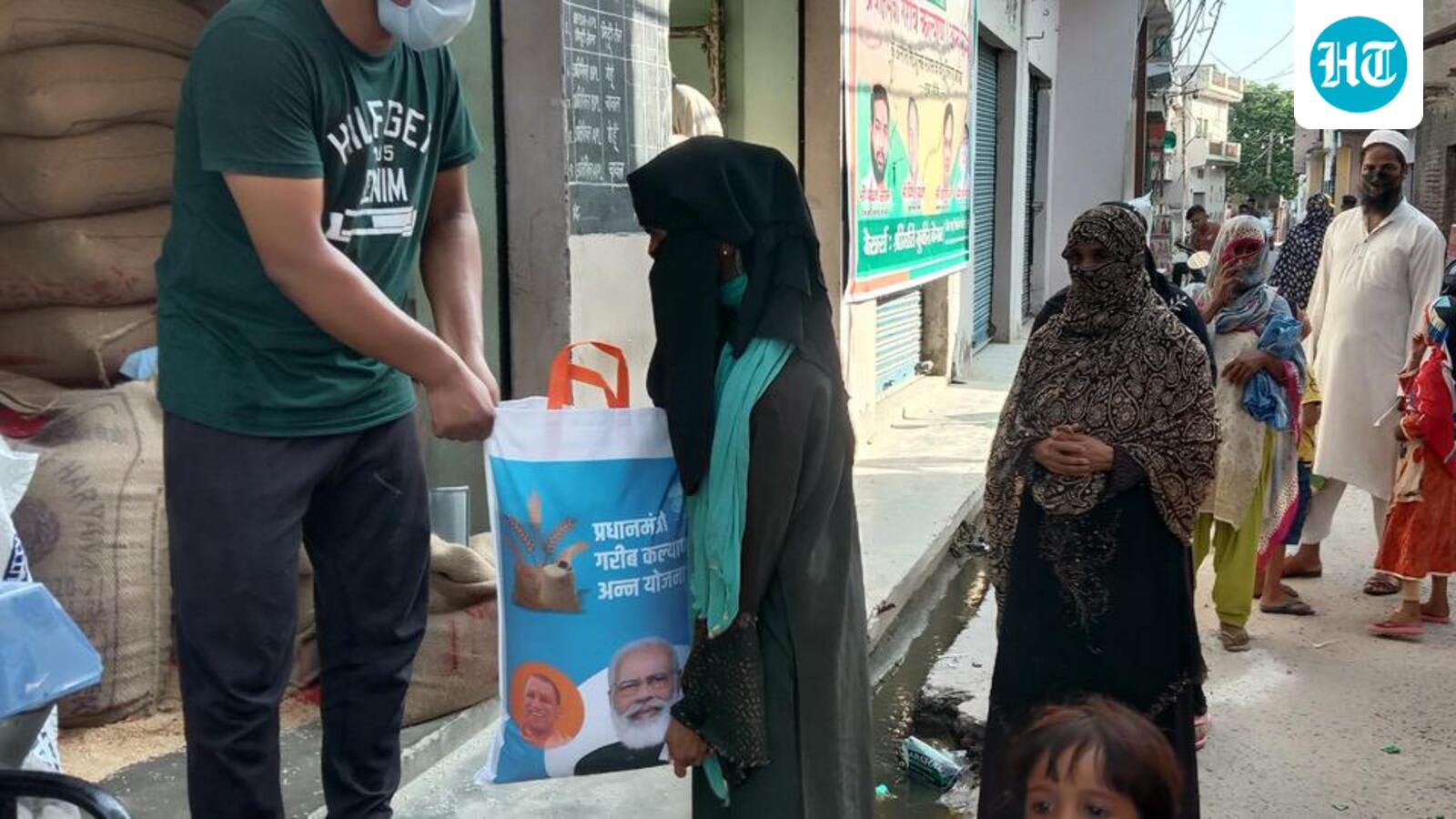
The integration of Central Bank Digital Currency (CBDC) into welfare systems promises to enhance transparency in Direct Benefit Transfers (DBT). By providing programmable digital tokens, the government can track food grain subsidies more effectively than traditional cash transfers.
The Evolution of Welfare Delivery in India
The landscape of Indian social welfare has undergone a monumental shift with the implementation of the Pradhan Mantri Garib Kalyan Anna Yojana (PMGKAY). Serving over 800 million beneficiaries, this initiative stands as the largest food security program globally. Traditionally, the government relied on the Fair Price Shop (FPS) network to distribute physical grains, a system that, while expansive, often faced logistical hurdles and transparency concerns. The introduction of the 'One Nation One Ration Card' was a critical turning point, effectively removing the geography of entitlement and allowing beneficiaries to access their rights regardless of their location.
The Shift Toward Direct Benefit Transfers
To further streamline the process, certain regions like Chandigarh, Puducherry, and pockets of Dadra & Nagar Haveli experimented with cash-based entitlements in 2015-16. Instead of physical grains, the equivalent monetary value was credited directly into bank accounts. While this Direct Benefit Transfer (DBT) model improved convenience, it introduced a significant challenge: once the cash leaves the government's books, it becomes anonymous. The lack of traceability meant that the government could not monitor how these funds were utilized or if they were strictly fulfilling the intended purpose of food security.
CBDC as a Tool for Financial Transparency
Central Bank Digital Currency (CBDC) offers a sophisticated solution to this 'opacity' problem. Unlike traditional fiat currency, CBDC tokens are programmable and traceable. By utilizing CBDC for welfare delivery, the government can ensure that the financial support provided is exclusively used for its intended purpose. This technological leap allows the state to maintain oversight over the subsidy lifecycle, ensuring that the funds credited to beneficiaries are directly aligned with their household’s monthly entitlement of food grains.
Empowering the Beneficiary
The implementation of CBDC does more than just aid the government; it empowers the household. Beneficiaries gain visibility into their specific entitlements and the actual subsidy amount borne by the Centre. This transparency fosters a sense of accountability and trust within the welfare system. By digitizing the entitlement, the system shifts from a vague cash credit to a concrete, identifiable digital asset that serves as a direct proxy for the food security support promised by the state.
Future Trends and Strategic Implications
The transition toward digital currency in welfare spending represents a broader trend in India's digital public infrastructure. As the country continues to refine its DBT framework, the integration of CBDC is likely to become a cornerstone of fiscal management. Moving forward, this will likely reduce leakage, minimize intermediaries, and create a highly responsive welfare ecosystem. If successfully scaled, the use of CBDC will serve as a global model for how digital assets can be leveraged to secure social safety nets while maintaining the highest standards of financial integrity and transparency.
Verification Required?