‘When the India show starts, problems start’: Diljit says news channels create ‘negative energy’
Source Entity
The Indian Express
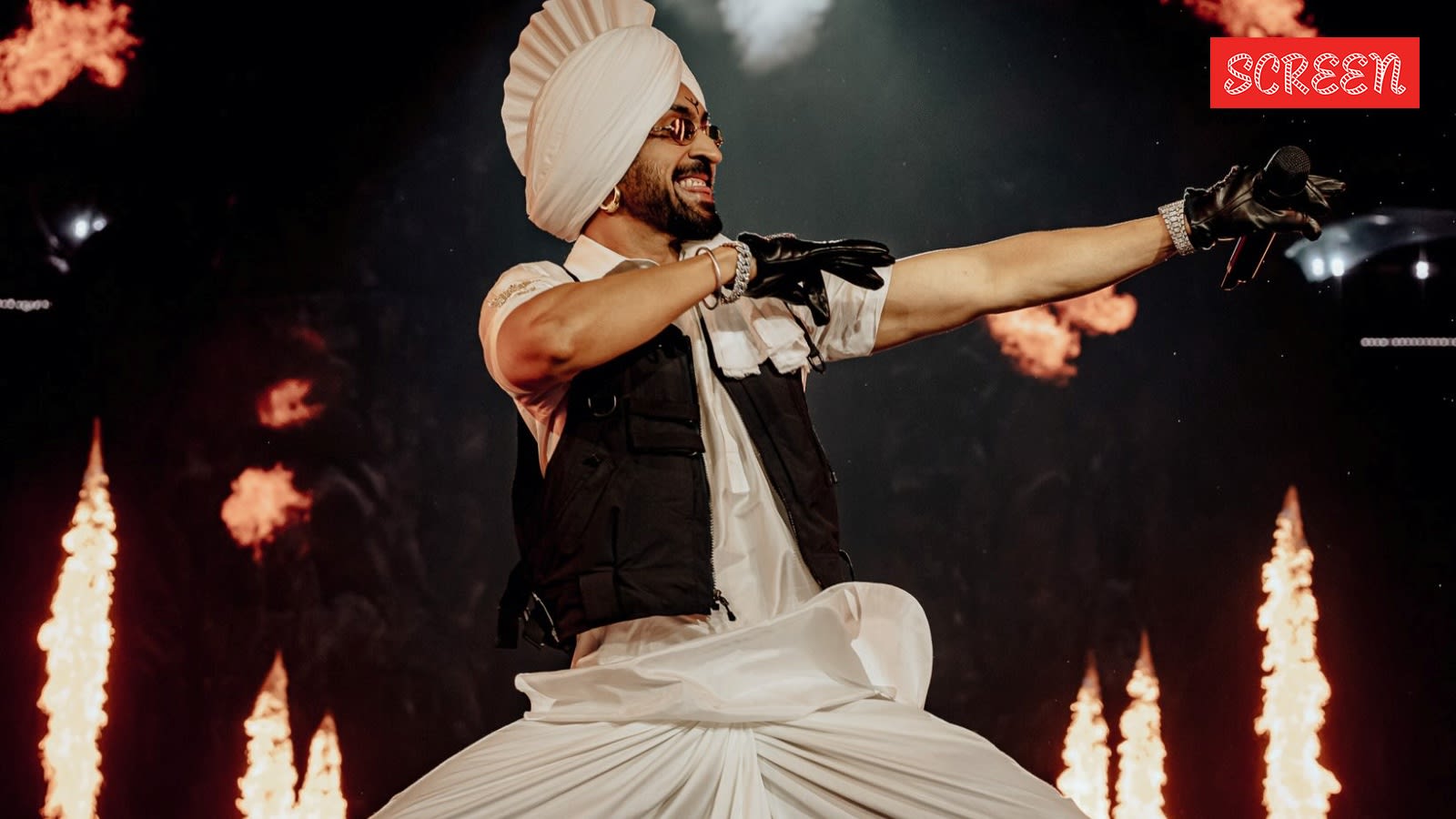
Diljit Dosanjh successfully launched his AURA World Tour in Delhi, drawing 70,000 fans to the Jawaharlal Nehru Stadium despite external criticism. The singer addressed detractors while highlighting the security efforts of the Delhi Police and CRPF.
A Landmark Night at Jawaharlal Nehru Stadium
On October 30, Punjabi superstar Diljit Dosanjh marked a significant milestone in his career by launching the India leg of his AURA World Tour at the Jawaharlal Nehru Stadium in Delhi. The event was a massive logistical undertaking, drawing a capacity crowd of 70,000 fans who gathered to experience a performance noted for its high-energy choreography, elaborate production design, and the singer's signature bhangra-infused hits. The scale of the concert, which lasted nearly six hours, underscores Diljit’s status as a global touring powerhouse capable of sustaining massive stadium-level engagement.
Production Excellence and Fan Experience
The concert was not merely a musical event but a theatrical spectacle. Featuring multiple outfit changes, advanced stage equipment that allowed the artist to perform while suspended in the air, and a seamless flow of hit tracks, the production was designed to mirror world-class international standards. By allowing entry to audiences aged five and above, the event catered to a diverse demographic, reinforcing the artist’s broad cross-generational appeal. The technical precision required to pull off such an elaborate show speaks to the evolving nature of live entertainment in India.
Addressing Security and Public Service
Amidst the glitz and grandiosity, the concert served as a platform for acknowledging the essential role of law enforcement. Diljit took a poignant moment during the show to honor a female CRPF officer on stage, noting that her presence reminded him of his mother. He publicly thanked both the Delhi Police and the Central Reserve Police Force for their efforts in maintaining order. This recognition was particularly relevant given the heightened security measures, which included the deployment of hundreds of personnel and the enforcement of traffic restrictions in the vicinity of the stadium to manage the massive influx of attendees.
Navigating Public Scrutiny and Media Narratives
Despite the triumph of the sold-out show, Diljit faced significant external pressure. Following the event, the artist addressed his detractors directly via an Instagram live session, noting that certain entities had "desperately tried to stop" the show. He expressed frustration with specific news channels, accusing them of generating "negative energy" and attempting to undermine his work. This tension highlights the complex intersection of celebrity, media scrutiny, and public discourse in India, where popular artists often find themselves at the center of polarized debates.
A Commitment to Longevity
In his response to the criticism, Diljit reaffirmed his dedication to his craft, noting that he has been working in the industry for 25 years. His defiant message—that he will continue to perform as long as he chooses—signals a firm boundary between his artistic career and the external narratives surrounding him. By refusing to be swayed by critics or negative media coverage, he has positioned himself as an artist who prioritizes his connection with his audience over the volatility of public controversy.
Future Trends in Live Performance
The success of the Delhi concert serves as a bellwether for the future of large-scale touring in India. As infrastructure for stadium-level events improves and artists like Diljit Dosanjh continue to set benchmarks for production quality, the appetite for high-fidelity live experiences is expected to grow. The ability to manage massive crowds while integrating local security cooperation and maintaining a direct, unfiltered line of communication with fans via social media suggests a new blueprint for how major artists will navigate the challenges of modern fame and public performance.
Multiple Citing Sources