Who is Divya Ahirwar, activist whose arrest is in spotlight in Madhya Pradesh?
Source Entity
Anand Mohan J
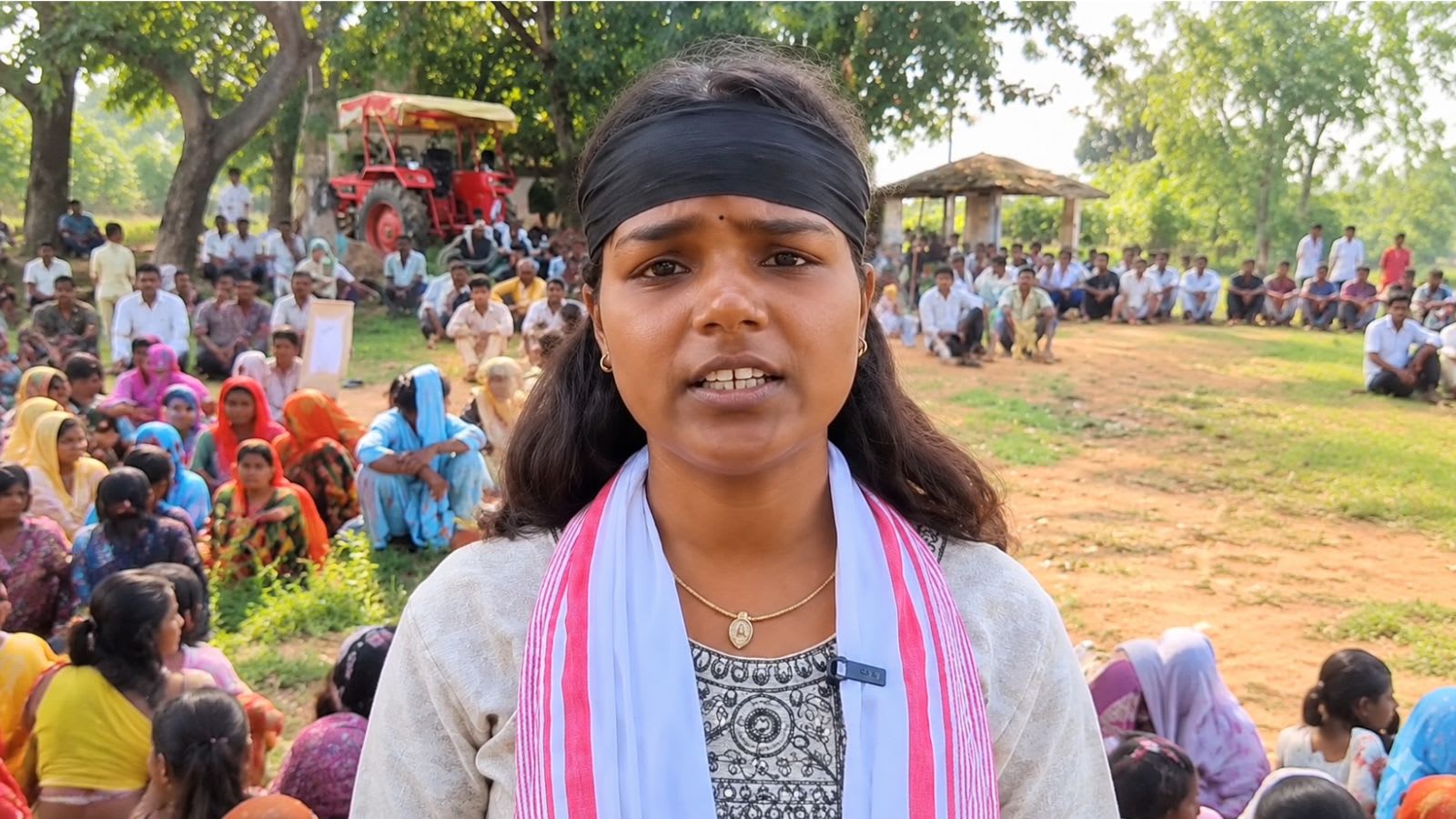
Divya Ahirwar, a municipal councillor and activist, remains in Panna district jail, refusing bail to protest the displacement caused by the Ken-Betwa Link Project. Her detention has drawn national attention from political leaders like Brinda Karat, highlighting the ongoing struggle for displaced communities in Madhya Pradesh.
The Case of Divya Ahirwar: Activism and Displacement in Madhya Pradesh
A Stand Against Displacement
The recent imprisonment of Divya Ahirwar, a municipal councillor from Bijawar in Chhatarpur district, has brought the human cost of large-scale infrastructure projects into sharp focus. Ahirwar, who is also a law student, was arrested in September. Her detention is inextricably linked to her involvement in the 'Chita Andolan,' a protest movement advocating for the rights of families displaced by the Ken-Betwa Link Project and various other infrastructure developments in the region.
The Refusal of Bail as Protest
What makes Ahirwar’s case particularly noteworthy is her explicit refusal to seek bail. During a visit to Panna district jail by senior CPI(M) leader Brinda Karat and Jai Kisan Andolan leader Amit Bhatnagar, Ahirwar maintained her resolve. By choosing to remain incarcerated, she is employing a powerful form of civil disobedience, signaling to the authorities and the public that her commitment to the displaced families outweighs her personal liberty. She has stated clearly that she intends to continue her struggle from within the prison walls.
The Ken-Betwa Link Project Context
At the heart of this controversy lies the Ken-Betwa Link Project, a major inter-linking of rivers scheme aimed at water management. While such projects are often framed through the lens of economic development and agricultural security, they frequently result in significant social upheaval. The displacement of rural communities creates a vacuum of agency, which activists like Ahirwar seek to fill by organizing resistance against forced relocation and inadequate compensation.
National Solidarity and Political Implications
The involvement of national-level figures such as Brinda Karat indicates that Ahirwar’s situation has transcended local politics to become a matter of national concern regarding human rights and protest legitimacy. This high-profile support serves to amplify the voices of the displaced, putting pressure on the administrative and political machinery of Madhya Pradesh to address the grievances of those affected by the infrastructure push.
Future Trends and Judicial Challenges
As Ahirwar continues her legal studies while in detention, her case highlights the intersection of grassroots activism and the formal legal system. The outcome of this standoff will likely serve as a litmus test for how the state handles dissent regarding developmental projects. Moving forward, the 'Chita Andolan' and similar movements are expected to face increasing scrutiny, even as they gain momentum through the symbolic power of activists willing to endure incarceration for their cause.