"Buy My Ticket Too": DK Shivakumar Recalls Metro Ride With PM Modi
Source Entity
NDTV News Search Records Found 1000
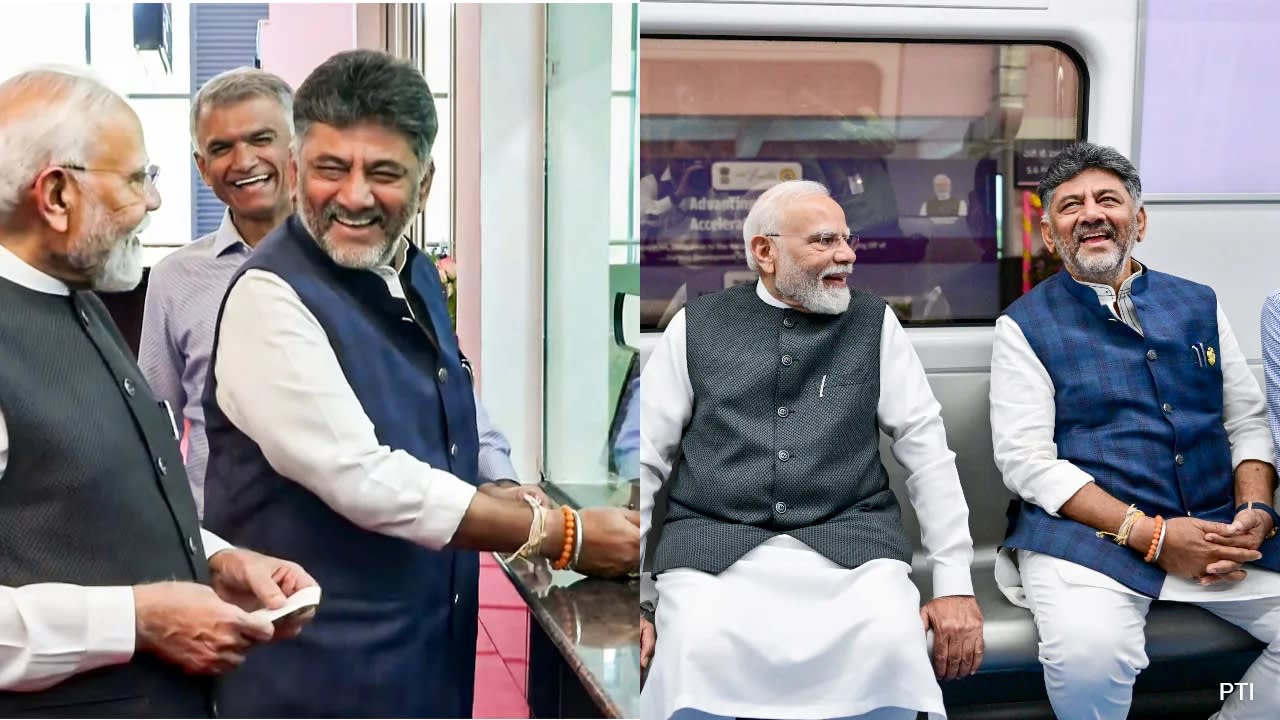
Karnataka Deputy CM DK Shivakumar shared a lighthearted anecdote about PM Narendra Modi paying for his ticket during a Pink Line metro ride in Bengaluru. The interaction underscores a rare moment of bipartisan camaraderie amidst ongoing tensions regarding infrastructure funding.
A Moment of Bipartisan Synergy in Bengaluru
During a recent inaugural event for the Bengaluru Metro's Pink Line, a unique and lighthearted interaction unfolded between Prime Minister Narendra Modi and Karnataka Deputy Chief Minister DK Shivakumar. As the two leaders prepared to board the metro, Shivakumar candidly remarked that he did not have money on his person, leading the Prime Minister to swipe his own card to cover the cost of the Deputy Chief Minister's ticket. This brief, humanizing exchange provided a momentary reprieve from the often-strained political discourse between the state and central administrations.
Separating Governance from Partisanship
Beyond the humor of the ticket incident, the interaction served as a platform for Shivakumar to emphasize a broader political philosophy. The Deputy Chief Minister explicitly stated that while political competition is inherent to the electoral process, it should be strictly quarantined from the business of governance and development. By advocating for a collaborative approach to infrastructure, Shivakumar signaled a willingness to prioritize state progress over the ideological friction that frequently defines the relationship between the Congress-led state government and the BJP-led central government.
The Infrastructure Funding Tug-of-War
This gesture of goodwill occurs against a complex backdrop of fiscal tension. The expansion of Bengaluru's metro network has been a significant point of contention, with the state government and the Centre currently at odds over financing models and project timelines. The Pink Line is a critical artery for the city's future, and the public appearance of both leaders suggests an attempt to project a united front, even as underlying disagreements regarding the allocation of central funds persist.
Symbolism in Urban Development
For a city like Bengaluru, which serves as a global technology hub, the metro is more than just a transit system; it is a symbol of economic viability and urban modernization. The fact that the Prime Minister and the Deputy Chief Minister shared a ride highlights the importance of federal cooperation in executing large-scale urban infrastructure projects. When political leaders are seen collaborating on public transport, it sends a powerful message to investors and citizens alike about the continuity and stability of development projects.
Future Implications for Federal Relations
Looking ahead, the success of Bengaluru’s infrastructure expansion will rely heavily on the ability of state and central leaders to manage these differences. While the ticket-buying incident was lighthearted, it underscores a growing realization that public perception is increasingly influenced by how leaders handle administrative cooperation. If this spirit of separating 'elections from development' can be sustained, it may pave the way for more efficient funding negotiations and faster project completions for the city's overburdened commuters.
Conclusion
In summary, the interaction between PM Modi and DK Shivakumar on the Pink Line serves as a microcosm of the delicate balance required in Indian federalism. While the anecdote itself is simple, its implications for the future of Bengaluru’s development are significant. By publicly acknowledging the need for development to transcend partisan politics, both leaders have set a tone that, if followed, could significantly accelerate the progress of critical urban infrastructure in one of India's most important economic engines.
Verification Required?