Raids At DMK Leader KN Nehru's Premises, 3rd Time Under TVK Government
Source Entity
NDTV News Search Records Found 1000
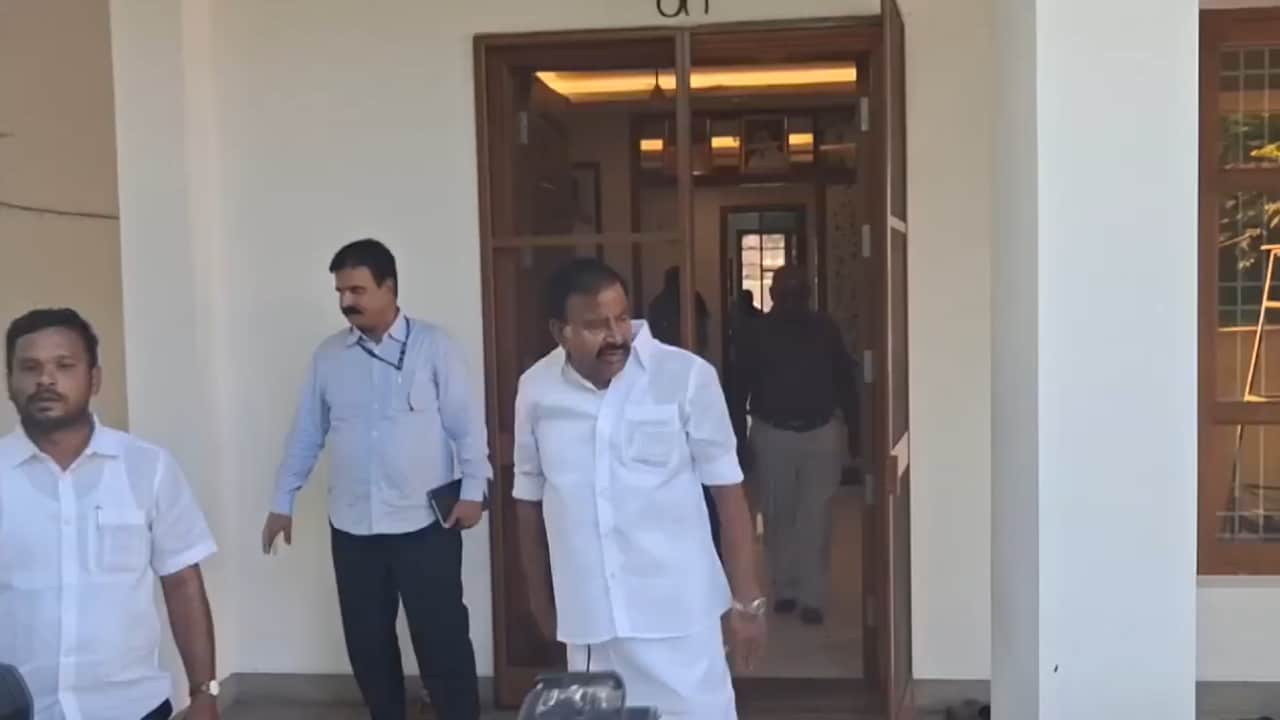
DMK President M.K. Stalin has condemned the recent DVAC raids on former minister K.N. Nehru, labeling them as politically motivated distractions. The searches, marking the third such instance under the TVK government, allege tender manipulation and corruption amidst ongoing legal and legislative challenges.
Political Tensions Escalate in Tamil Nadu: The DVAC Raids on K.N. Nehru
On September 5, 2026, the political climate in Tamil Nadu intensified following reports that the Directorate of Vigilance and Anti-Corruption (DVAC) conducted raids at the residence of former minister and senior DMK leader K.N. Nehru. These searches, which reportedly mark the third time the premises have been targeted under the current TVK government, are officially centered on allegations of tender manipulation and corruption. However, the timing and frequency of these enforcement actions have sparked a fierce debate regarding the independence of state investigative agencies.
Stalin’s Allegations of Political Vendetta
DMK President M.K. Stalin has publicly denounced the raids, characterizing them as a calculated political move rather than a standard investigative procedure. In a statement issued on social media, Stalin highlighted that these actions are occurring while a related case is currently pending before the High Court and while the State Assembly is in session. By emphasizing the legislative context, the DMK leadership is suggesting that the executive branch is utilizing state machinery to intimidate the opposition during critical periods of governance.
The 'Horse Trading' Controversy
Beyond the specific allegations against K.N. Nehru, Stalin has leveled serious accusations of "horse trading" against the ruling party. He claims that the government has been orchestrating the resignation of opposition MLAs and facilitating their induction into the ruling party directly on the Assembly premises. By pointing to a pending FIR regarding these activities, the DMK is attempting to shift the narrative, suggesting that the DVAC raids are merely a smokescreen intended to divert public attention from the ruling party’s own alleged ethical and legal lapses.
Contextualizing the 'Dark Period' Narrative
Stalin’s rhetoric frames these events as symptoms of a broader "dark period" for Indian democracy. This perspective suggests that the misuse of investigative agencies to suppress political dissent is not merely an isolated incident but a systematic issue. The DMK’s defense of K.N. Nehru is thus positioned as a stand for democratic integrity, framing the state’s anti-corruption efforts as weaponized political instruments designed to cripple the opposition's efficacy.
Implications for Future Governance
As the legal proceedings continue, the tension between the ruling TVK government and the DMK is expected to sharpen. The recurring nature of these raids—occurring for the third time—signals a deepening rift that could impact the stability of the Assembly session. With judicial oversight pending in the High Court, the resolution of this conflict will likely set a significant precedent for how corruption investigations are perceived and conducted in the state, potentially influencing future electoral discourse and the public’s trust in administrative neutrality.
Verification Required?