Dollar Slips on Dovish Bessent Comments
Source Entity
Yahoo Finance
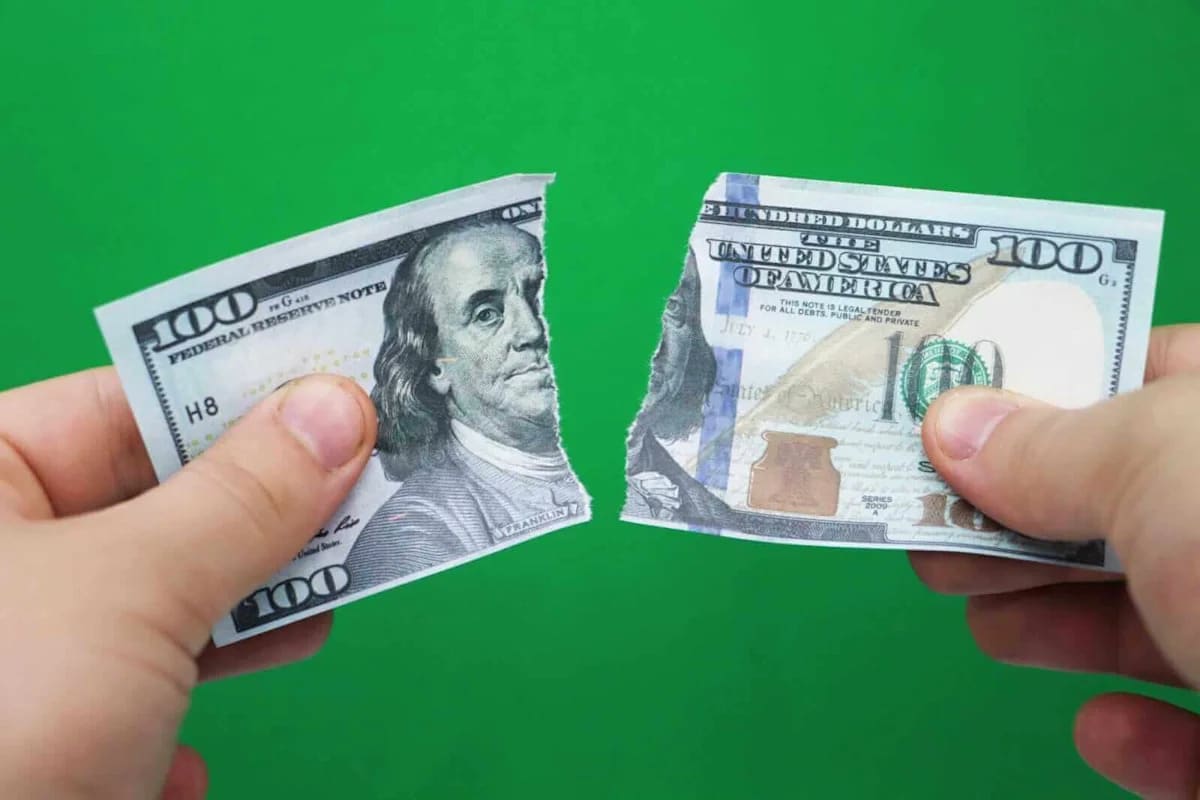
The US dollar is experiencing downward pressure due to a surging Chinese yuan and recent remarks by Treasury Secretary Bessent. Despite these losses, the currency remains supported by rising oil prices, higher T-note yields, and hawkish signals from Fed leadership regarding inflation.
The Dollar’s Delicate Balancing Act
Recent market movements have seen the US dollar index (DXY00) facing downward pressure, slipping by -0.16% today following a -0.28% decline on Monday. This consolidation occurs as the currency retreats from a two-week high established last Friday. The primary driver for this shift is the notable rally of the Chinese yuan, which has reached a 3.5-year high, creating a direct headwind for the greenback as global currency markets adjust to shifting capital flows.
The Yuan’s Influence and Currency Dynamics
The strength of the Chinese yuan serves as a significant counterweight to the dollar. As the yuan reaches multi-year peaks, it naturally undercuts the dollar’s relative valuation. This dynamic is a critical focal point for forex traders, as the yuan’s performance often reflects broader shifts in Asian economic sentiment and trade dynamics that can dictate the short-term trajectory of the US dollar index.
Policy Friction: Treasury vs. The Fed
The dollar's recent volatility is compounded by an emerging narrative of policy friction between US Treasury Secretary Bessent and Federal Reserve Chair Warsh. Secretary Bessent’s recent comments, suggesting that the Fed should not raise interest rates in response to supply shocks, have introduced a sense of uncertainty into the market. This contrasts with Fed Chair Warsh’s recent hawkish stance, where he warned that inflation is not slowing meaningfully and pledged that policymakers are committed to restoring price stability.
The Countervailing Forces of Energy and Yields
Despite the downward pressure, the dollar’s losses have been structurally limited by several key factors. WTI crude oil has rallied more than +2% to reach a one-week high. Historically, rising energy prices elevate inflation expectations, which often forces the Fed to maintain or increase interest rates—a move that typically supports the dollar. Furthermore, the rise in T-note yields has strengthened interest rate differentials, providing a technical cushion that prevents a more significant slide.
Market Sentiment and Liquidity Demands
Equities have shown weakness, which paradoxically acts as a stabilizer for the dollar. In times of market instability, investors often pivot back to the dollar to meet liquidity demands, viewing it as a safe-haven asset. This demand, coupled with the carryover support from last Friday’s signals regarding the Fed's inflation-fighting mandate, suggests that while the dollar is currently consolidating, the underlying fundamentals remain heavily influenced by the tug-of-war between inflationary risks and monetary policy responses.
Conclusion: Assessing Future Trends
Looking ahead, the dollar’s path will likely be determined by how the Fed reconciles its mandate to fight inflation with the political and economic implications of supply shocks. As long as energy prices remain elevated and T-note yields stay competitive, the dollar is likely to maintain a resilient floor. However, should the Chinese yuan continue its climb, the dollar may face sustained challenges in reclaiming its recent two-week highs, making the coming trading sessions pivotal for market participants.