Analysis-Texas' halt on powering data centers reflects US reckoning over 'ghost' demand
Source Entity
Yahoo Finance
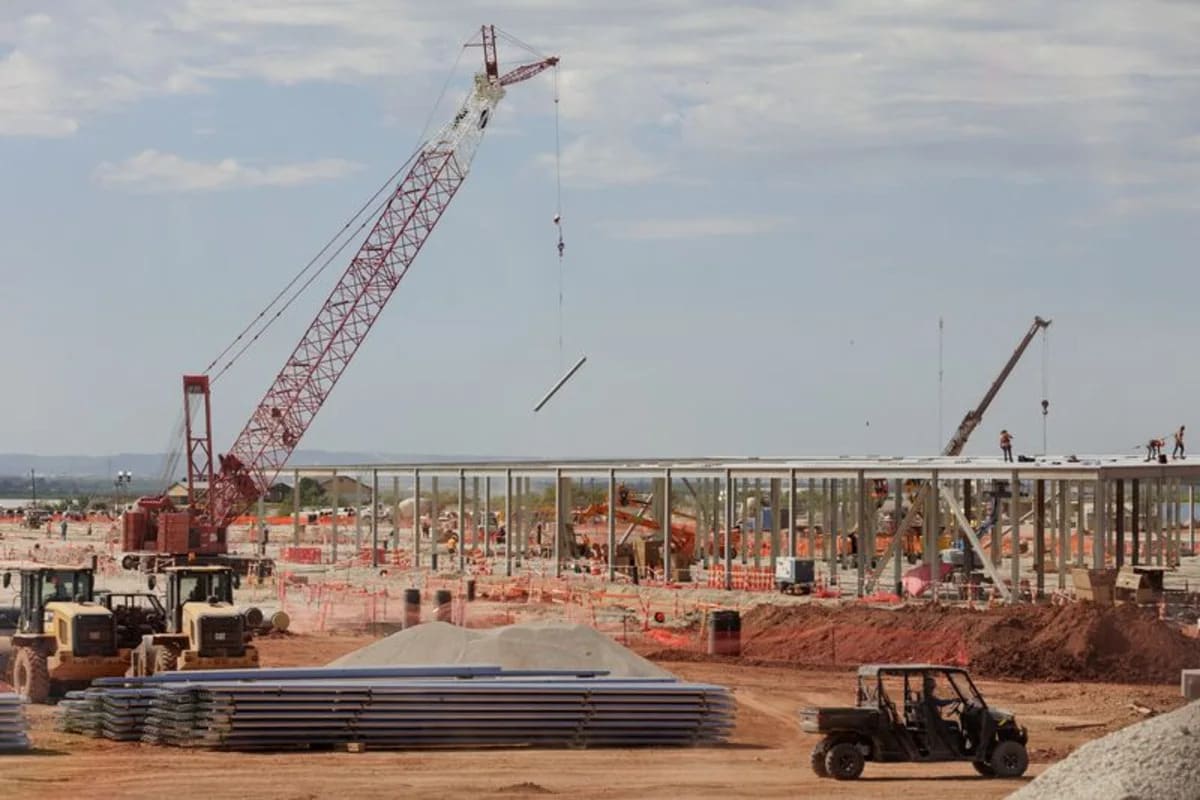
Texas has initiated a freeze on new data center grid connections to investigate whether massive electricity demand requests are legitimate or inflated. This move highlights a growing national struggle to balance utility infrastructure capacity with the surge in artificial intelligence and cloud computing power needs.
The Great Power Reckoning: Texas and the Data Center Dilemma
Assessing the 'Ghost' Demand
Texas has taken a historic step by becoming the first major data center hub to pause new grid connections for these facilities. This decision is rooted in a critical need to differentiate between legitimate infrastructure requirements and what regulators suspect may be 'ghost' demand—inflated or speculative requests for electricity that do not align with actual operational timelines or physical necessity. As the epicenter of this investigation, Texas is attempting to stabilize its grid by forcing developers to prove the viability of their projects before they are granted access to finite power resources.
The Scale of the Infrastructure Crisis
Recent utility and grid data analysis reveals a staggering discrepancy in the energy sector. Requests from large power users, primarily data centers, now exceed 700 gigawatts across the Midwest, Mid-Atlantic, and the Southern United States. To put this figure into perspective, it represents more than ten times the current industry estimates of U.S. data center power consumption. This massive swell in demand is effectively creating a bottleneck that threatens the reliability of the national electrical grid, forcing regulators to reconsider how they manage utility planning.
The Artificial Intelligence Catalyst
Much of this unprecedented demand is driven by the rapid expansion of artificial intelligence, machine learning, and cloud computing. As tech giants race to build the infrastructure required to support generative AI, the rush for power has outpaced the speed at which utility companies can upgrade transmission lines and generation capacity. This has led to a 'gold rush' mentality where developers file redundant or speculative requests to secure a place in the queue, further complicating the grid operator’s ability to forecast actual load requirements.
Regulatory Challenges and National Implications
The situation in Texas is serving as a blueprint—or a cautionary tale—for other states facing similar pressures. Regulators and politicians across the U.S. are now struggling to balance the economic benefits of hosting high-tech data hubs against the risks of grid instability. The 'ghost' demand phenomenon is vexing because it ties up capacity that could be utilized by other essential services or residential developments, potentially leading to higher utility rates and increased risk of blackouts if the grid is over-promised.
Future Trends and Strategic Realignments
Looking ahead, we can expect a shift toward more stringent vetting processes for industrial energy connections. Utility companies will likely move away from a 'first-come, first-served' model toward one that requires developers to provide robust evidence of project milestones, financial backing, and realistic power usage timelines. This regulatory pivot marks a new era in which the energy sector must exert greater control over the trajectory of technological growth to ensure that national power security is not compromised by speculative industrial development.