Donkeys fed 'gulab jamuns' in ritual amid rainfall deficit in 35 MP districts
Source Entity
TOI CITY DESK
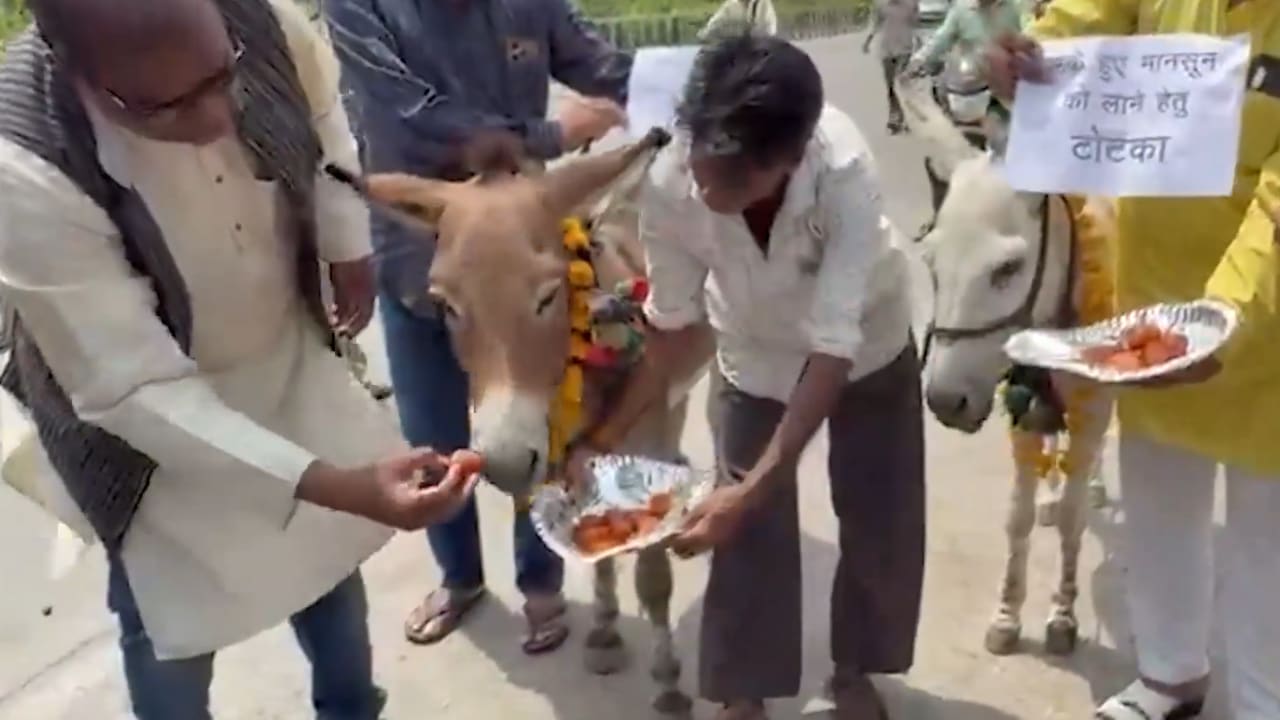
Residents in Bhopal performed a traditional ritual feeding gulab jamuns to donkeys to invoke rainfall for drought-stricken regions in Madhya Pradesh. Despite localized surplus rain in Bhopal, 35 districts across the state are currently facing significant precipitation deficits.
Rituals and Reality: Madhya Pradesh Faces Monsoon Uncertainty
In a unique intersection of cultural tradition and climate anxiety, residents in Bhopal recently performed a ritual involving feeding 'gulab jamuns' to donkeys to invoke rainfall. This act, rooted in local folklore and religious practice, serves as a poignant reflection of the desperation felt in regions experiencing severe meteorological stress. By invoking Indra, the Hindu god of rain, participants expressed a communal plea for relief from the dry conditions currently plaguing much of the state.
The Stark Reality of Precipitation Deficits
The ritual highlights a significant disparity in the monsoon's performance across Madhya Pradesh. While the state's capital, Bhopal, has enjoyed a surplus—recording 400.3 mm of rainfall, which is 44 percent above its seasonal average—the broader landscape remains parched. Reports indicate that 35 districts across the state have recorded below-normal precipitation, creating a precarious situation for agrarian communities that rely heavily on the monsoon to sustain their livelihoods.
Cultural Traditions as Social Coping Mechanisms
Anthropologically, the act of feeding animals during times of natural disaster or climate variability is a long-standing tradition in many parts of India. These rituals often serve as a psychological anchor for communities facing the unpredictability of nature. While meteorological departments rely on satellite imagery and atmospheric pressure data to forecast weather, such rituals provide a sense of agency and collective hope to citizens who feel helpless against the vagaries of climate change and shifting monsoon patterns.
Meteorological Outlook and Regional Disparities
The climate data provided by meteorologists paints a complex picture of the state's hydrology. The localized success of the monsoon in Bhopal stands in direct contrast to the deficit experienced in the majority of the state’s districts. This uneven distribution of rainfall is a growing concern for regional planners, as it emphasizes the vulnerability of specific zones to drought even when the state as a whole may appear to be receiving average precipitation levels.
Future Trends and Resilience
Looking ahead, the India Meteorological Department has signaled a potential shift in the weather pattern, with a wet spell anticipated across Madhya Pradesh starting Sunday. This shift offers a glimmer of optimism for the 35 districts currently struggling with moisture deficits. As climate change continues to disrupt traditional monsoon cycles, the interplay between scientific forecasting and traditional coping strategies will likely remain a hallmark of how communities navigate the challenges of the agricultural season in central India.