Iran Supreme Leader's message to US: Mojtaba Khamenei calls Trump's signature worthless
Source Entity
TOI WORLD DESK
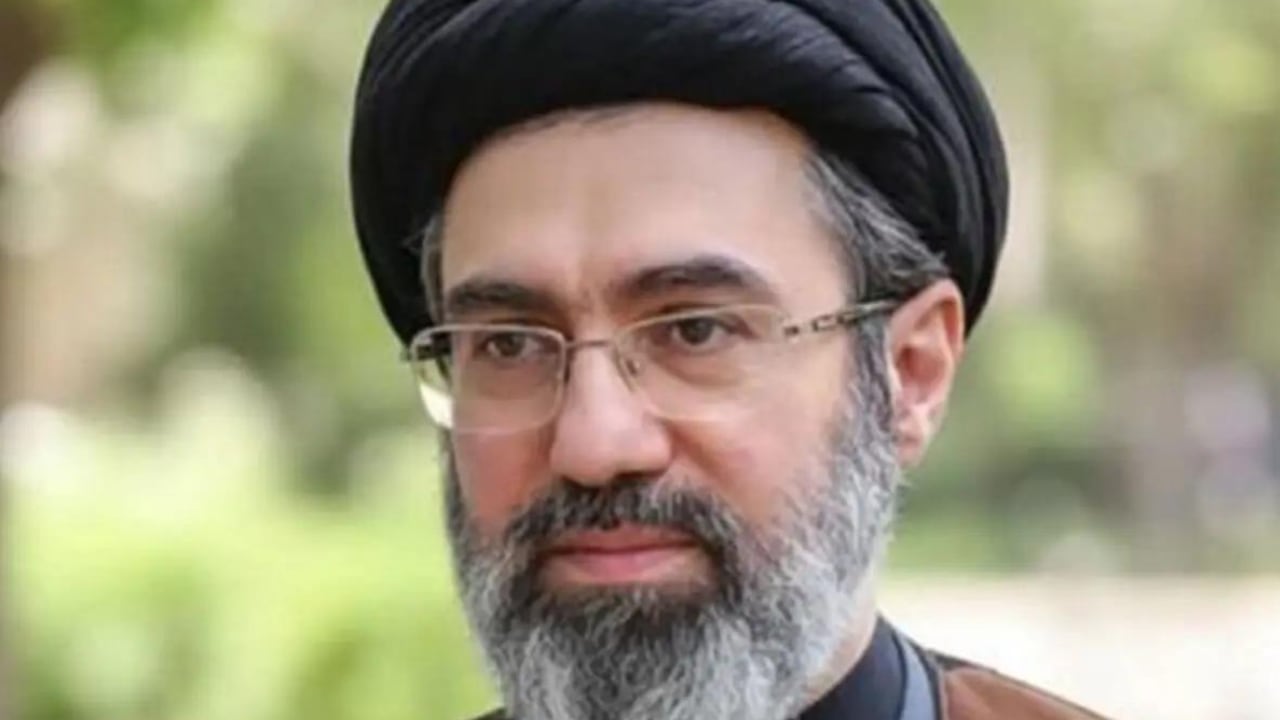
Iran's Supreme Leader Mojtaba Khamenei has declared US President Trump's signature on a recent interim agreement invalid, citing US breaches. The escalation has led to direct military strikes, raising significant concerns regarding regional stability and global energy security.
The Escalation of Iran-US Tensions: A Diplomatic Breakdown
Recent reports indicate a severe deterioration in relations between the United States and Iran, marked by a breakdown in an interim agreement and a subsequent flare-up in hostilities. Supreme Leader Mojtaba Khamenei has taken a hardline stance, publicly labeling the signature of President Donald Trump as "worthless and invalid." This diplomatic rupture follows claims from Tehran that the United States has committed significant breaches of the previously established accord, leading Iran to suspend its commitments entirely.
The Rhetoric of Conflict
In his latest address, Khamenei utilized strong, confrontational language, referring to the United States as "Satan" and vowing to teach the nation "unforgettable lessons." This rhetoric signals a departure from previous attempts at de-escalation, suggesting that the Iranian leadership is pivoting toward a posture of active defiance. The characterization of the US signature as "worthless" serves as a symbolic rejection of American diplomatic leverage, effectively closing the door on the current framework for negotiation.
Military Engagement and Strategic Targets
The geopolitical situation has evolved beyond verbal sparring into direct military confrontation. Reports confirm that both nations have exchanged strikes targeting military and critical infrastructure. These kinetic actions represent a dangerous escalation, moving the conflict from the realm of sanctions and proxy tensions into direct state-on-state hostilities. The strategic nature of these targets suggests an attempt by both sides to degrade the other's operational capacity rather than merely engaging in symbolic signaling.
Regional Stability and Global Energy Implications
As the conflict intensifies, the broader implications for regional security and global markets are profound. The Middle East remains a volatile theater, and the direct exchange of fire between these two powers threatens to destabilize neighboring states. Furthermore, because this region is vital to the global energy supply chain, the ongoing military exchanges have sparked immediate anxiety in international markets. Should these strikes continue to target infrastructure, the potential for a significant disruption in energy flows remains a primary concern for the global economy.
Future Trends and Diplomatic Hurdles
Looking ahead, the path to resolution appears increasingly narrow. With the interim agreement effectively nullified, the lack of a diplomatic mechanism to manage these hostilities leaves military force as the primary instrument of policy. Unless a third-party mediator can intervene to establish a new set of ground rules, the trend points toward a sustained period of friction. The "unforgettable lessons" promised by Khamenei suggest that Iran is prepared for a prolonged confrontation, placing the onus on international actors to prevent a wider regional war.
Multiple Citing Sources