Mojtaba draws American blood: 2 US troops killed in Iran attack - CENTCOM reveals details | Jordan
Source Entity
Latest News: Today's Latest News Headlines from India & World | Hindustan Times | Hindustan Times
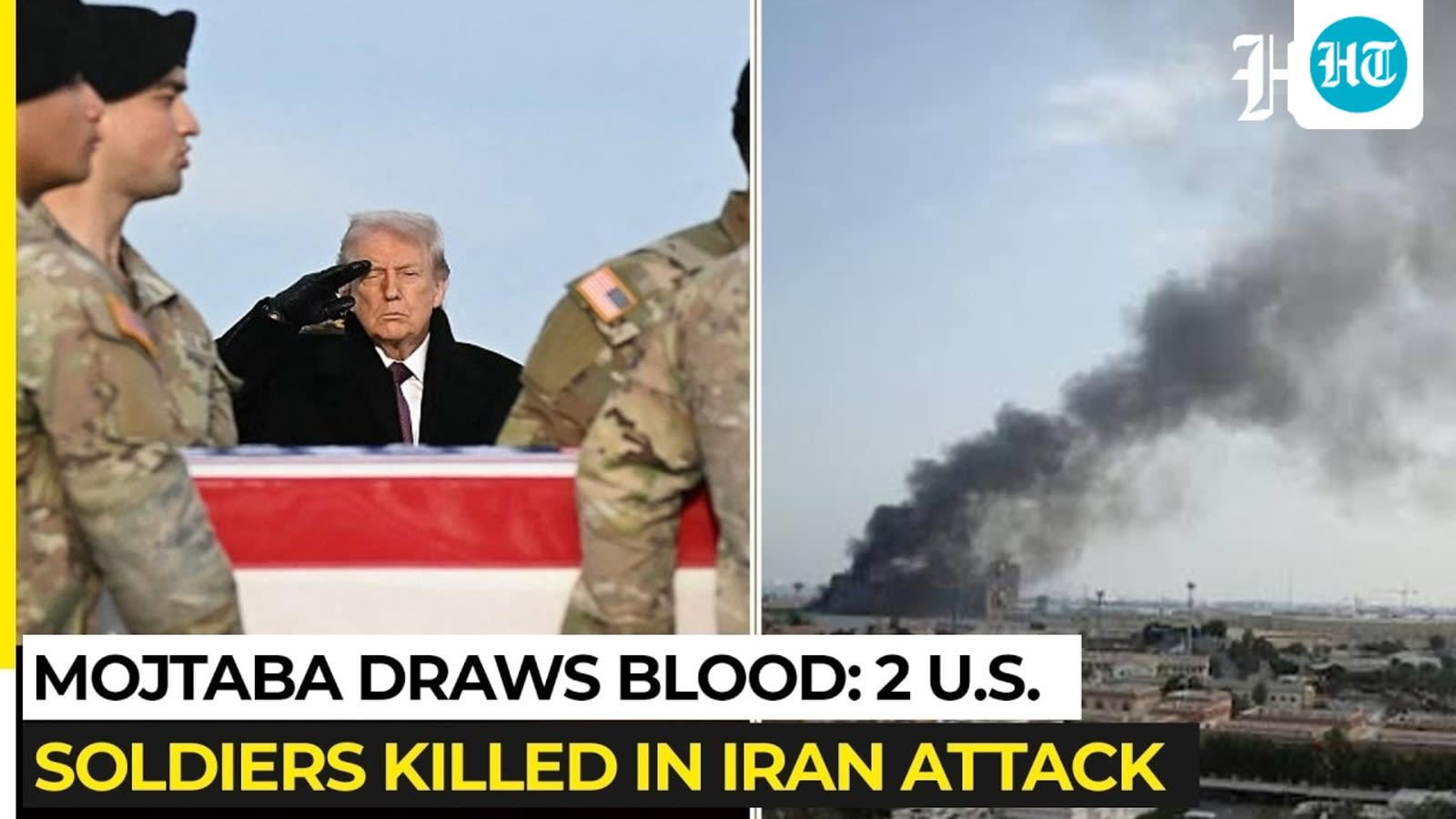
Two U.S. service members were killed and one remains missing following a direct Iranian missile and drone attack on a base in Jordan. The incident has prompted retaliatory U.S. strikes and raised significant concerns regarding regional military escalation.
Regional Escalation: U.S. Troops Killed in Jordan
The security landscape in the Middle East has shifted dramatically following a confirmed Iranian missile and drone strike on a military base in Jordan. The U.S. Central Command (CENTCOM) has verified that two American service members were killed during the engagement, while one soldier remains missing. This event marks a significant escalation in the ongoing regional tensions, representing the first instance of direct Iranian fire causing U.S. fatalities since the current cycle of conflict began.
The Mechanics of the Attack and Defense
According to reports from the Pentagon and CENTCOM, the base was subjected to a coordinated assault involving both ballistic missiles and drone technology. While U.S. and partner forces engaged in defensive maneuvers to repel the barrage, the intensity of the attack resulted in the tragic loss of life and the medical evacuation of four other personnel, who have since been discharged. The complexity of these attacks suggests a sophisticated level of tactical coordination by Iranian forces, moving beyond the traditional proxy warfare often seen in the region.
Geopolitical Fallout and Threats
Following the strikes, Tehran issued a provocative public message directed at Jordan and the United States, warning of "unforgettable lessons" should military operations continue. This rhetoric underscores a broader strategy by Iran to project power across borders, directly challenging the U.S. military presence in Jordan. The incident has forced a diplomatic reckoning, as Jordan finds itself caught in the crosshairs of a direct confrontation between two global powers.
Strategic Retaliation and Infrastructure Impact
In response to the loss of personnel, CENTCOM has initiated retaliatory strikes targeting Iranian surveillance and critical infrastructure sites. These operations serve as a demonstration of U.S. resolve to protect its forces and deter further aggression. However, the conflict is already spilling over into the economic sphere, with reports indicating that the heightened instability has disrupted commercial shipping through the critical Strait of Hormuz, a vital artery for global energy supplies.
Broader Implications and Future Trends
This incident sets a dangerous precedent, as the threshold for direct military engagement between the U.S. and Iran has been lowered. The loss of American lives necessitates a robust policy response, yet the risk of a wider regional conflagration remains high. Moving forward, analysts expect a sustained period of tension, characterized by a cycle of strike and counter-strike. The challenge for U.S. policymakers will be to balance the imperative of protecting service members and maintaining regional security with the need to prevent a full-scale war that could destabilize the global economy and threaten the sovereignty of nations like Jordan.
Multiple Citing Sources
Verification Required?