2 US troops killed, 1 missing in Jordan as Iran strikes Washington allies across the Gulf
Source Entity
The Indian Express
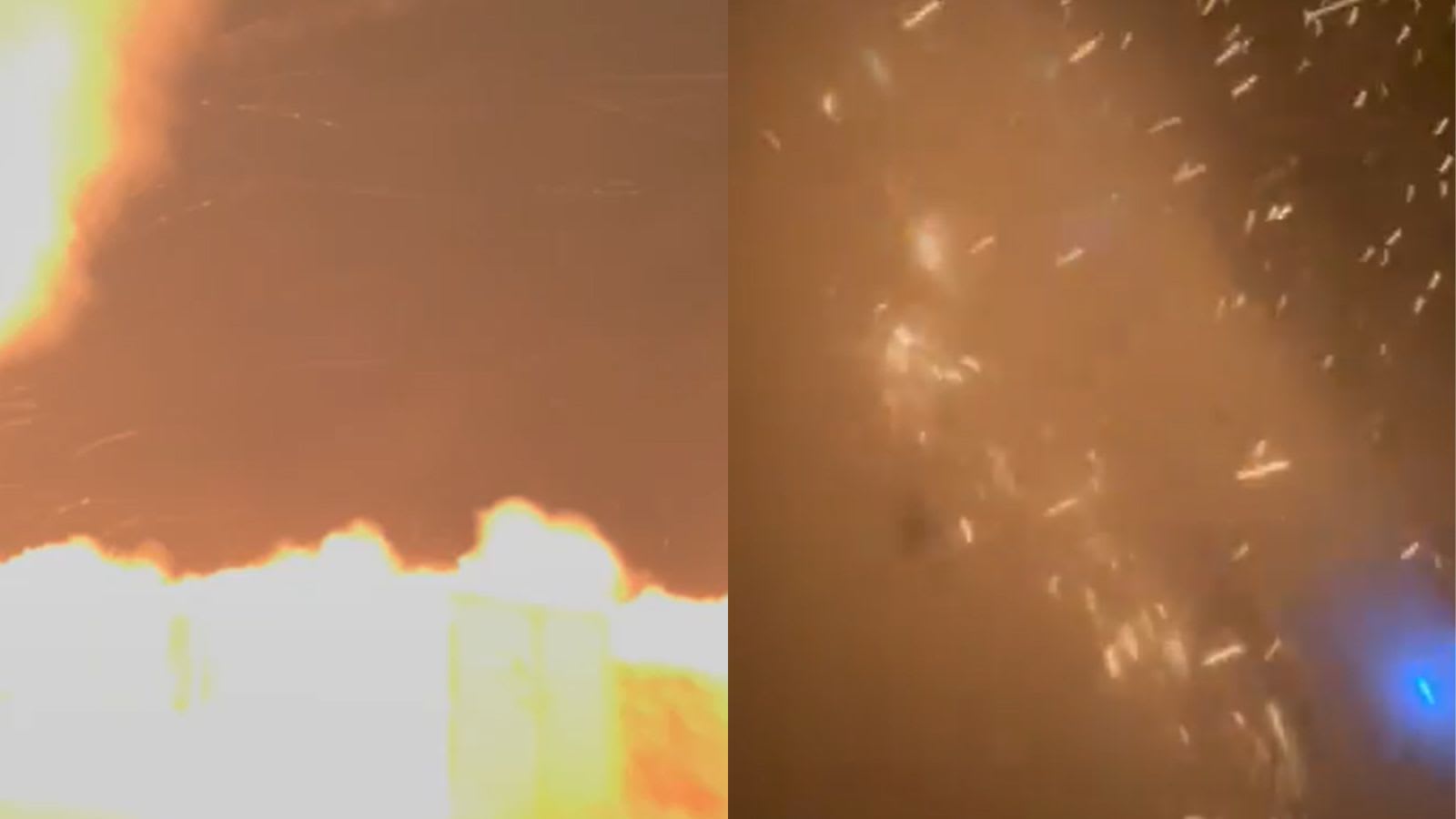
Two US service members were killed and one remains missing following Iranian ballistic missile and drone attacks on a military base in Jordan. This escalation marks the first direct Iranian fire deaths of US troops since the war's start, prompting retaliatory US strikes.
Escalation in the Middle East: US Casualties in Jordan
In a significant escalation of regional hostilities, the United States has confirmed the deaths of two service members and the disappearance of a third following a series of Iranian ballistic missile and drone attacks on a military base in Jordan. This event represents a critical turning point in the ongoing conflict, as it marks the first instance of American troops being killed by direct Iranian fire since the opening stages of the war. The incident underscores the increasing volatility of the Gulf region and the precarious nature of US military presence in strategic partner nations.
Details of the Iranian Assault
The attack, which took place on Friday, involved a coordinated barrage of ballistic missiles and unmanned aerial vehicles (UAVs) targeting US and partner forces. While the US military worked to defend the base, Jordan's own military played a pivotal role in mitigating the damage, reporting the successful interception of 10 Iranian missiles fired into its airspace overnight. Despite these defensive efforts, the strike managed to penetrate defenses, resulting in casualties and leaving one service member missing, whose status remains a primary concern for the Pentagon.
Human Cost and Medical Response
Beyond the two fatalities and the missing soldier, the US Central Command (Centcom) reported that four other service members required medical evacuation to hospitals within Jordan. Fortunately, these individuals have since been discharged, and other personnel who sustained minor injuries have already returned to their duties. The US military has maintained a level of operational security regarding the identities of the fallen troops and the precise location of the attack within Jordan, reflecting the sensitivity of the current security environment.
Strategic Implications of Direct Fire
The nature of these casualties is particularly alarming to military analysts because they were caused by direct Iranian fire. This shift from proxy-led attacks to direct state-sponsored strikes indicates a willingness by Tehran to engage more overtly with US forces. This aggression follows a period of heightened tension where Iran has explicitly warned the United States of "unforgettable lessons" should US operations in the region continue, suggesting that the strikes in Jordan were intended as a punitive measure and a deterrent.
US Retaliation and Infrastructure Targeting
In response to the assaults, the US Central Command did not remain passive. Centcom conducted targeted strikes against Iranian surveillance and infrastructure sites, aiming to degrade Tehran's ability to monitor US movements and launch further attacks. These retaliatory strikes highlight the "tit-for-tat" cycle of violence currently gripping the region, where each strike prompts a response, further narrowing the window for diplomatic resolution and increasing the risk of a full-scale confrontation.
Broader Regional and Economic Fallout
The repercussions of this conflict extend beyond military casualties. The ongoing hostilities have significantly disrupted shipping through the Strait of Hormuz, one of the world's most critical maritime chokepoints for global oil and trade. By threatening this waterway, the conflict transcends local military engagements and begins to impact global economic stability, putting pressure on international markets and complicating the logistics of energy transport.
Conclusion and Current Toll
With the latest deaths in Jordan, the total US death toll in this conflict has risen to 16, including an American Navy pilot who went missing earlier this month. The situation remains fluid and highly dangerous. As the US continues to search for its missing service member and monitor Iranian movements, the region stands on a knife-edge, with the potential for further escalations that could reshape the geopolitical landscape of the Middle East.
Multiple Citing Sources