World stocks fall in semiconductor rout; oil rises on Middle East escalation
Source Entity
Yahoo Finance
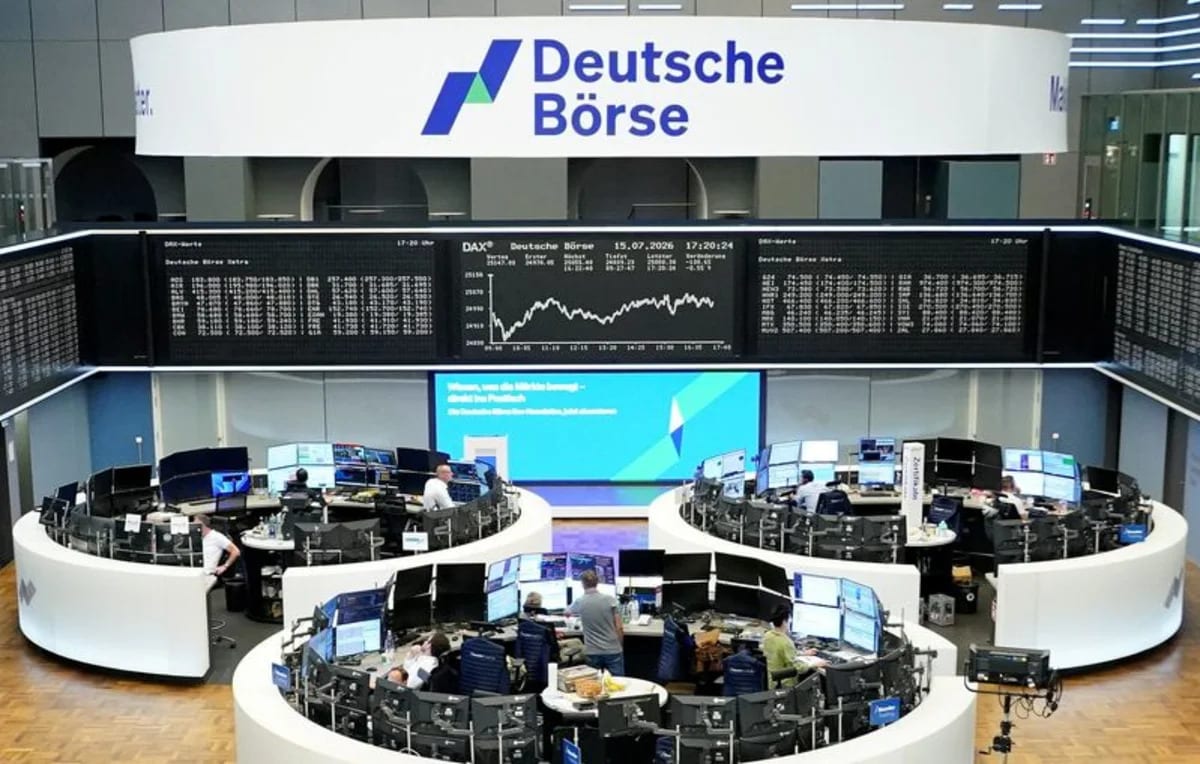
Global stock markets tumbled as semiconductor shares plummeted amid shifting investor sentiment toward AI and a new system release from China's Moonshot. Simultaneously, oil prices hit monthly highs following escalating infrastructure attacks between the US and Iran and maritime tensions in the Strait of Hormuz.
Global Market Turbulence: The Convergence of AI Volatility and Geopolitical Conflict
Global financial markets are currently facing a dual-pronged crisis as a sharp correction in the technology sector coincides with a dangerous escalation of hostilities in the Middle East. The simultaneous collapse of semiconductor stocks and the surge in energy prices have created a volatile environment, triggering a widespread tumble in share indexes worldwide. This convergence highlights the fragility of current market valuations, which have been heavily reliant on artificial intelligence optimism and stable energy corridors.
The Semiconductor Rout and the AI Pivot
The plunge in heavyweight chip stocks, marking a third consecutive day of losses, signals a significant shift in investor psychology regarding the artificial intelligence boom. The catalyst for this rout appears to be a re-evaluation of AI bets, specifically triggered by the release of a large AI system by China's Moonshot. This development suggests that the competitive landscape for AI is intensifying, potentially eroding the perceived moat of Western semiconductor giants. As investors reduce their exposure to AI-centric assets, the resulting sell-off has dragged down broader global indexes, reflecting a growing fear that the AI rally may have reached a point of overextension.
Escalation of US-Iran Hostilities
While the tech sector reels, the geopolitical situation in the Middle East has deteriorated rapidly, driving oil prices to their highest levels in over a month. The conflict has moved beyond proxy skirmishes to direct attacks on critical infrastructure. The United States' decision to strike bridges within Iran represents a strategic effort to disrupt logistical capabilities, but it has prompted a severe retaliatory response. Tehran's decision to target a power and desalination plant in Kuwait underscores a strategy of asymmetric warfare, aiming to destabilize regional utilities and put pressure on U.S. allies in the Gulf.
Energy Security and the Strait of Hormuz
The volatility is further compounded by renewed instability in the Strait of Hormuz, one of the world's most critical energy chokepoints. The report of U.S. Marines boarding a tanker and another vessel being hit by a projectile indicates a high-risk environment for maritime trade. Because the Strait is essential for the transit of global energy supplies, any disruption here immediately translates into higher oil prices. The current blockade-like atmosphere is not only a security concern but a direct economic threat, as the cutting off of energy supplies creates a supply-side shock that fuels global inflation.
Systemic Implications and Economic Outlook
This situation presents a 'perfect storm' for the global economy: a contraction in the high-growth tech sector coupled with rising costs in the energy sector. Historically, such combinations lead to stagflationary pressures where growth slows but prices rise. The interdependence of the semiconductor industry—which relies on global stability for supply chains—and the energy sector—which powers the data centers required for AI—means that these two crises are not isolated. If the conflict in the Middle East expands, the resulting energy spike could further dampen the appetite for capital-intensive AI investments.
Conclusion
In summary, the current global market downturn is the result of a simultaneous collapse in AI sentiment and a surge in geopolitical risk. The semiconductor rout, spurred by Chinese competition via Moonshot, and the US-Iran infrastructure war have created a precarious economic landscape. Until there is a stabilization of the Strait of Hormuz and a clearer trajectory for AI monetization and competition, investors should expect continued volatility and heightened systemic risk across global indexes.