U.S. says it targeted Iranian forces after attacks that killed two American service members
Source Entity
US Top News and Analysis
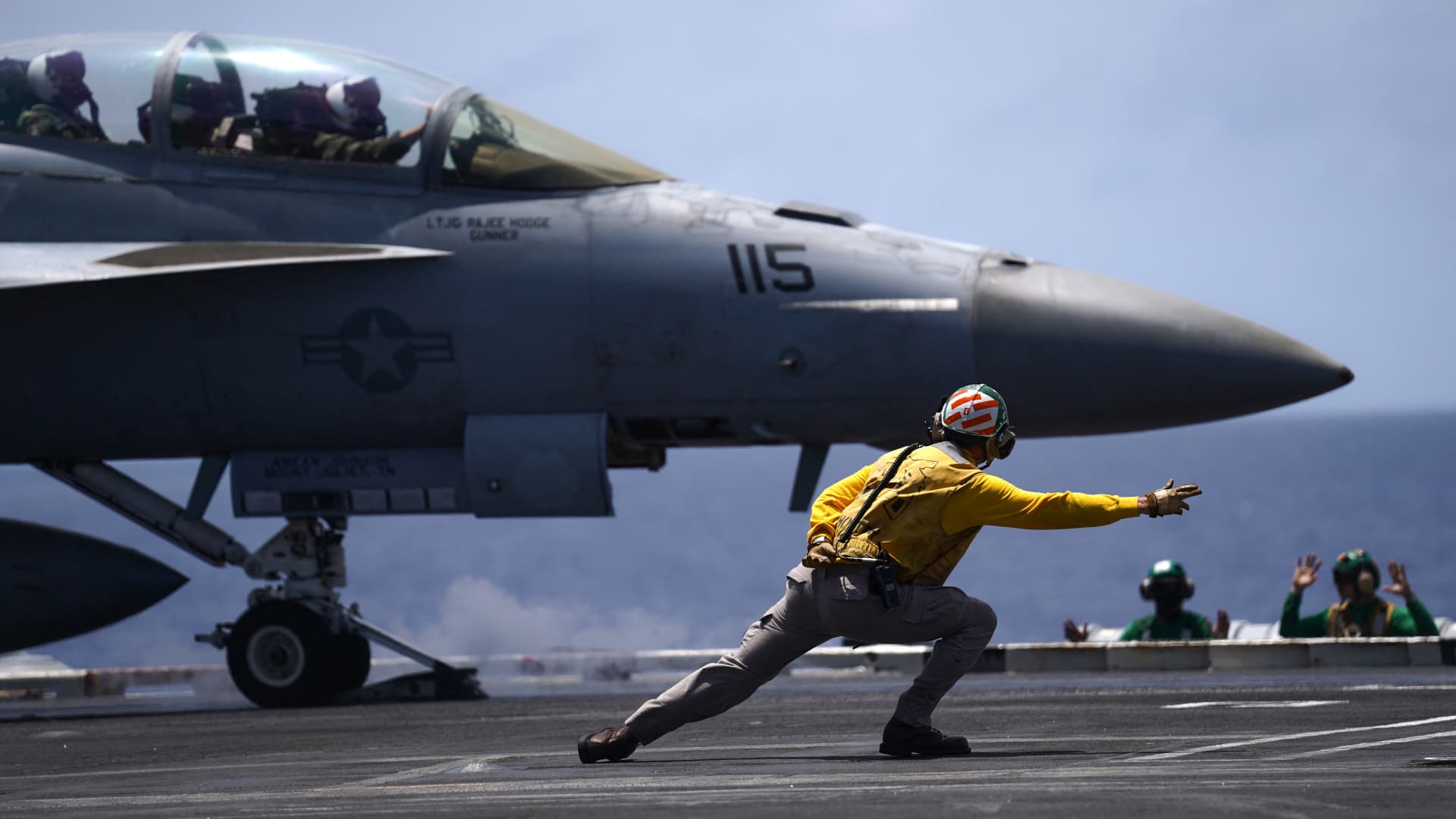
Two US service members were killed and one remains missing following Iranian missile and drone attacks on a military base in Jordan. This event marks the first instance of American troop deaths from direct Iranian fire since the start of the current conflict.
Escalation in the Middle East: Direct Iranian Strikes in Jordan
In a significant escalation of regional hostilities, an Iranian ballistic missile and drone assault on a military base in Jordan has resulted in the deaths of two US service members, with one remaining missing. According to reports from the Pentagon and US Central Command (Centcom), the attack occurred on Friday, marking a critical shift in the conflict. While Jordan's military successfully intercepted ten Iranian missiles fired into its airspace and reported no domestic damage, the US base proved vulnerable to the onslaught, leading to the first American troop fatalities caused by direct Iranian fire since the opening days of the war.
Tactical Breakdown and Immediate Impact
The attack involved a coordinated effort using both ballistic missiles and drones to target US military facilities. Beyond the two fatalities and one missing person, four other US service members required medical evacuation to Jordanian hospitals, though they have since been discharged. Other personnel sustained minor injuries and have already returned to active duty. The lack of released identities for the deceased suggests a continuing focus on operational security as the US evaluates the full scope of the breach and the specific circumstances surrounding the incident.
Strategic Shift Toward Direct Confrontation
Historically, the conflict between the United States and Iran has largely been characterized by a 'shadow war' fought through regional proxies. However, this attack signals a dangerous pivot toward direct kinetic engagement. The fact that these are the first deaths from direct Iranian fire in this phase of the war underscores a heightened willingness by Tehran to target US assets directly. This shift is further emphasized by Iran's explicit warning of "unforgettable lessons" should US operations continue, indicating that the threshold for engagement has been lowered.
US Response and Regional Destabilization
In response to the aggression, US Central Command has conducted retaliatory strikes targeting Iranian surveillance and infrastructure sites. This cycle of attack and retaliation creates a volatile environment where miscalculation could lead to a full-scale war. The conflict is no longer confined to localized skirmishes but is now affecting the broader Gulf region, as US and partner forces strive to defend strategic bases against an increasingly sophisticated arsenal of Iranian drones and missiles.
Global Economic Implications
The ripple effects of this escalation extend far beyond the borders of Jordan. The hostilities have already begun to disrupt critical shipping lanes through the Strait of Hormuz. As one of the world's most vital oil transit chokepoints, any prolonged instability in this area threatens global energy security and could lead to spikes in oil prices. The intersection of military conflict and economic sabotage represents a multifaceted strategy by Iran to exert pressure on the US and its allies.
Conclusion and Future Outlook
With the US death toll in the conflict now rising to 16—including a Navy pilot who went missing earlier this month—the political pressure on Washington to deliver a decisive response will intensify. The current trajectory suggests a period of extreme instability where the risk of further direct clashes remains high. The international community now faces a precarious situation where the balance between deterrence and escalation is thinner than ever, potentially reshaping the geopolitical landscape of the Middle East for years to come.
Multiple Citing Sources