A night Kyiv won't forget? Russia bombs Flamingo, Neptune & FP-9 Factories, Iskander & Zircon fly
Source Entity
Latest News: Today's Latest News Headlines from India & World | Hindustan Times | Hindustan Times
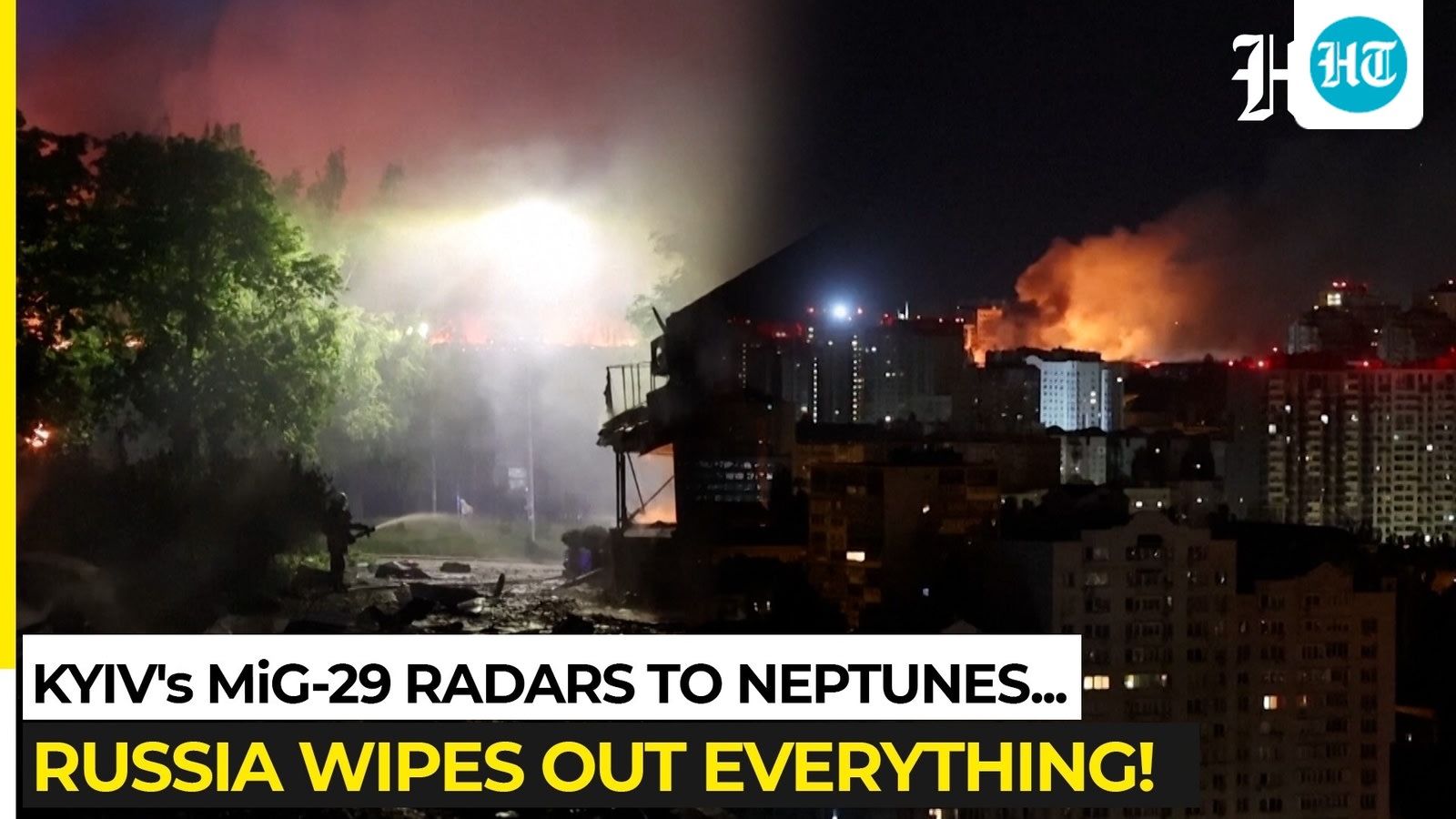
Russia launched a massive overnight barrage of over 40 missiles and 120 drones against Kyiv and other Ukrainian cities, causing significant casualties and damage. President Zelensky labeled the assault one of the largest ballistic attacks on the capital since 2022, occurring amid reciprocal strikes on Russian infrastructure.
Escalation in the Air: The July 18 Missile Barrage
In the early hours of July 18, the ongoing conflict in Ukraine reached a new level of intensity as Russia unleashed a massive, multi-pronged aerial assault against Kyiv and other major urban centers. Reports indicate that the offensive involved over 40 ballistic missiles and 120 drones, creating a sustained period of terror that lasted several hours. This coordinated strike marks a significant escalation in the war of attrition that has defined the conflict since early 2022.
Devastation on the Ground
The human and structural toll of this barrage has been severe. Across Ukraine, officials confirmed five deaths and at least 35 injuries, with the capital city of Kyiv bearing the brunt of the damage. Mayor Vitali Klitschko and the State Emergency Service reported that nearly 600 responders were deployed to manage fires across five districts. The assault damaged residential buildings, offices, industrial facilities, and a dormitory, while debris from intercepted weapons shattered windows and destroyed vehicles throughout the city.
The Strategic Context of Reciprocal Strikes
This aggressive Russian response appears to be a direct reaction to Ukraine's recent efforts to degrade Russian logistical and economic capabilities. President Volodymyr Zelensky, while condemning the attack as one of the most massive ballistic assaults on the capital, noted that Ukraine has simultaneously pursued its own offensive operations. These include successful strikes on three Russian oil tankers in the Black Sea and critical facilities in the Stavropol region, signaling a shift toward targeting the economic arteries that fuel the Russian war machine.
The Role of Advanced Weaponry
One of the most concerning aspects of the July 18 attack is the reported use of advanced ballistic technology. While monitoring channels suggested the potential deployment of Zircon hypersonic missiles, these claims remain unverified. The mere possibility of such weaponry being utilized highlights the evolving nature of the conflict, where Russia continues to test its high-end munitions against Ukraine's air defense capabilities, which successfully intercepted a portion of the incoming barrage.
Broader Implications and Future Trends
The intensity of this exchange suggests that the conflict is entering a phase characterized by high-stakes retaliatory cycles. As Ukraine demonstrates an increasing capacity to strike deep into Russian-controlled territory and sovereign Russian regions, Moscow has responded with overwhelming force against civilian infrastructure. This pattern indicates that both sides are attempting to force a strategic pivot through sustained pressure, likely leading to further instability in the region as air defense systems are pushed to their absolute limits.
Conclusion
The events of July 18 serve as a stark reminder of the volatility inherent in the current phase of the Russia-Ukraine war. With casualties mounting and civilian infrastructure becoming a primary theater of engagement, the immediate future suggests no reprieve from the aerial campaigns. As both nations continue to trade blows—ranging from drone swarms to potential hypersonic missile strikes—the humanitarian crisis is expected to deepen, necessitating continued large-scale emergency response operations across Ukraine.
Multiple Citing Sources
Verification Required?