Iran's Interior Minister arrives in Pakistan with 'good news' as US-Iran conflict escalates
Source Entity
Latest News: Today's Latest News Headlines from India & World | Hindustan Times | Hindustan Times
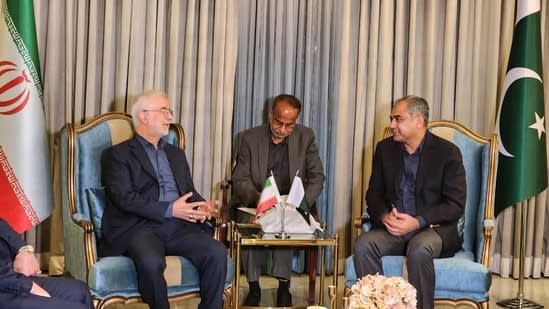
Iranian Interior Minister Eskandar Momeni has arrived in Pakistan for high-level talks with leadership amid rising regional tensions with the US. The visit aims to strengthen bilateral security and diplomatic cooperation during a period of escalating military confrontation.
Diplomatic Maneuvers Amid Regional Turbulence
Iranian Interior Minister Eskandar Momeni arrived in Islamabad on Monday, marking a critical moment for Pakistan-Iran relations as the broader Middle East faces a volatile period of instability. The visit, initiated by an invitation from Pakistan’s Interior Minister Mohsin Naqvi, comes at a time when the geopolitical landscape is shifting due to the escalating military confrontation between Tehran and the United States. While the official agenda focuses on bilateral cooperation, the backdrop of this visit is underscored by the recent loss of American lives in the region, which has led to heightened rhetoric and a declaration of a "full-scale war" environment from Iranian officials.
The Strategic Importance of the Visit
The arrival of Minister Momeni, who reportedly carried "good news" according to his counterpart Mohsin Naqvi, suggests a concerted effort to fortify the partnership between Islamabad and Tehran. Historically, Pakistan and Iran have sought to balance their regional interests while navigating the pressures exerted by Western sanctions and regional security dilemmas. By engaging in direct dialogue with Pakistan’s top leadership, including scheduled meetings with the Prime Minister and the Army Chief, Iran is likely seeking to solidify its borders and maintain a reliable diplomatic channel as its conflict with the U.S. intensifies.
Security Implications of US-Iran Tensions
The timing of this visit is not coincidental. With the U.S. identifying soldiers killed in recent attacks, the regional security architecture is under immense strain. For Pakistan, the challenge lies in maintaining its neutral stance while managing its long, porous border with Iran. Security cooperation between the two nations is vital, particularly in addressing militancy and cross-border instability that could exacerbate existing regional tensions. Strengthening this bilateral bond acts as a strategic hedge for both nations as they grapple with the unpredictable nature of the current U.S.-Iran standoff.
Regional Stability and Future Trends
Looking ahead, the "good news" hinted at by Minister Naqvi could potentially involve new security protocols, intelligence-sharing agreements, or economic initiatives designed to insulate the two nations from the fallout of the U.S.-Iran friction. As the conflict escalates, the reliance on regional neighbors becomes more pronounced. If these meetings yield tangible results, it could signal a shift toward greater regional autonomy in security matters, potentially reducing the reliance on external powers to mediate local disputes.
Conclusion: A Balancing Act
In conclusion, the visit of Minister Momeni to Pakistan is a significant diplomatic development that highlights the urgency of regional alignment. While the U.S.-Iran conflict continues to dominate the global headlines, the quiet diplomacy happening in Islamabad underscores the necessity for neighboring states to coordinate their responses. Whether this visit serves as a precursor to a broader regional security pact or remains a focused effort to manage bilateral concerns, it remains a pivotal event in the current climate of global uncertainty.
Verification Required?