Jordan Intercepts 3 Iranian Missiles | Air Defenses Activated as Regional War Escalate
Source Entity
Latest News: Today's Latest News Headlines from India & World | Hindustan Times | Hindustan Times
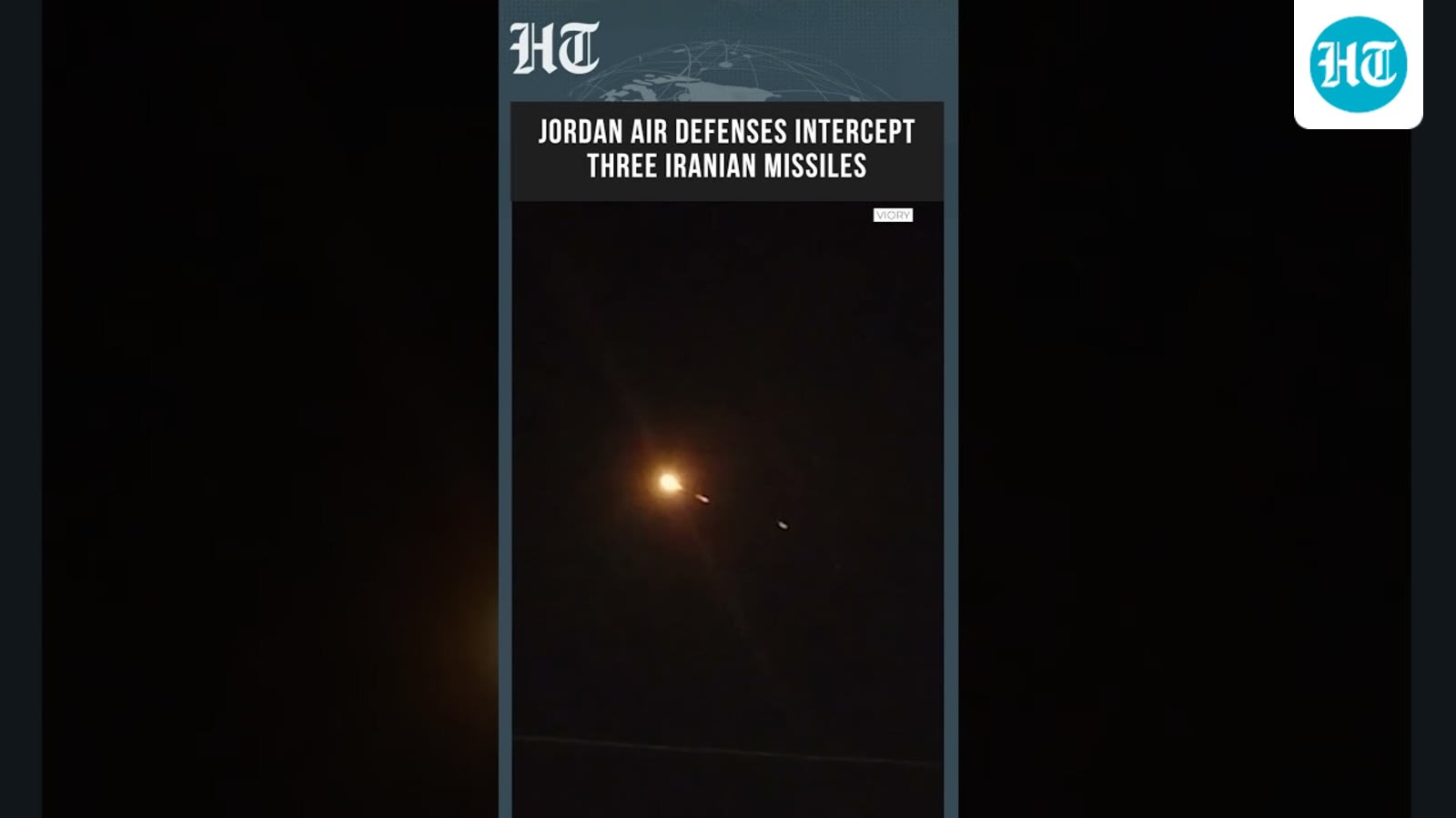
Jordan's air defense systems successfully intercepted three Iranian missiles amidst escalating regional tensions. This incident highlights the growing security threats facing neighboring countries in the ongoing US-Iran conflict.
Regional Security Breach: Jordan Intercepts Iranian Missiles
Jordan’s recent announcement that its air defense systems successfully intercepted and destroyed three Iranian missiles marks a significant escalation in the ongoing regional volatility. By taking direct action to neutralize these projectiles, Amman has demonstrated its commitment to maintaining national sovereignty and safeguarding its airspace against the spillover of broader geopolitical hostilities. This event serves as a critical indicator of how regional conflicts, specifically those involving the US-Iran dynamic, are increasingly encroaching upon the borders of neutral or non-belligerent neighboring states.
The Mechanics of Air Defense in a Changing Theater
The successful interception of these missiles underscores the operational readiness of Jordan's military infrastructure. Modern air defense systems are designed to detect, track, and neutralize high-velocity threats in seconds, a capability that is becoming essential as non-state actors and state-sponsored missile programs proliferate across the Middle East. For Jordan, this is not merely a technical success but a strategic assertion that the kingdom remains a resilient buffer in a highly unstable environment.
Contextualizing the US-Iran Conflict
This incident is intrinsically linked to the long-standing tensions between the United States and Iran. As regional actors align themselves with various ideological and political blocs, the risk of collateral damage increases exponentially. The presence of these missiles over Jordanian territory suggests that the theater of operations in the Middle East is widening, moving beyond direct US-Iran friction points to include the airspace of regional allies who are now forced into active defensive postures.
Broader Implications for Middle Eastern Stability
The interception highlights a growing trend of missile and drone warfare being utilized as a primary tool for regional power projection. As these systems become more accessible and frequently deployed, the burden on neighboring nations to maintain sophisticated, high-cost defense networks grows. This creates a cycle where regional insecurity drives military spending, potentially diverting resources from economic development and domestic stability programs.
Future Trends and Strategic Outlook
Looking forward, the frequency of such incursions is likely to dictate the future of regional security cooperation. Jordan’s defensive stance may necessitate deeper integration with international security architectures, including enhanced coordination with US assets in the region. The persistence of these threats suggests that regional powers will need to continue investing in advanced interception technology to ensure that the ongoing US-Iran conflict does not result in unintended regional escalation or civilian endangerment.
Conclusion
In summary, the interception of three Iranian missiles by Jordan is a stark reminder of the fragile peace in the Middle East. It highlights the necessity for robust national defense capabilities as regional tensions continue to spill over borders. As the international community watches these developments, the focus will remain on whether diplomatic channels can mitigate these escalations or if the region is entering a new, more volatile era of frequent, cross-border defensive engagement.
Multiple Citing Sources
Verification Required?