'Direct violation': Canada vows to protect workers after Trump slaps 50% tariffs on select goods
Source Entity
TOI BUSINESS DESK
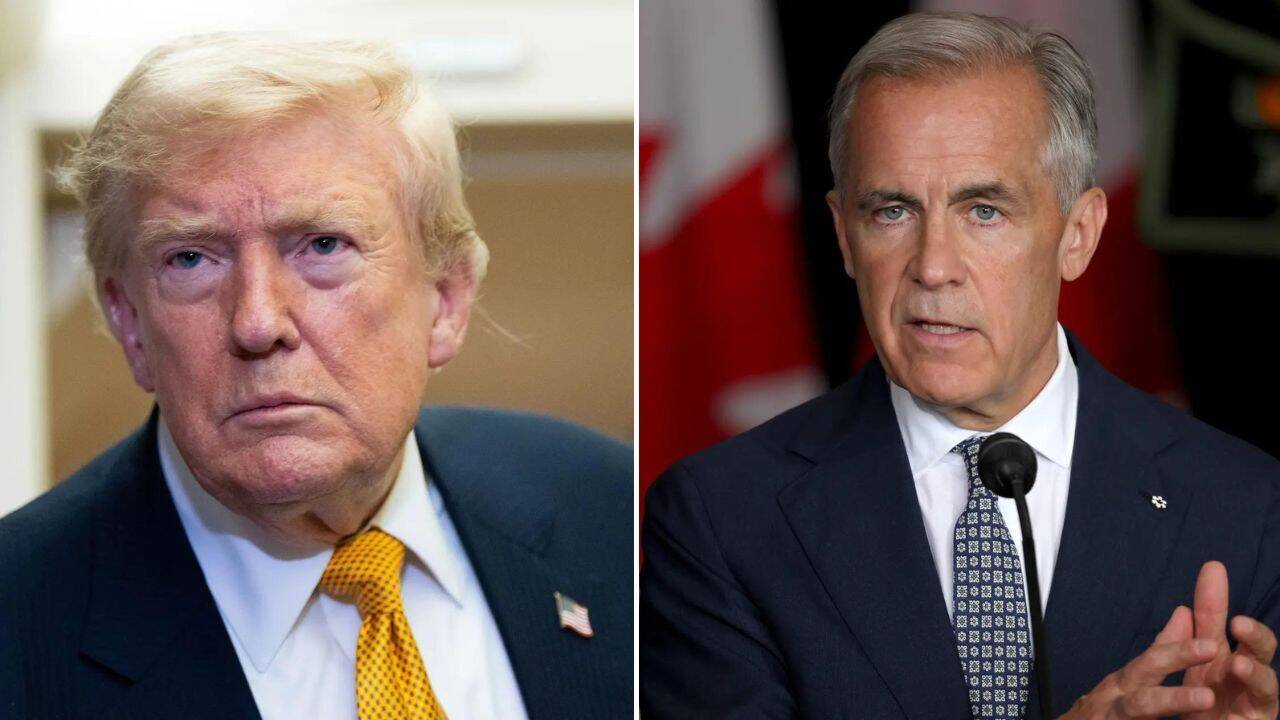
President Trump has imposed 50% tariffs on most Canadian goods, citing alleged trade discrimination against U.S. automobiles, alcohol, and dairy. This move, executed under Section 338 of the Trade Act of 1930, significantly strains bilateral relations and risks economic volatility.
Escalation of U.S.-Canada Trade Tensions
President Donald Trump has initiated a significant shift in North American trade policy by imposing 50% tariffs on a wide range of Canadian goods. This aggressive stance, enacted through three separate presidential proclamations, marks a sharp departure from the cooperative framework previously established under the United States-Mexico-Canada Agreement (USMCA). By citing systemic trade discrimination against American motor vehicles, alcohol, and dairy products, the administration is signaling a move toward a more protectionist 'leveling of the playing field.'
Legal Framework and Strategic Justification
The administration is utilizing Section 338 of the Trade Act of 1930 to justify these measures, framing them as a necessary response to Canadian retaliatory practices. Officials have explicitly linked these tariffs to the belief that Canada, much like China, has unfairly targeted U.S. industries. This legal maneuver allows the White House to bypass traditional legislative hurdles, consolidating economic authority directly within the executive branch to enforce what it describes as accountability for past trade grievances.
Scope and Economic Exemptions
While the tariffs are sweeping, the administration has carved out specific exclusions. Energy products, potash, fish, and critical minerals remain exempt from the 50% levy, likely to prevent immediate domestic supply chain shocks in the U.S. energy and manufacturing sectors. However, the inclusion of goods previously protected by the USMCA indicates a willingness to undermine established trilateral trade pacts in favor of bilateral leverage, creating immediate uncertainty for businesses that rely on integrated cross-border supply chains.
Historical Context and Environmental Tensions
The relationship between the two nations has been deteriorating for some time, exacerbated by disagreements over the trilateral trade pact and, more recently, environmental disputes. President Trump had previously threatened tariffs in response to smoke from Canadian wildfires drifting into the United States. This conflation of environmental grievances with trade policy reflects a broader, more volatile approach to diplomacy where non-economic issues are increasingly used as leverage in trade negotiations.
Future Implications and Economic Outlook
The imposition of these tariffs carries significant risks, including the potential for higher inflation within the United States as the cost of imported Canadian goods rises. Furthermore, the move threatens to unravel the deep economic integration that has historically defined the U.S.-Canada relationship. As aides explore the possibility of additional tariffs, the long-term future of the USMCA appears increasingly fragile, suggesting a period of sustained economic friction between the two North American neighbors.
Multiple Citing Sources