India summons Russian diplomat over 4 Indians killed in strike off Ukranian coast
Source Entity
TOI NEWS DESK
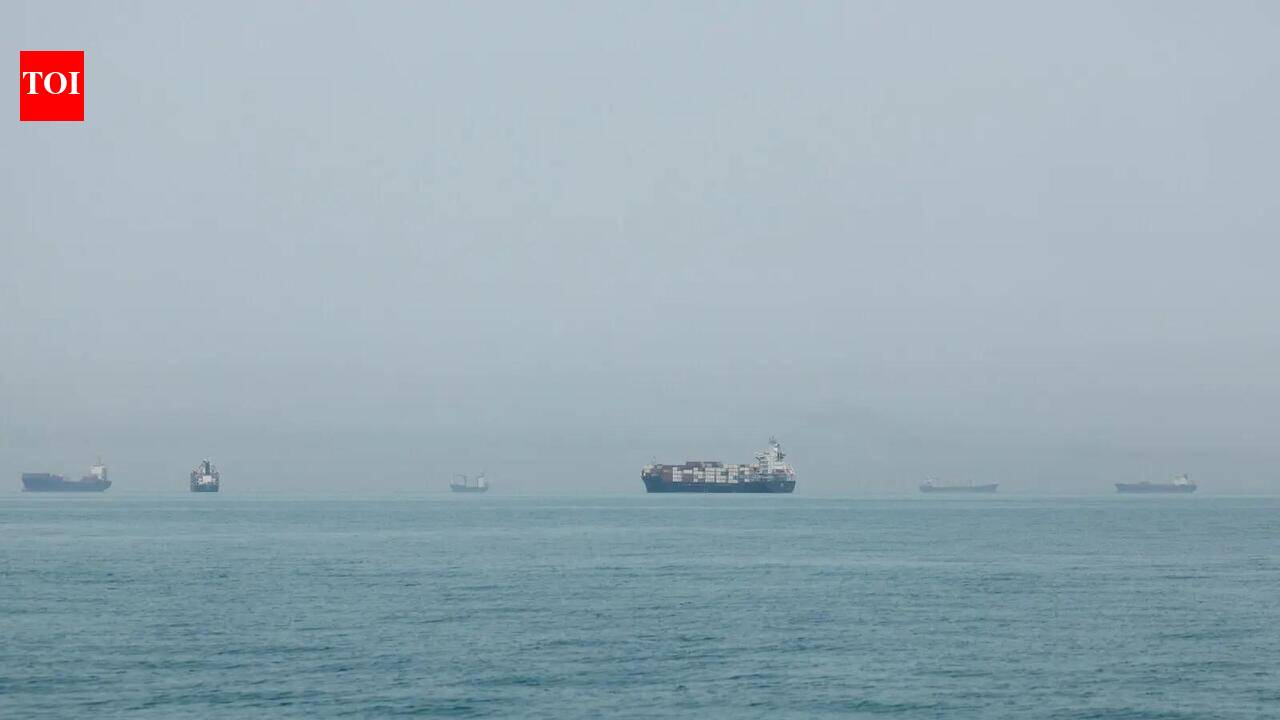
Four Indian seafarers were killed and one was injured following a targeted attack on the merchant vessel MV Golden Leo near Odessa, Ukraine. The Indian government has condemned the incident, while Ukrainian officials have attributed the strike to Russian forces amid ongoing regional tensions.
Tragedy at Sea: The Attack on MV Golden Leo
On July 19, 2026, the merchant vessel MV Golden Leo was struck while departing the port of Odessa, Ukraine, resulting in a tragic loss of life among its crew. Among the 17 individuals on board, five were Indian nationals. Reports confirm that four of these Indian seafarers, including 26-year-old Akhil Joyan from Kasaragod, Kerala, have lost their lives, while one remains hospitalized in critical condition. This incident represents a grave escalation in the risks faced by civilian mariners operating within the maritime corridors of the ongoing conflict zone.
Official Responses and Diplomatic Stance
The Indian Ministry of External Affairs (MEA) has issued a formal condemnation of the attack. In its statement, the government emphasized that targeting commercial shipping vessels is a violation of international norms and fundamentally undermines the freedom of navigation—a principle essential to global commerce. Ukrainian Acting Foreign Minister Andrii Sybiha has directly attributed the strike to Russian military forces, further complicating an already volatile geopolitical landscape. The search for five missing crew members continues, highlighting the ongoing search and rescue challenges in the Black Sea region.
The Impact on Merchant Shipping
The attack on the MV Golden Leo highlights the precarious nature of maritime logistics in areas affected by armed conflict. Merchant vessels, which are protected under international maritime law as civilian assets, are increasingly becoming collateral damage in regional power struggles. The death of civilian seafarers brings a human dimension to the broader conflict, illustrating that the dangers of modern warfare extend far beyond the front lines and into the essential supply chains that sustain international trade.
Regional Instability and Escalating Threats
The atmosphere of insecurity is further exacerbated by concurrent developments in other maritime theaters. Reports of Houthi militants declaring a naval blockade on Saudi Arabia suggest a widening of geopolitical tensions that threaten energy supplies and global trade routes. The convergence of these events creates a heightened risk environment for shipping companies, as the safety of civilian crews is increasingly compromised by non-state actors and state-led military operations alike.
Future Implications for Global Trade
Moving forward, the international community faces the daunting task of ensuring the safety of maritime corridors. The loss of life in the Odessa incident will likely lead to calls for stricter enforcement of maritime protection zones and perhaps a reassessment of insurance and security protocols for vessels operating in or near conflict zones. If merchant ships continue to be targeted, the resulting increase in risk premiums and crew safety concerns could lead to significant disruptions in the flow of goods, particularly for commodities originating from Black Sea ports.
Conclusion: A Call for Accountability
As the investigation into the destruction of the MV Golden Leo proceeds, the focus remains on the recovery of the missing crew and the accountability of those responsible for the strike. The tragedy serves as a somber reminder of the vulnerabilities inherent in global maritime trade. International maritime bodies and concerned nations must prioritize the protection of civilian mariners, ensuring that the high seas remain a space for commerce rather than a theater for military aggression.
Multiple Citing Sources