Saudi-led coalition in Yemen vows to protect ships from Houthis amid maritime blockade threats
Source Entity
Latest News: Today's Latest News Headlines from India & World | Hindustan Times | Hindustan Times
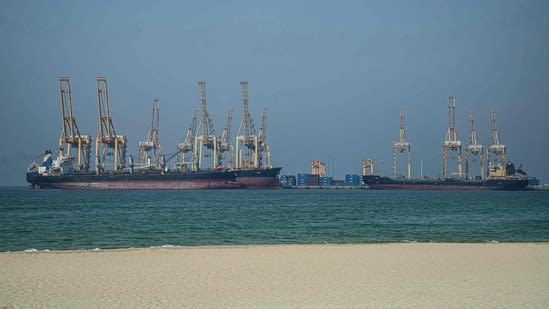
Yemen's Houthi rebels have announced a maritime blockade on Saudi-bound vessels in retaliation for the siege of Sana'a. This escalation threatens global energy supplies and has triggered a defensive response from the Saudi-led coalition to secure Red Sea shipping lanes.
The Escalation of the Red Sea Crisis
The geopolitical landscape of the Middle East has reached a critical inflection point as Yemen’s Houthi rebels formally announced a maritime blockade targeting Saudi Arabian trade. This aggressive maneuver, confirmed by Houthi spokesman Yahya Saree, marks a significant expansion of the conflict between the Iran-backed group and the Saudi-led coalition. By targeting the flow of maritime traffic, the Houthis are attempting to exert direct economic pressure on their regional adversaries, citing the ongoing siege of the Yemeni capital, Sana’a, as the primary justification for this escalation.
Strategic Implications of the Maritime Blockade
The threat to the Red Sea shipping lanes carries profound implications for global energy security. With millions of barrels of oil transiting these waters daily, the Houthi blockade is not merely a regional skirmish but a potential catalyst for global market volatility. The Saudi-led coalition has responded by vowing to protect vessels sailing through the region, setting the stage for a high-stakes naval standoff. The ability of the coalition to maintain the security of these critical arteries remains a central concern for international trade partners.
The Cycle of Retaliation
This current blockade is the culmination of a deteriorating security environment, characterized by a rapid cycle of tit-for-tat violence. The sequence began with Saudi-led strikes on Sana’a airport, which prompted immediate Houthi retaliation. This dynamic is further complicated by concurrent reports of Iranian-led strikes on U.S. and allied assets in the Gulf, suggesting that the Houthi actions are part of a broader, multi-front challenge to the existing regional security architecture. The convergence of these events indicates that the conflict has moved beyond internal Yemeni borders into a wider theater of regional confrontation.
Historical Context and Regional Dynamics
The Houthis, a group originating from Yemen’s north, have significantly increased their military capabilities over the course of the long-standing conflict. Their ability to threaten maritime commerce demonstrates an evolution in their tactical approach, shifting from internal insurgency to leveraging their geographic position along vital shipping routes. This shift poses a direct challenge to the Saudi-led coalition’s efforts to maintain regional stability and project power, fundamentally altering the calculus for all involved parties.
Future Trends and Market Stability
Looking ahead, the stability of the Bab al-Mandeb strait and surrounding waters will depend on the effectiveness of the Saudi-led coalition's protective measures and the extent of the Houthis' resolve. Should the blockade persist or intensify, energy markets will likely experience sustained upward pressure on prices, reflecting the increased risk premium associated with shipping through the region. The international community will remain on high alert, as any further escalation could force a deeper military involvement from global powers tasked with ensuring the freedom of navigation in these critical waters.
Multiple Citing Sources
Verification Required?