Four Indian seafarers killed near Ukrainian port Odessa
Source Entity
India Latest News: Top National Headlines Today & Breaking News | The Hindu
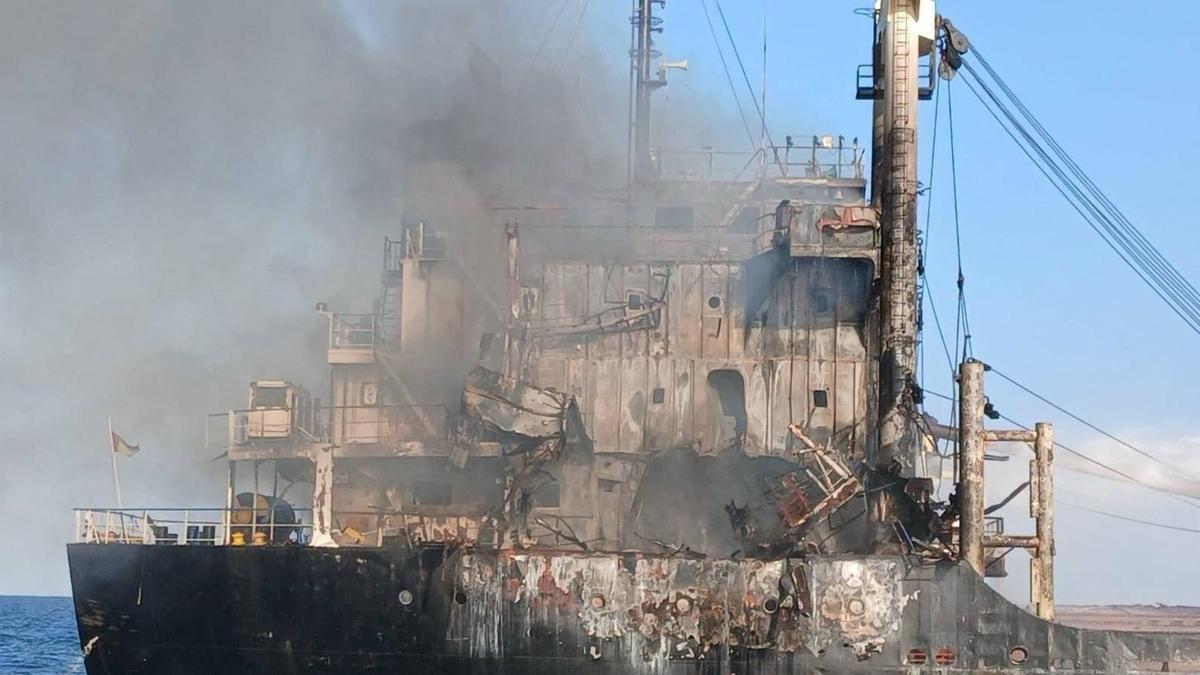
Four Indian sailors were killed and one remains critically injured following an attack on the merchant vessel MV Golden Leo near the Ukrainian port of Odesa. The Indian government has strongly condemned the strike, while Ukrainian officials report that five additional crew members are still missing.
Tragedy in the Black Sea: Attack on MV Golden Leo
On July 19, 2026, the merchant vessel MV Golden Leo was struck while departing the Ukrainian port of Odesa, resulting in a tragic loss of life among its crew. Among the 17 individuals on board, five were Indian nationals. Official reports confirm that four of these Indian seafarers were killed, and one remains hospitalized in critical condition. This incident highlights the escalating dangers faced by commercial shipping in the Black Sea region, a critical corridor for global trade that remains heavily impacted by the ongoing conflict between Russia and Ukraine.
India’s Diplomatic Stance
The Ministry of External Affairs (MEA) of India issued a stern condemnation of the attack on Monday, July 20, 2026. India’s stance emphasizes the sanctity of international maritime law, specifically the principle of freedom of navigation. By condemning the targeting of a merchant vessel, New Delhi has underscored the vulnerability of civilian crews caught in the crossfire of geopolitical conflicts. The Indian mission in Ukraine is currently working to provide all necessary assistance to the victims and their families, coordinating closely with local authorities to manage the aftermath of this assault.
The Security Situation in Odesa
Ukrainian Acting Foreign Minister Andrii Sybiha has directly attributed the attack to Russian forces. The port of Odesa, a vital hub for grain exports and maritime logistics, has been a frequent theater of military engagement since the onset of the war. The attack on the MV Golden Leo is a grim reminder that despite various attempts to establish safe corridors for shipping, the Black Sea remains a high-risk zone. The fact that the vessel was targeted while departing the port suggests a deliberate escalation in the efforts to restrict maritime traffic in the region.
Broader Implications for Global Shipping
This event carries significant weight for the global maritime industry. Merchant vessels, which are neutral by nature, are increasingly becoming collateral damage in regional conflicts. The loss of life in this incident may lead to higher insurance premiums for vessels operating in the Black Sea and could force shipping companies to reconsider routes, further straining supply chains that rely on Ukrainian ports. The security of seafarers has become a primary concern for international labor organizations, as attacks on civilian ships violate long-standing norms of maritime warfare.
Future Trends and Diplomatic Challenges
Looking ahead, this incident will likely trigger renewed pressure for international oversight of Black Sea shipping routes. As the search continues for the five missing crew members, the diplomatic fallout between India, Ukraine, and Russia will intensify. India, maintaining a policy of strategic autonomy, faces the difficult task of protecting its citizens while balancing its complex relationships with the involved parties. The incident serves as a stark warning that the risks associated with the conflict in Ukraine are not confined to land, but continue to pose a lethal threat to international civilian personnel on the high seas.
Multiple Citing Sources
Verification Required?