Houthis stop trade for biggest rival as war begins; before Bab Al Mandeb strait, MBS' ports blocked?
Source Entity
Latest News: Today's Latest News Headlines from India & World | Hindustan Times | Hindustan Times
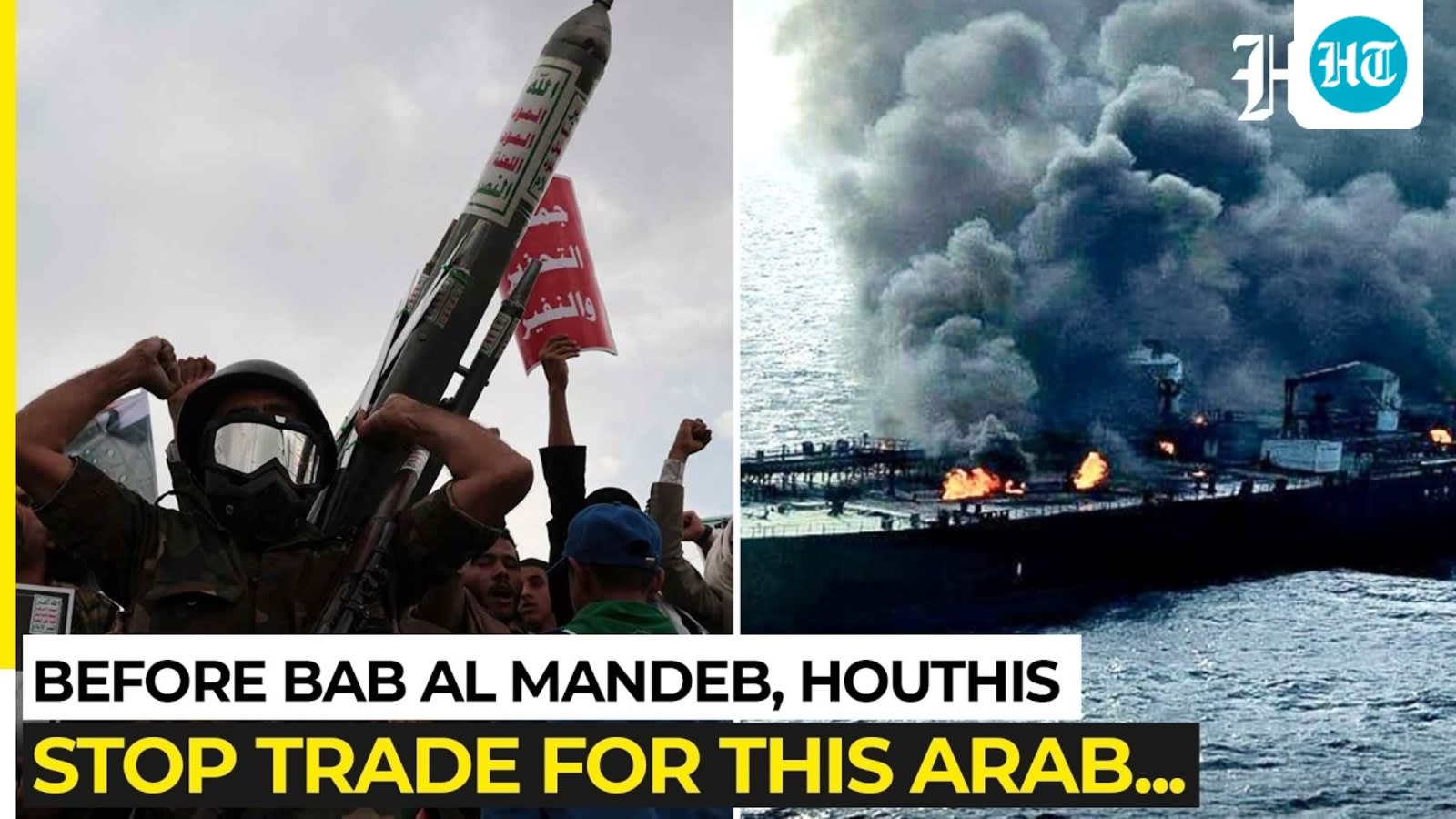
Yemen's Houthi rebels have escalated regional tensions by announcing a naval blockade and targeting Saudi Arabian ports. This move follows a series of retaliatory strikes involving Saudi Arabia, Iran, and U.S. assets, threatening global energy security.
The Escalation of the Red Sea Conflict
The security landscape in the Middle East has entered a period of extreme volatility following the announcement by Yemen’s Houthi rebels of a naval blockade targeting Saudi Arabian ports. This development marks a significant shift in the regional power struggle, moving from localized strikes to a direct challenge against maritime trade and economic infrastructure. By targeting Saudi ports, the Houthis are attempting to exert pressure on their primary rival, signaling a transition into a more aggressive phase of the ongoing conflict.
The Sequence of Hostilities
This escalation did not occur in a vacuum; it is the culmination of a rapid, tit-for-tat cycle of violence. The current blockade was precipitated by Saudi-led coalition strikes on the Sanaa airport, which the Houthis characterized as an act of war necessitating retaliation. Simultaneously, the broader region is witnessing heightened instability as Iran has reportedly conducted strikes against U.S. and allied assets in the Gulf. This multi-front friction suggests a coordinated or at least overlapping intensification of hostilities involving several major regional actors.
Strategic Implications of the Blockade
By attempting to restrict access to ports, the Houthi movement is weaponizing geography. The Red Sea and the Bab al-Mandab Strait represent some of the world's most critical maritime chokepoints. Any disruption here does not merely affect Saudi Arabia; it threatens to strangle the flow of global energy supplies and commercial goods. The blockade strategy seeks to transform the local Yemen conflict into an international crisis, forcing global powers to contend with the potential for massive economic disruption.
Impact on Global Energy Markets
The threat to Saudi ports is inherently a threat to global energy stability. As a primary exporter of oil, any interference with the kingdom's logistical capabilities can trigger immediate volatility in oil futures and global commodity prices. Markets are highly sensitive to disruptions in the Gulf, and the prospect of a sustained blockade creates a risk premium that could drive up inflation and fuel costs worldwide, impacting both developed and emerging economies.
Regional Security and Future Trends
The involvement of Iranian-backed groups in strikes on U.S. and allied assets highlights the precarious nature of international security in the region. The trend points toward a more fragmented and dangerous operational environment where non-state actors possess the capability to disrupt global trade routes. Moving forward, the international community will likely face pressure to bolster maritime security, potentially increasing the naval presence of Western powers in the Red Sea to ensure the freedom of navigation.
Conclusion
The current situation represents a dangerous convergence of proxy warfare, maritime insecurity, and energy market vulnerability. As the Houthis escalate their rhetoric and actions against Saudi infrastructure, the risk of a broader regional conflagration remains high. The international response to these events will be critical in determining whether the conflict remains contained or spirals into a wider, more devastating confrontation that threatens global economic stability.
Verification Required?