Trump's America bamboozled? The secret $50 million campaign Israel didn't want you to notice
Source Entity
Latest News: Today's Latest News Headlines from India & World | Hindustan Times | Hindustan Times
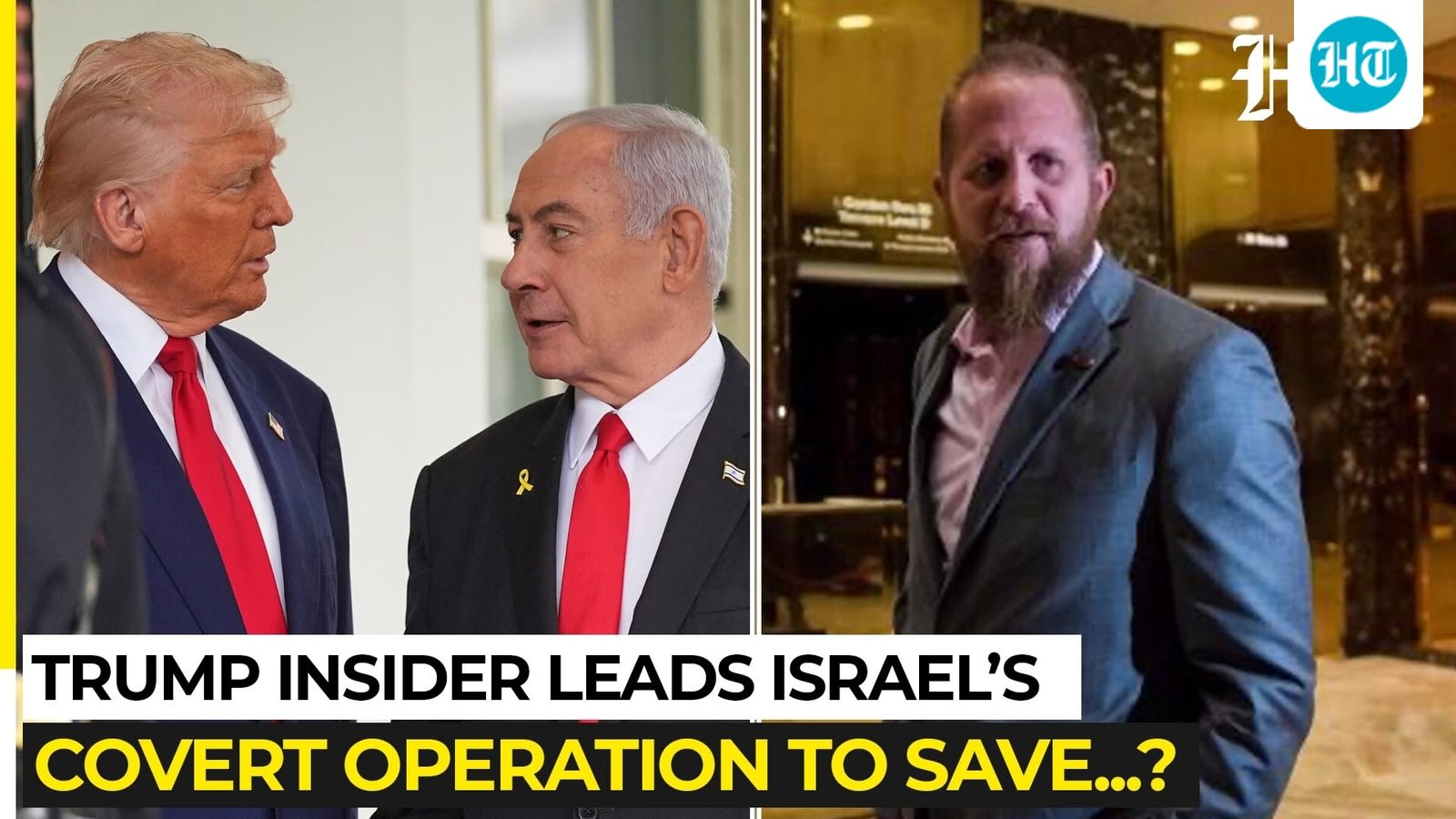
Israel reportedly launched a $50 million digital campaign to rebuild US support amid criticism over the Gaza war. The effort utilized AI, conservative media, and strategists like Brad Parscale to shape online narratives and influence AI chatbots.
The Digital Front: Analyzing Israel's $50 Million US Influence Operation
In an era where geopolitical conflicts are fought as much in the digital information space as they are on the ground, a recent report from The Wall Street Journal has unveiled a sophisticated, high-budget effort by Israel to reshape American public opinion. Amidst mounting international and domestic criticism regarding the conduct of the Gaza war, the Israeli government reportedly deployed a $50 million campaign specifically designed to bolster support within the United States. This operation represents a strategic pivot toward "algorithmic warfare," where the goal is not merely to present a narrative, but to engineer the digital environment in which that narrative is consumed.
The Architecture of Digital Persuasion
The scale of this campaign—$50 million—indicates a high-priority strategic objective. According to the reports, the operation did not rely on traditional diplomacy alone but instead integrated a multifaceted digital toolkit. This included the deployment of AI-generated messaging and the creation of new websites designed to steer online conversations in a favorable direction. By utilizing influencers and tailored content, the campaign sought to bypass traditional journalistic filters, delivering curated messages directly to targeted demographics. This approach leverages the "echo chamber" effect of social media, ensuring that pro-Israel narratives are amplified while critical voices are marginalized through sheer volume and algorithmic preference.
Political Synergy and the Role of Brad Parscale
A critical component of this strategy was the alleged involvement of Brad Parscale, a former strategist for Donald Trump's campaign. Parscale's role, operating through the Salem Media Group, suggests a calculated effort to penetrate conservative American circles. Salem Media Group is a powerhouse in conservative broadcasting and publishing, providing a direct pipeline to a demographic that has historically been the most steadfast supporter of Israel in the US. By employing a strategist known for data-driven digital targeting, the campaign likely sought to optimize its messaging to resonate with specific ideological triggers, ensuring the $50 million investment yielded maximum impact among right-leaning voters and policymakers.
The New Frontier: Influencing AI Chatbots
Perhaps the most innovative and concerning aspect of the reported campaign is the attempt to influence the responses of major AI chatbots. As millions of users move away from traditional search engines and toward Large Language Models (LLMs) for information, the "truth" is increasingly defined by the training data and reinforcement learning of these bots. By attempting to manipulate how AI chatbots respond to queries about the Gaza war, the campaign aimed to bake its preferred narrative into the very infrastructure of modern information retrieval. This represents a shift from traditional propaganda to "infrastructure influence," where the goal is to ensure that the automated summaries provided to users are skewed toward a specific geopolitical viewpoint.
Broader Implications for Democratic Discourse
The use of state-funded, covert influence operations within a democratic ally's borders raises significant ethical and political questions. When a foreign government spends tens of millions to shape the internal discourse of another nation—especially through the use of AI and "secret" campaigns—it challenges the notion of organic public opinion. The reliance on AI-generated content further complicates the landscape, as it becomes increasingly difficult for the average citizen to distinguish between genuine grassroots support and a manufactured consensus created by a well-funded government apparatus.
Future Trends in Diplomatic Hasbara
Looking forward, this event signals a new blueprint for "Hasbara" (Israel's public diplomacy). We are likely to see an increase in the professionalization of digital influence, where governments hire political consultants and AI experts to manage their global image. As AI continues to evolve, the battle for the "algorithmic soul" of the internet will intensify. Future campaigns will likely move beyond simple bot farms to more complex, generative AI personas that can engage in nuanced, long-form debates with users in real-time, further blurring the line between diplomacy and psychological operations.
Conclusion
Israel's reported $50 million campaign is a testament to the evolving nature of power in the 21st century. By combining the political expertise of figures like Brad Parscale with the cutting-edge capabilities of AI and targeted media networks, the operation sought to neutralize criticism of the Gaza war and secure a favorable American narrative. While the financial investment was massive, the true impact lies in the strategic attempt to control the digital gateways of information, from conservative media outlets to the AI chatbots that are redefining how we perceive global events.
Verification Required?