US soldier killed and one injured after Iranian attack in Iraq
Source Entity
BBC News
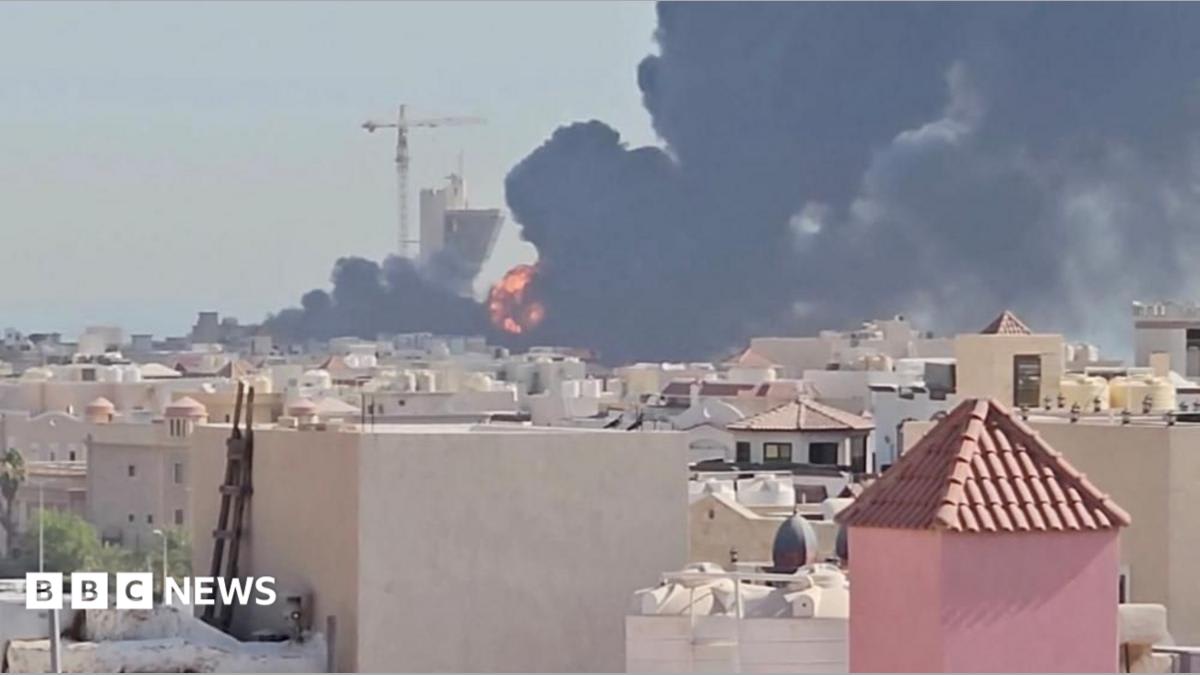
Two US service members were killed and one remains missing following an Iranian ballistic missile and drone attack on a military base in Jordan. The incident marks a significant escalation in regional hostilities, prompting retaliatory strikes from US Central Command.
Escalation in the Middle East: US Forces Targeted in Jordan
The security landscape in the Middle East has shifted dramatically following a lethal Iranian ballistic missile and drone attack on a US military base in Jordan. The Pentagon has confirmed that two American service members were killed during the assault, while a third remains missing. This incident represents a sobering milestone in the ongoing regional volatility, marking the first time US troops have been killed by direct Iranian fire since the onset of the current conflict.
The Mechanics of the Attack and Immediate Response
According to reports from the US Central Command (Centcom), the attack occurred on Friday as US and partner forces were engaged in defensive operations against a coordinated barrage of projectiles. While Jordanian military sources noted that their own systems intercepted 10 missiles within their airspace, the precision of the Iranian strike on the base resulted in the aforementioned casualties. Additionally, four US service members required medical evacuation to local hospitals, though they have since been discharged and returned to duty.
Strategic Implications and Retaliation
The strike on the base is not an isolated event but rather part of a broader pattern of re-escalated hostilities between Washington and Tehran. In response to the attack, US Central Command has initiated retaliatory measures, launching strikes specifically targeting Iranian surveillance infrastructure and military installations. These actions highlight the fragile state of deterrence in the region, as both nations exchange fire across the Gulf and neighboring territories.
Historical Context and Regional Instability
This latest tragedy brings the total number of US service members killed in the conflict to at least 16, with over 430 reported injuries. The backdrop of these tensions includes increasing pressure on maritime security, with the conflict actively disrupting shipping lanes through the critical Strait of Hormuz. Iran’s rhetoric has remained bellicose, with warnings of "unforgettable lessons" directed at the United States should operations continue, signaling that Tehran is prepared to sustain this high-stakes confrontation.
Future Trends and Geopolitical Outlook
The immediate future remains fraught with uncertainty. As the US assesses the losses and continues to calibrate its military response, the risk of miscalculation remains high. The inability of existing diplomatic channels to de-escalate the situation suggests that the region will continue to face direct military engagements. Observers are closely watching for signs of further mobilization or shifts in Iranian proxy activity, as the international community balances the need for regional stability with the realities of an increasingly kinetic confrontation.
Multiple Citing Sources