US Launches New Strikes To "Swiftly Punish" Iran After 2 Troops Killed In War
Source Entity
NDTV News Search Records Found 1000
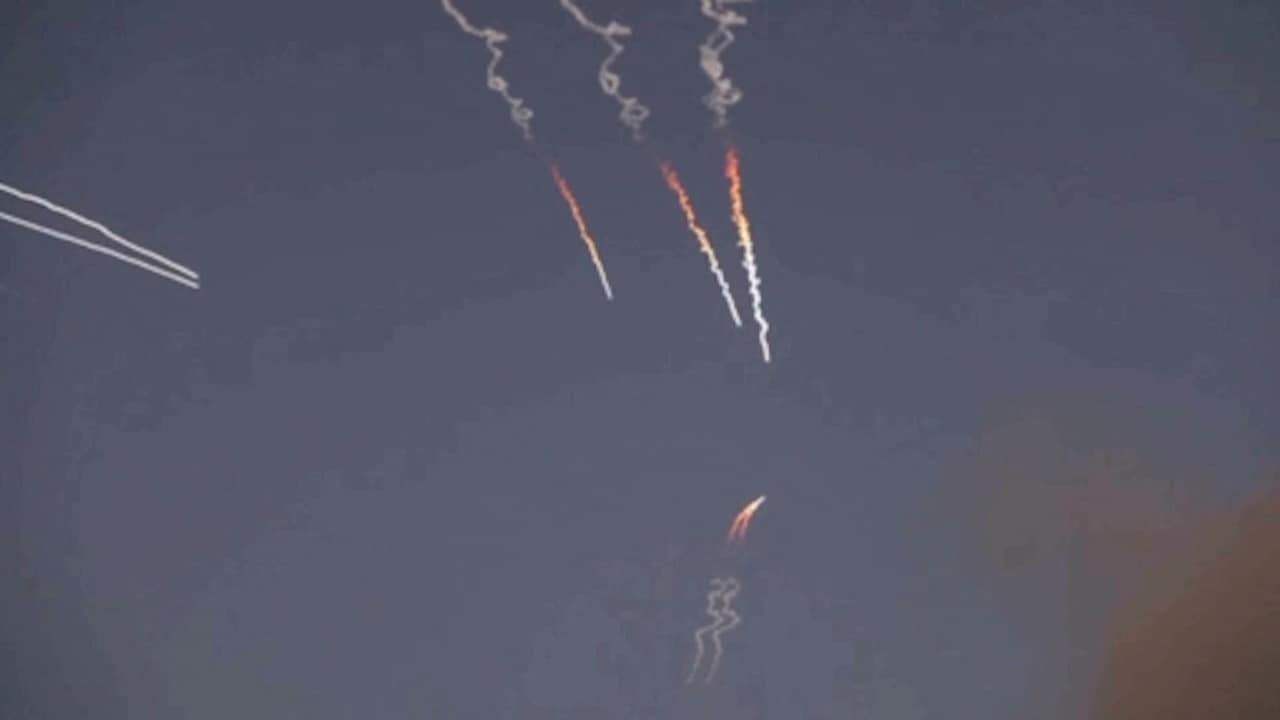
Two US service members were killed and one remains missing following Iranian ballistic missile and drone attacks on a military base in Jordan. This escalation marks the first direct Iranian fire casualties for the US since the start of the conflict, raising the total US death toll to 16.
Escalation in the Middle East: Analysis of Iranian Strikes in Jordan
On Friday, the geopolitical tension between the United States and Iran reached a critical inflection point following a series of ballistic missile and drone attacks targeting a US military base in Jordan. The Pentagon has confirmed that two US service members were killed and one remains missing in the aftermath of the assault. This incident represents a significant escalation in hostilities, shifting the conflict from a predominantly proxy-led confrontation to direct military engagements between two major powers.
Tactical Breakdown and Immediate Response
The attack involved a coordinated barrage of Iranian drones and ballistic missiles. While the US and partner forces worked to defend the base, the casualties underscore the lethality of the Iranian strike capability. Beyond the fatalities, the US Central Command (Centcom) reported that four service members required medical evacuation to Jordanian hospitals, though they have since been discharged. Other personnel sustained minor injuries and have already returned to active duty. Simultaneously, Jordan's own military played a crucial role in regional defense, reporting the successful interception of 10 Iranian missiles fired into its airspace, which prevented further damage to Jordanian infrastructure.
The Strategic Shift to Direct Engagement
Perhaps the most alarming aspect of this event is its historical and strategic significance. According to military officials, these are the first American troop deaths resulting from direct Iranian fire since the opening days of the war. For years, the US-Iran conflict has largely played out through intermediaries and regional proxies; however, the direct targeting of US personnel in Jordan signals a breakdown in the previous "shadow war" dynamics. This transition to direct kinetic action increases the risk of a full-scale regional war and complicates diplomatic efforts to maintain stability in the Gulf region.
A Cycle of Retaliation and Warning
The strikes in Jordan did not occur in a vacuum but are part of a broader cycle of re-escalated hostilities. Iran has explicitly warned the United States of "unforgettable lessons" should US operations continue, framing their attacks as a response to American presence and actions. In return, US Central Command has not remained passive, conducting strategic strikes targeting Iranian surveillance and infrastructure sites. This "tit-for-tat" exchange creates a dangerous feedback loop where each side feels compelled to respond with increasing force to maintain deterrence.
Economic Implications and Global Stability
The ripples of this military conflict are extending far beyond the battlefield. The reports indicate that the ongoing hostilities have already disrupted shipping through the Strait of Hormuz, one of the world's most vital maritime chokepoints for global oil and gas supplies. Any prolonged instability in this region threatens global energy security and could lead to increased volatility in international markets. The intersection of military strikes in Jordan and maritime disruption in the Gulf suggests a coordinated Iranian strategy to apply pressure on the US through both military and economic channels.
Conclusion: The Human Cost and Future Outlook
The human cost of this escalation is mounting, with the US death toll in the conflict now rising to 16, including a Navy pilot who went missing earlier this month. The fact that the identities of the two deceased service members in Jordan have not yet been released suggests a high level of operational sensitivity. Moving forward, the trajectory of this conflict will likely depend on whether the US and Iran can establish a new ceiling for escalation or if the current path of direct fire and infrastructure strikes leads to an uncontrollable regional conflagration.
Multiple Citing Sources
Verification Required?