Delayed Orders, Missing Gear: What Hindered Venezuela's Quake Response
Source Entity
NDTV News Search Records Found 1000
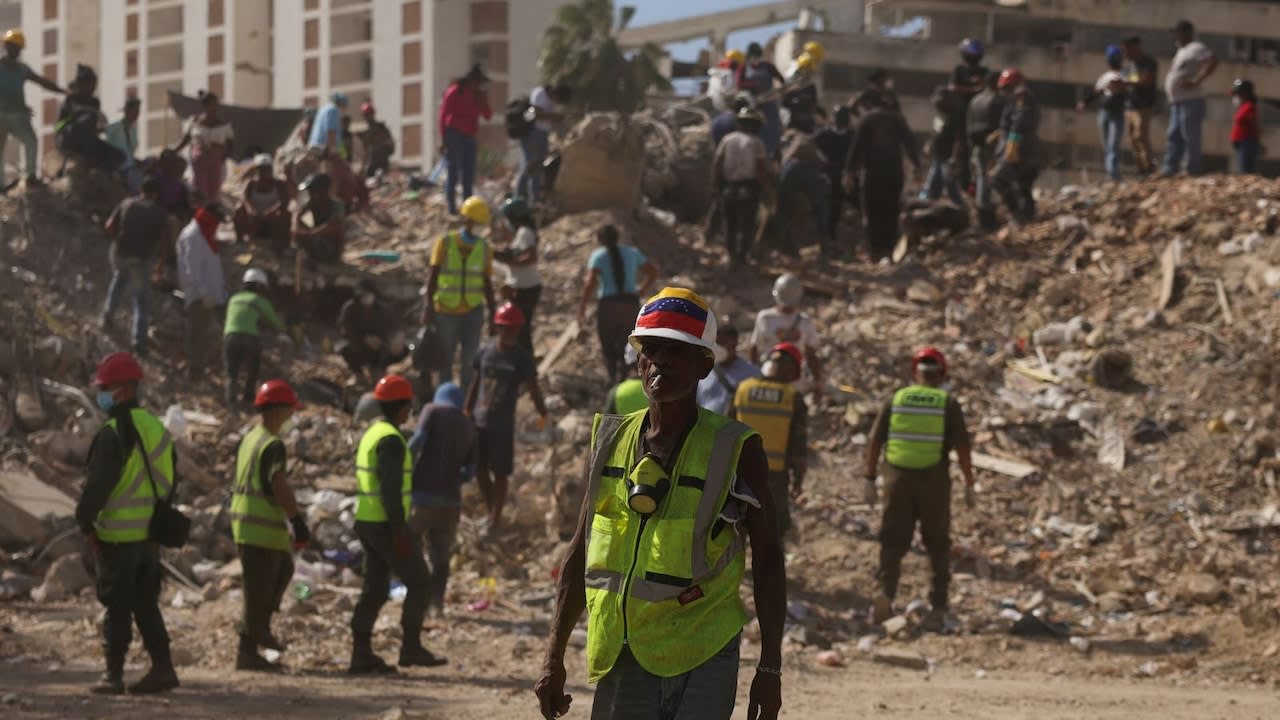
Venezuela's earthquake response was significantly hindered by a limited presence of security forces. This failure was attributed to critical delays in the issuance of deployment orders.
Analysis of Venezuela's Earthquake Response Failures
The Impact of Deployment Coordination
The provided reports highlight a critical failure in the immediate aftermath of an earthquake in Venezuela. The central issue identified was the limited presence of security forces at the disaster sites. In seismic events, the first few hours—often referred to as the 'golden hour'—are the most vital for search and rescue operations. The reports explicitly state that this lack of manpower was the direct result of delays in deployment orders, suggesting a breakdown in the command and control structure.
Systemic Bottlenecks in Crisis Management
The delay in deployment orders indicates a significant administrative or bureaucratic bottleneck. In high-stakes disaster scenarios, the time elapsed between the occurrence of the event and the mobilization of security forces can be the difference between life and death. When security forces are held back by pending orders, it suggests a centralized decision-making process that lacked the agility required for rapid emergency response.
Logistical and Operational Deficiencies
Beyond the timing of orders, the headline references "missing gear," which implies that the response was not only slow but also under-equipped. The synergy between timely deployment and the availability of specialized equipment is essential for effective disaster mitigation. The combination of delayed orders and missing gear suggests a systemic readiness failure within the security apparatus, limiting their ability to perform essential rescue and stabilization tasks.
Conclusion and Future Implications
The hindered response in Venezuela serves as a stark reminder of the necessity for decentralized response protocols. To prevent similar failures in the future, the transition toward pre-authorized deployment triggers—where security forces can mobilize based on seismic intensity rather than waiting for manual orders—would be a critical improvement. Ensuring that gear is pre-positioned and orders are streamlined is essential for reducing casualties in future natural disasters.
Verification Required?