US military death toll in Iran war rises to 16 after two troops killed in Jordan
Source Entity
TOI WORLD DESK
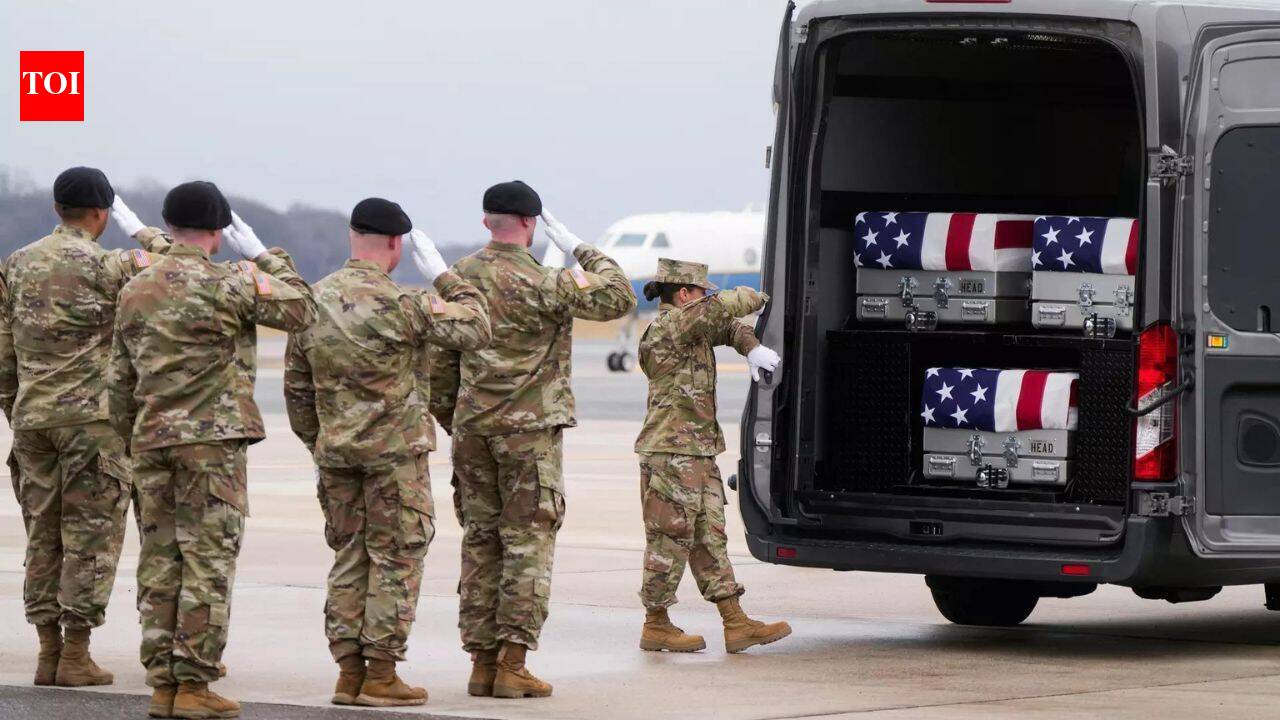
Two US service members were killed and one remains missing following Iranian ballistic missile and drone attacks on a military base in Jordan. This event marks the first instance of American troop deaths from direct Iranian fire since the start of the conflict.
Escalation in the Gulf: Analysis of Iranian Strikes in Jordan
The recent ballistic missile and drone assaults launched by Iran against a US military base in Jordan represent a critical turning point in the ongoing regional hostilities. According to reports from the Pentagon and US Central Command (Centcom), two US service members were killed and one remains missing following the Friday attacks. While Jordan's military successfully intercepted 10 Iranian missiles, the breach in defenses led to casualties that underscore the volatility of the current security environment in the Gulf region.
A Shift in Direct Engagement
What makes this incident particularly alarming is its strategic nature; these are the first American troop deaths resulting from direct Iranian fire since the opening days of the war. Previously, hostilities often played out through proxies or indirect engagements, but the use of ballistic missiles and drones targeting a specific US base indicates a shift toward more overt aggression. The fact that four other service members required medical evacuation to Jordanian hospitals, although they have since been discharged, highlights the intensity of the assault and the vulnerability of regional hubs to sophisticated Iranian weaponry.
US Strategic Response and Retaliation
In immediate response to the aggression, the US Central Command conducted targeted strikes against Iranian surveillance and infrastructure sites. This 'tit-for-tat' cycle of violence is exacerbated by Tehran's explicit warnings of "unforgettable lessons" should US operations continue. By targeting surveillance capabilities, the US is likely attempting to blind Iranian intelligence to prevent further precision strikes, yet such actions often fuel the cycle of escalation rather than deterring it.
Regional Instability and Economic Fallout
Beyond the immediate military casualties, the conflict is radiating outward to affect global commerce. The reports indicate that hostilities have disrupted shipping through the Strait of Hormuz, one of the world's most vital oil transit chokepoints. When military tensions between the US and Iran spill over into maritime corridors, it creates a ripple effect that impacts global energy prices and supply chain stability, transforming a localized military clash into a broader economic concern.
The Rising Human Cost
The human toll of this conflict is mounting steadily. With the latest casualties in Jordan and the disappearance of an American Navy pilot earlier this month, the US death toll has risen to 16. The lack of immediate disclosure regarding the identities of the deceased troops suggests a period of operational sensitivity as the Pentagon assesses the full scope of the intelligence failure that allowed these strikes to reach their targets.
Future Outlook and Conclusion
The trajectory of this conflict suggests a precarious future where the threshold for direct engagement has been lowered. As Iran continues to utilize drone and missile technology to challenge US presence in the Gulf, the US is forced to balance the need for deterrence with the risk of a full-scale war. Unless a diplomatic off-ramp is found, the pattern of targeted infrastructure strikes and retaliatory fire is likely to persist, further destabilizing Jordan and the wider Middle East.
Multiple Citing Sources