Iran slams the door on US diplomacy, plots revenge after Trump reignites war amid negotiations
Source Entity
Latest News: Today's Latest News Headlines from India & World | Hindustan Times | Hindustan Times
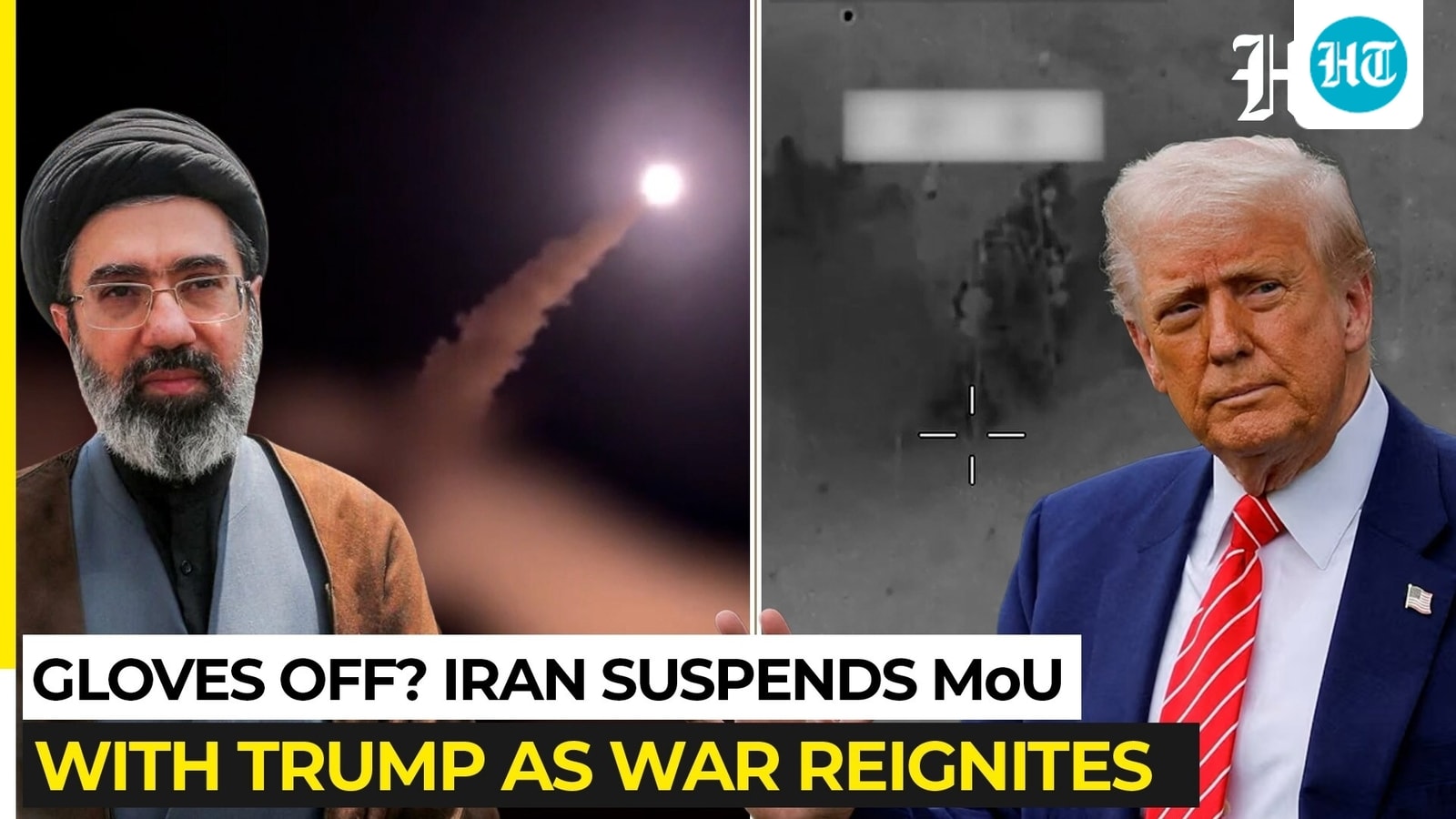
Iran's Supreme Leader Mojtaba Khamenei has declared US agreements invalid, citing military strikes as a breach of trust. Tehran has suspended its commitments and vowed retaliation, signaling a collapse in diplomatic efforts.
The Collapse of Iran-US Diplomacy
The recent escalation between Iran and the United States marks a significant turning point in regional stability. Supreme Leader Mojtaba Khamenei has formally declared the memorandum of understanding between the two nations as "worthless and invalid," signaling a complete breakdown in the fragile diplomatic framework that had previously sought to temper tensions. By labeling the United States as "Satan" and promising "unforgettable lessons," the Iranian leadership has moved away from negotiation-based discourse, pivoting instead toward an aggressive stance of national defense and potential retaliation.
The Trigger: Breach of Agreement
At the core of this conflict lies the accusation by Tehran that the United States has repeatedly violated the terms of their interim agreement through ongoing military strikes. Iran contends that these actions have rendered the memorandum of understanding moot. Consequently, Iran has suspended its compliance with these commitments, effectively closing the door on current diplomatic channels. This move underscores a deep-seated lack of trust and suggests that Tehran views the current US administration's signature on international documents as unreliable.
Escalating Military Hostilities
The situation has rapidly devolved into a cycle of kinetic warfare, with both nations exchanging strikes on military and infrastructure targets. This shift from diplomatic posturing to direct military confrontation creates a precarious environment across the Gulf. As Tehran shifts its primary focus toward defense and retaliation, the risk of miscalculation increases, potentially drawing other regional players into a broader conflict that neither side seems prepared to de-escalate.
Global Implications and Energy Security
Beyond the immediate bilateral conflict, the instability in the Gulf poses a grave threat to global energy supplies. The region is a critical artery for international oil and gas transit; sustained hostilities threaten to disrupt these flows, likely leading to price volatility in global markets. The international community is watching with concern as the suspension of commitments threatens to dismantle years of effort aimed at preventing a full-scale regional war.
Future Trends and Strategic Outlook
Looking ahead, the rhetoric coming from Tehran suggests a protracted period of confrontation. Without a mechanism for dialogue, the focus has shifted entirely to military posturing and tactical strikes. Experts anticipate that as long as the current cycle of "unforgettable lessons" continues, the prospects for a return to the negotiating table remain slim. The path forward will likely be defined by how each nation manages its strategic assets in the Gulf, with the shadow of potential retaliatory strikes looming over all future diplomatic or economic interactions.
Multiple Citing Sources
Verification Required?