'Doomsday Glacier' melting faster than expected, study warns
Source Entity
Latest News: Todays Latest News Headlines from India & World | Hindustan Times | Hindustan Times
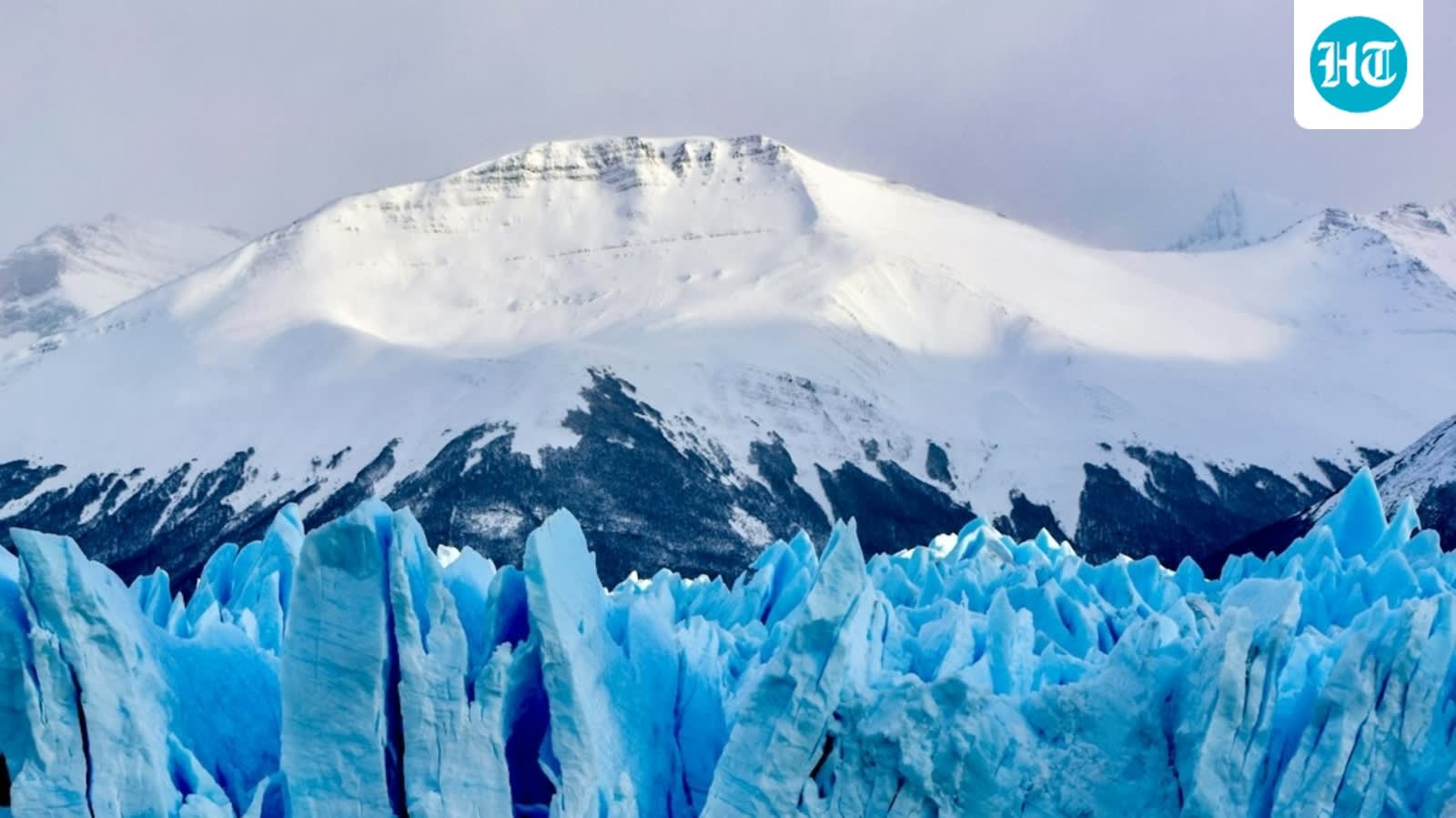
New research reveals that Antarctica's Thwaites Glacier is melting more rapidly than previously projected. Scientists warn that its potential collapse could lead to double the expected global sea level rise.
The Accelerating Crisis of the Thwaites Glacier
Recent scientific findings have brought the precarious state of the Thwaites Glacier, often referred to as the "Doomsday Glacier," back into the global spotlight. New research conducted by a collaborative team from the University of California, Irvine, and NASA’s Jet Propulsion Laboratory indicates that this massive ice formation in West Antarctica is melting at a rate far more aggressive than previous climate models had anticipated. By utilizing a sophisticated new ice sheet model, researchers are now uncovering the complex dynamics occurring beneath the ice, revealing a reality that is significantly more volatile than earlier projections suggested.
Why the "Doomsday" Moniker Matters
The nickname "Doomsday Glacier" is not merely sensationalism; it reflects the profound threat the glacier poses to global coastal stability. Spanning the width of the entire glacier, Thwaites acts as a critical natural dam, holding back a massive volume of ice from the West Antarctic Ice Sheet. The new study highlights that the structural integrity of this region is under extreme duress, and its potential collapse could lead to a surge in global sea levels that is twice as high as current estimates predicted. This places the glacier at the center of climate change mitigation discussions.
The Failure of Previous Models
For years, scientists have struggled to accurately predict the exact timeline and magnitude of sea level rise, partly because ice sheet dynamics are notoriously difficult to model. Older projections often relied on incomplete data regarding the grounding line—the point where the glacier lifts off the seafloor and begins to float. The latest research indicates that previous models underestimated the speed of this process, failing to account for the aggressive melting patterns now observed. By refining these models, scientists can now better visualize the mechanisms driving this rapid retreat.
Global Implications of Sea Level Rise
The implications of a destabilized Thwaites Glacier are catastrophic for global geography. As the glacier melts and retreats, it releases vast amounts of freshwater into the ocean, which directly contributes to rising sea levels. Coastal cities, low-lying island nations, and critical maritime infrastructure are particularly vulnerable to these changes. The potential for such a significant shift in sea levels necessitates a total re-evaluation of how coastal communities plan for future flood risks and infrastructure resilience.
Future Trends and Scientific Urgency
Looking ahead, the scientific community emphasizes that understanding the specific behavior of the Thwaites Glacier is essential for global climate forecasting. The findings from this latest study serve as a wake-up call, underscoring the urgent need for continued investment in polar research and satellite monitoring. As we move forward, the focus will likely shift toward determining the tipping points of these ice sheets and exploring how rapid meltwater influxes will affect global ocean circulation patterns in the coming decades.
Verification Required?