Drax datacentre could create nearly twice the yearly emissions of all Gatwick flights
Source Entity
Pippa Neill Environment reporter
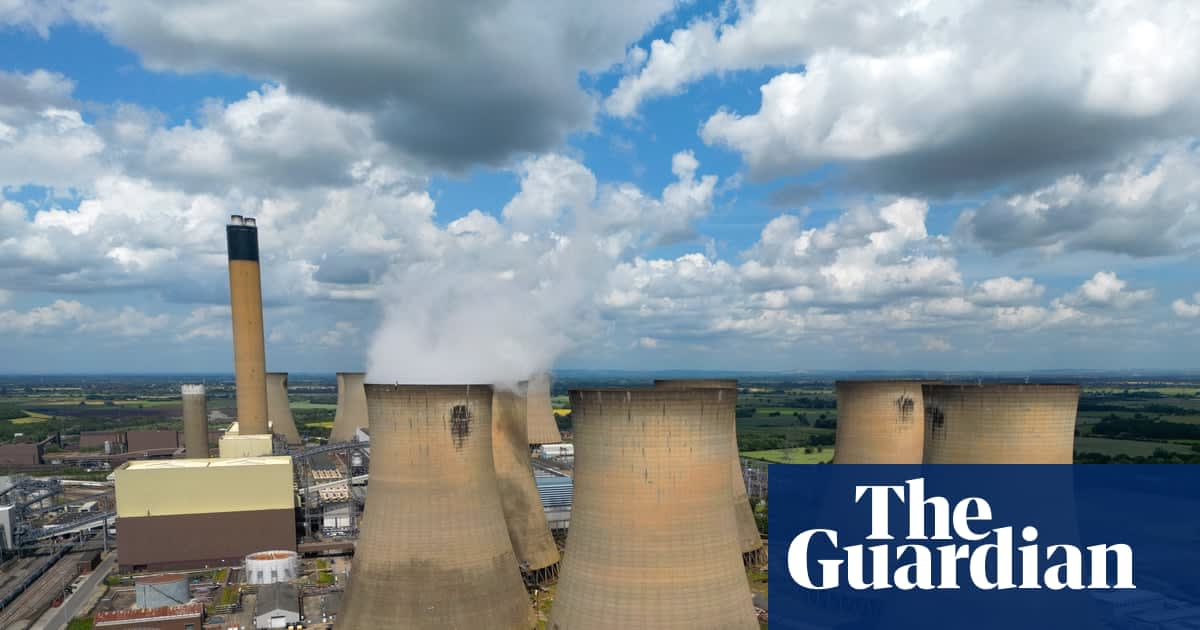
Drax's proposed AI datacentre in North Yorkshire faces scrutiny for its potential environmental impact. Projections suggest the facility could generate carbon emissions nearly double those of all annual flights from Gatwick airport.
The Environmental Cost of AI Infrastructure
The intersection of artificial intelligence growth and industrial energy consumption has reached a critical juncture. Drax, a prominent energy company, has unveiled plans to repurpose a segment of its biomass power plant in North Yorkshire into a specialized datacentre. This project, intended to meet the soaring demand for AI-driven computing power, is now the subject of intense environmental scrutiny. Recent analysis suggests that the facility could burn approximately 4.9 million tonnes of wood annually, leading to a carbon footprint nearly double the total yearly emissions of all flights departing from Gatwick Airport.
The Scale of AI Energy Demand
Modern AI datacentres are incredibly resource-intensive, requiring immense quantities of electricity to operate thousands of servers and the complex cooling systems necessary to prevent thermal failure. As AI models become more sophisticated, the energy footprint of training and running these systems has ballooned. The industry is currently facing a bottleneck; in the UK alone, there are 315 datacentres awaiting grid connection. These projects collectively represent a staggering 73GW of electricity demand, a figure that nearly doubles the peak winter energy requirements for the entire nation.
Challenges to Sustainability Claims
Campaigners have sharply criticized the proposal, labeling the planned facility as one of the most environmentally detrimental datacentres currently in development. The core of the controversy lies in the reliance on biomass as a primary energy source. While Drax has historically positioned its operations within the context of renewable energy, the sheer volume of wood required to fuel such a massive datacentre has raised alarms regarding the actual carbon intensity of the facility. The discrepancy between the industry's push for 'clean' AI and the reality of high-emission power generation is creating a significant public relations and regulatory challenge.
Regulatory and Grid Implications
The UK’s national electricity grid is currently undergoing a massive stress test as it attempts to integrate this surge in demand. With 73GW of new power requests currently in the queue, regulators are forced to balance the desire for technological innovation with the reality of carbon budgets and grid stability. The Drax project serves as a microcosm of this broader conflict: can the UK foster a world-leading AI sector while simultaneously meeting its legally binding net-zero carbon emission targets?
Future Trends and Outlook
Looking ahead, the tension between AI development and environmental sustainability is expected to intensify. As datacentres continue to proliferate, energy companies and tech giants will likely face increased pressure to prove the carbon neutrality of their operations. Projects that rely on high-emission fuel sources, such as large-scale biomass combustion, may face more stringent oversight, potential permit delays, and increased calls for transparency. The outcome of the Drax development will likely set a precedent for how future large-scale energy projects are evaluated in the context of the global AI gold rush.