Dreame’s dream of a rocket-powered car is dead
Source Entity
Andrew J. Hawkins
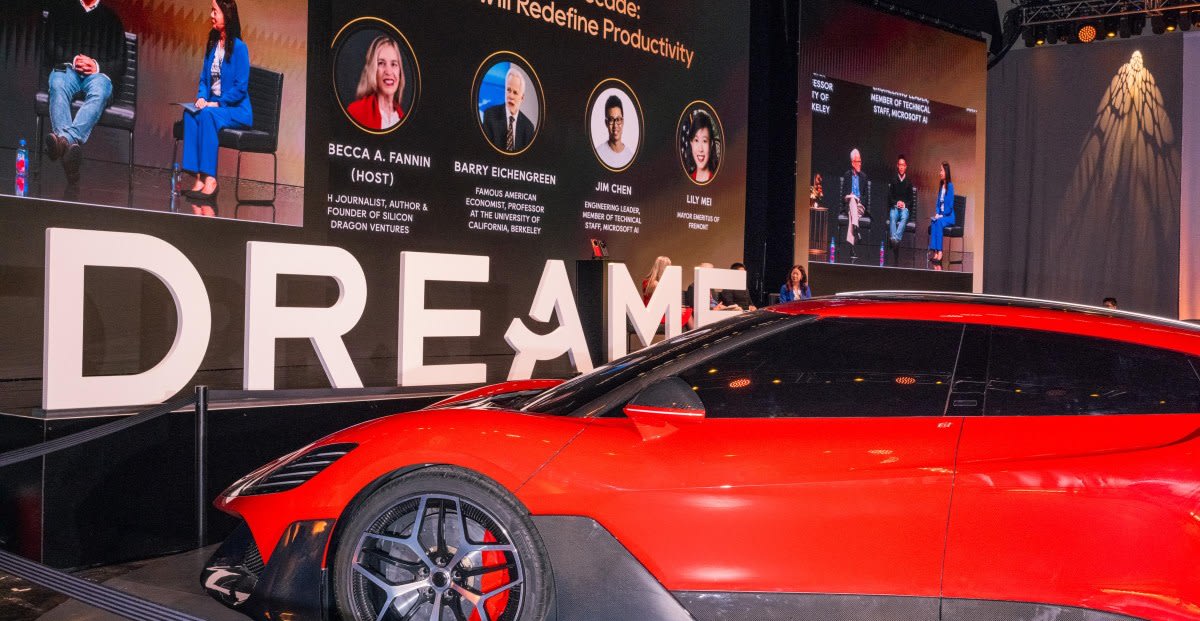
Chinese appliance manufacturer Dreame has officially shuttered its ambitious 'Project Starry Sky' automotive division. The move follows a withdrawal of government funding, leading to the layoff of over 1,000 employees as the company pivots back to its core business.
The Collapse of Project Starry Sky
The abrupt termination of Dreame’s automotive ambitions marks a significant pivot for the company, which had sought to transition from a household appliance manufacturer into a diversified global technology giant. Known primarily for its vacuum cleaners and home robotics, Dreame’s entry into the automotive sector via "Project Starry Sky" represented a high-stakes attempt to capitalize on China’s booming electric vehicle (EV) market. However, recent reports confirm that the project has been effectively dismantled.
The Role of Government Funding
At the heart of this shutdown is the cessation of crucial government financial support. In the Chinese tech landscape, state backing often serves as the lifeblood for capital-intensive ventures like automotive manufacturing. When this funding dried up, the viability of "Project Starry Sky" evaporated almost immediately. This underscores the volatility inherent in Chinese industrial projects that rely heavily on subsidies rather than purely organic market demand or private venture capital.
Workforce Impact and Operational Wind-down
The human cost of this strategic reversal is significant. At its peak, the automotive division commanded a workforce of over 1,000 employees, representing a massive investment in specialized engineering and design talent. Currently, the division has been reduced to a skeleton crew of legal and HR staff, whose sole purpose is to oversee the liquidation of assets and the formal cessation of operations. This rapid transition from a large-scale project to a wind-down phase highlights the speed at which corporate priorities can shift in the face of financial instability.
Strategic Realignment
Dreame has characterized this move as an adjustment of operations that were merely in the "exploratory phase." By stepping away from the automotive sector, the company is signaling a return to its core competencies. While the dream of a rocket-powered or high-tech vehicle may have captured headlines, the reality of the global EV market—which is currently characterized by intense price wars and high barriers to entry—likely made the project a liability rather than an asset.
Broader Implications for Tech Diversification
This case serves as a cautionary tale for consumer electronics companies looking to enter the automotive space. While firms like Xiaomi have successfully navigated the transition into EV production, Dreame’s failure demonstrates that brand equity in household appliances does not necessarily translate into success in the automotive industry. The technical, regulatory, and capital requirements for building cars are vastly different from those required for robotics.
Future Outlook
Moving forward, Dreame will likely focus on strengthening its position in the home appliance and robotics market. By shedding the weight of its struggling automotive arm, the company can streamline its resources and focus on its primary revenue streams. While the "Project Starry Sky" era has come to an end, the lessons learned from this failed expansion will likely inform the company’s future approach to R&D and market entry strategies.