E20 petrol can reduce fuel economy by 2-6%: Nitin Gadkari
Source Entity
India Latest News: Top National Headlines Today & Breaking News | The Hindu
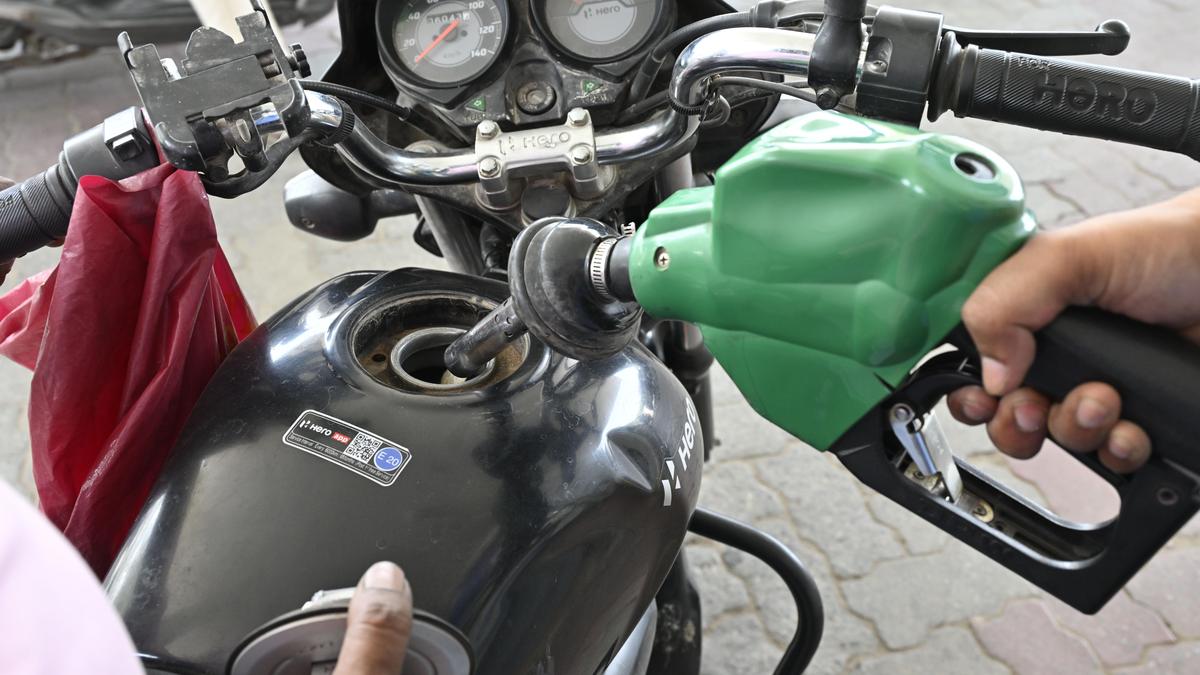
The Indian government has clarified that E20 fuel may cause a minor 2-6% reduction in fuel efficiency for older vehicles. Authorities emphasize that this shift supports lower carbon emissions and maintain that engine durability remains unaffected.
Understanding the Impact of E20 Fuel on Indian Vehicles
Recent government disclosures in the Lok Sabha have brought clarity to the ongoing public discourse regarding the implementation of E20 fuel—a blend of 80% gasoline and 20% ethanol. As India continues its transition toward higher biofuel integration, concerns regarding fuel efficiency and engine longevity have surfaced. The Ministry of Road Transport and Highways, citing data from the Automotive Research Association of India (ARAI), the Society of Indian Automobile Manufacturers (SIAM), and the Indian Oil Corporation, has officially acknowledged that older vehicles (BS-III, BS-IV, and BS-VI) designed for E10 fuel may experience a 2-6% reduction in mileage when using E20.
Reconciling Varied Government Figures
Discrepancies in official communication have previously fueled public skepticism, with the Petroleum Ministry noting a 3-5% reduction while the Road Transport Ministry cited a 2-6% range. These figures are not contradictory but rather reflect the variability inherent in vehicle testing across different categories and vintages. Experts maintain that while these percentages represent a measurable decrease, they are within the expected parameters for engine performance when transitioning to a higher ethanol blend without specific hardware modifications.
Debunking Myths and Addressing Public Backlash
Amidst a surge of social media claims suggesting that E20 fuel causes significant engine failure or that automakers are being pressured to suppress performance data, the Ministry of Petroleum and Natural Gas (MoPNG) has issued a firm rebuttal. The government has categorically denied any coercion of manufacturers to hide negative impacts. Furthermore, technical testing, including dynamometer evaluations and real-world road trials, has indicated no evidence of engine failure due to the use of E20 fuel, directly addressing fears regarding long-term component wear and tear.
The Balancing Act: Performance vs. Environment
While the minor reduction in fuel economy is a point of contention for consumers, the government highlights significant trade-offs in favor of environmental sustainability. The study commissioned by the Centre indicates that E20 fuel offers tangible benefits, including improved acceleration and superior ride quality. Most importantly, the shift to E20 is a cornerstone of India’s environmental policy, yielding approximately 30% lower carbon emissions compared to the previous E10 standard. This transition is essential for meeting national carbon reduction targets and reducing dependency on imported fossil fuels.
Future Trends and Consumer Guidance
The adoption of E20 as a national standard represents a fundamental shift in India's energy infrastructure. Moving forward, the government maintains that fuel economy is not solely a product of fuel composition but is heavily influenced by driving habits and vehicle maintenance schedules. As the fleet continues to modernize, the gap in efficiency between legacy vehicles and new, E20-compliant engines is expected to narrow. The transparency provided by these recent studies aims to stabilize public sentiment, ensuring that the transition to cleaner energy remains both data-driven and consumer-conscious.
Multiple Citing Sources
Verification Required?