Red Alert In Kerala's Kottayam After Rain Triggers Landslides, Flooding
Source Entity
NDTV News Search Records Found 1000
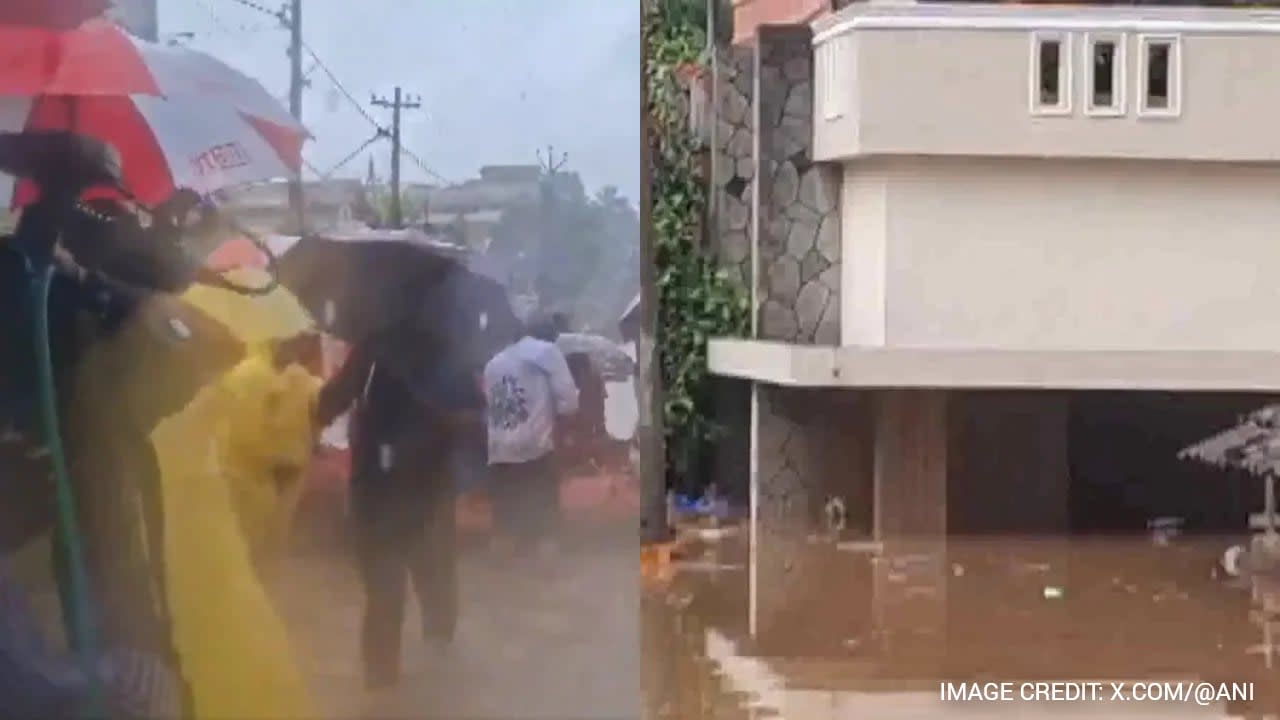
Incessant heavy rainfall in Kerala has triggered deadly landslides and flash floods, particularly in the Idukki and Ernakulam districts. While two deaths are confirmed and rescue operations are ongoing, state authorities maintain that the situation is under control with relief camps established.
Devastating Rainfall Triggers Crisis Across Kerala
On Saturday, August 1, 2026, the state of Kerala faced severe meteorological instability as incessant heavy rainfall triggered widespread landslides and flash floods. The impact of this extreme weather event has been felt most acutely in the central regions, where the topography—characterized by high-altitude terrains and complex river systems—has amplified the risk of debris flow and inundation. As of the current reports, at least two fatalities have been confirmed in the Idukki district, a region particularly prone to geological instability during monsoon-like conditions.
Geographical Impact and Infrastructure Vulnerability
The damage is not limited to the hills of Idukki. In the Ernakulam district, the eastern reaches, including Kothamangalam, have experienced significant waterlogging. The situation has been exacerbated by the swelling of the Muvattupuzha and Thodupuzha rivers, both of which have breached their danger levels. The rising waters of the Pooyamkutty, a tributary of the Periyar, have further complicated the situation, isolating communities and inundating residential properties. The District Disaster Management Authority has responded by closing tourist spots and issuing urgent advisories to those living along riverbanks.
Government Response and Disaster Preparedness
Revenue Minister A.P. Anilkumar has officially stated that the state government is maintaining a posture of readiness. Recognizing the cyclical nature of these disasters in Kerala, the administration has preemptively opened relief camps in vulnerable areas. The government’s strategy focuses on the forced evacuation of residents in high-risk zones, regardless of whether the intensity of the rainfall shows signs of immediate abatement. This proactive stance is a critical component of Kerala's disaster management framework, designed to minimize casualties in the face of unpredictable climate events.
The Human and Social Toll
Beyond the immediate threat to life, the rainfall has disrupted the social fabric of the state, with schools declaring holidays and local economies stalling. The fear of being trapped under debris remains a significant concern for rescue teams currently working in multiple districts. The interplay between heavy precipitation and the region's fragile ecology creates a recurring cycle of displacement. For the affected families, the current situation serves as a stark reminder of the environmental challenges posed by the state's geography during the monsoon season.
Future Trends and Resilience
Looking ahead, the meteorological forecasts suggest that while the intensity of the rain may fluctuate, the state remains in a heightened state of alert. The reliance on red alerts and systemic evacuations highlights a shift toward more aggressive disaster mitigation tactics. As Kerala continues to navigate these environmental pressures, the effectiveness of its disaster response will rely heavily on the continued coordination between local authorities and the public in adhering to safety advisories. The ongoing efforts to secure high-risk zones will be the defining factor in preventing further loss of life during this period of severe weather.
Verification Required?