NEET-UG 2026 case: CBI links leak to teachers who set paper, did translation work
Source Entity
PRIYANKA JAISWAL
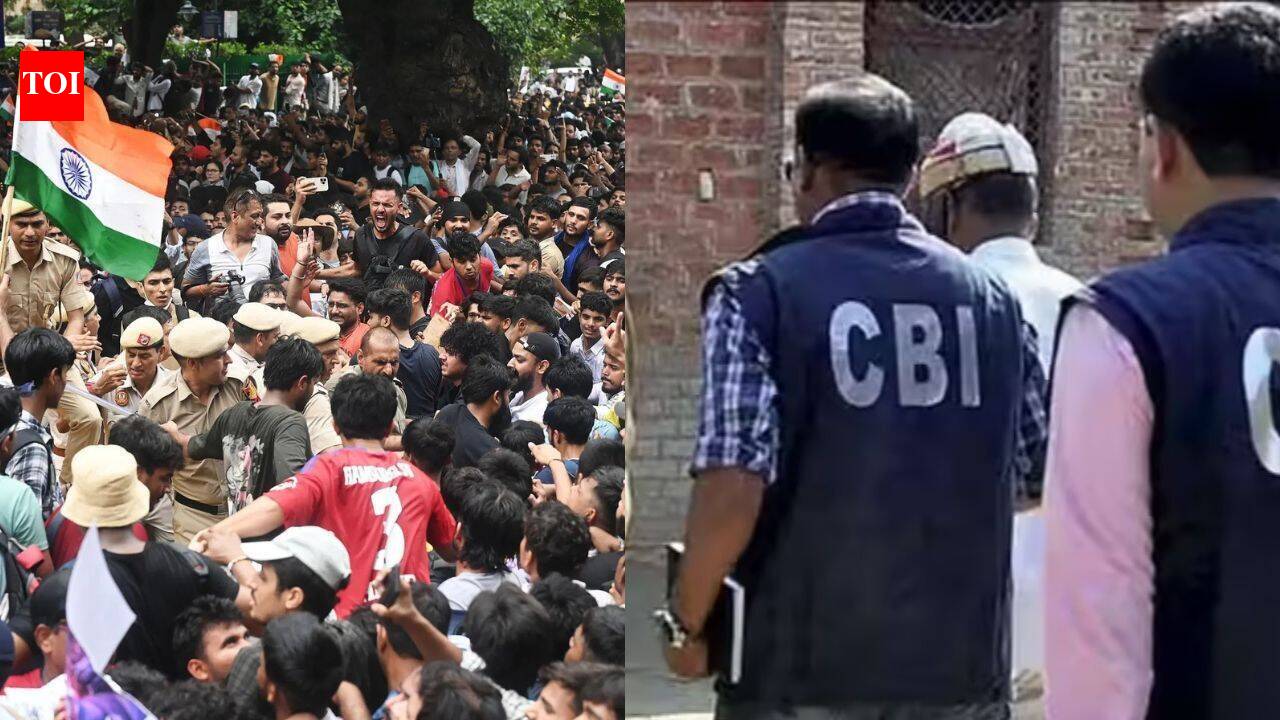
The CBI has filed a 20,000-page chargesheet against 13 individuals involved in the NEET-UG 2026 paper leak, exposing a major security lapse by paper setters. Legal proceedings are moving to a fast-track court to ensure accountability following widespread student protests.
The NEET-UG 2026 Breach: A Failure of Institutional Integrity
The integrity of India's medical entrance examination system faces a critical turning point following the revelation of a sophisticated leak involving the very individuals tasked with safeguarding the NEET-UG 2026 paper. The Central Bureau of Investigation (CBI) has filed a massive 20,000-page chargesheet against thirteen individuals, uncovering a disturbing nexus between subject experts, teachers, and private coaching operators. This breach was not merely an external hack but an internal corruption of the testing process.
The Anatomy of the Leak
According to findings, the compromise originated from a fundamental procedural lapse: the same group of experts was simultaneously entrusted with both setting the question paper and performing translation work. This dual responsibility granted them unrestricted access to the final content. These individuals allegedly memorized the questions and reconstructed them from memory. The information was then funneled into private coaching classes, with investigators noting the bizarre involvement of a beautician who reportedly formatted the stolen content for commercial distribution.
Procedural Lapses and Accountability
The CBI's investigation highlights how the lack of compartmentalization in the examination process allowed for this systemic failure. By failing to separate the duties of setters and translators, the testing authorities inadvertently created a loophole that permitted the leakage of sensitive data. The chargesheet details how these reconstructed questions were disseminated across multiple states, demonstrating a well-coordinated effort to profit from the academic aspirations of thousands of students.
Judicial Intervention and Fast-Track Justice
In response to the public outcry and mass protests at Jantar Mantar, Prime Minister Narendra Modi announced the establishment of fast-track courts to handle exam fraud cases. The case is now slated to be heard by Special Judge Anu Grover Baliga. This move signifies a shift toward prioritizing high-stakes educational crimes, which have historically languished in the judicial system for decades—as evidenced by the 2003 CAT paper leak, which remains at the "arguments on charge" stage even today.
Broader Implications for National Testing
The transition of these cases to fast-track courts is intended to act as a deterrent against future exam-related corruption. However, the movement of judges—such as the recent transfer of ACJM Neetu Nagar to the National Green Tribunal—poses a challenge to the continuity of these proceedings. The judicial system must now balance the need for rapid adjudication with the requirement for thorough scrutiny of the massive evidence provided by the CBI.
Conclusion: A Future of Reform
The NEET-UG 2026 scandal serves as a stark reminder of the vulnerabilities inherent in centralized testing models. As the legal process unfolds, the focus will remain on whether these fast-track measures can provide genuine closure for affected students. Moving forward, structural reforms in how examination papers are handled, translated, and secured are essential to restoring public trust in national entrance examinations.