Kuenssberg: I asked Earl Spencer who we should believe - him or the King?
Source Entity
BBC News
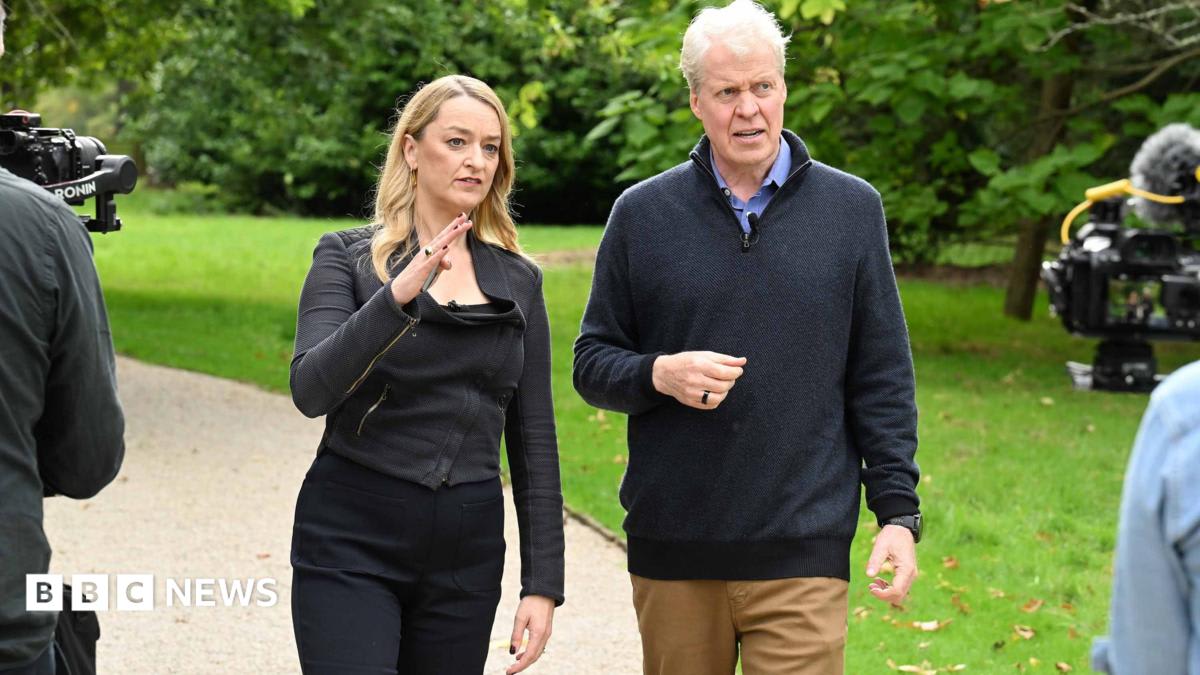
Earl Spencer has publicly criticized the media's treatment of Prince Harry and Meghan Markle, drawing direct parallels to the negative press scrutiny that plagued his sister, Princess Diana. His remarks, made in an interview with Laura Kuenssberg, prompted a rare and sharp rebuttal from Buckingham Palace.
The Spencer-Palace Standoff: A Modern Royal Crisis
Recent revelations from Charles, Earl Spencer, have ignited a significant public and political discourse regarding the relationship between the British Royal Family, the media, and the late Princess Diana. During an interview with the BBC’s Laura Kuenssberg at the Althorp estate, the Earl addressed the contents of his new memoir, which has stirred controversy and prompted a rare, aggressive response from Buckingham Palace. The Palace, typically known for its adherence to the mantra of "never explain, never complain," issued a blistering statement explicitly questioning the Earl’s account of the events following Princess Diana's death.
Historical Echoes and Media Scrutiny
At the heart of Earl Spencer’s commentary is the assertion that the intense and often "unpleasant" media scrutiny faced by the Duke and Duchess of Sussex, Prince Harry and Meghan Markle, bears a haunting resemblance to the treatment his sister endured. The Earl articulated a clear warning to the public and the press, suggesting that the industry has failed to learn from the tragic history of Princess Diana. He described the persistent negative coverage as a "cancerous influence" that can systematically dismantle an individual's mental well-being.
The Human Cost of Public Life
Earl Spencer provided a poignant, personal perspective on the impact of this scrutiny, recalling the "tears of despair" he witnessed his sister shed. By describing Diana as being "brought low" by relentless tabloid criticism, he highlighted a vulnerability that he believes is being ignored in the current treatment of Harry and Meghan. His testimony serves as a bridge between the past and present, suggesting that the mechanisms of press intrusion remain largely unchanged, despite the lessons many hoped would be gleaned from the Princess of Wales's life and untimely death.
Buckingham Palace’s Rare Rebuttal
The decision by Buckingham Palace to formally dispute the Earl’s narrative represents a significant departure from royal protocol. By choosing to engage directly with the claims made in the memoir, the institution has signaled that it is no longer willing to remain silent in the face of narratives that challenge its official history. This confrontation creates a complex dynamic, pitting the personal, anecdotal memories of a family member against the established, guarded position of the monarchy.
Broader Implications and Future Trends
This dispute underscores a widening chasm between the Royal Family and those who seek to redefine their public narratives. As the media landscape continues to shift toward more aggressive digital scrutiny, the debate surrounding the "cancerous" nature of press coverage is likely to intensify. The Earl’s call for society to "learn from Diana's example" suggests that the struggle for privacy and the fight against systemic character assassination will remain a central theme in royal discourse for years to come.
Conclusion
The tension between the Spencer family and Buckingham Palace is more than a mere dispute over historical accuracy; it is a fundamental clash over who owns the narrative of the monarchy’s most turbulent era. As the public weighs the Earl’s claims against the Palace’s firm denial, the legacy of Princess Diana continues to serve as the benchmark by which the treatment of current royals is measured. The outcome of this discourse will likely influence how the institution manages its public image and interpersonal conflicts in the future.
Multiple Citing Sources