Harry and Meghan's media treatment echoes what happened to Diana, Earl Spencer tells BBC
Source Entity
BBC News
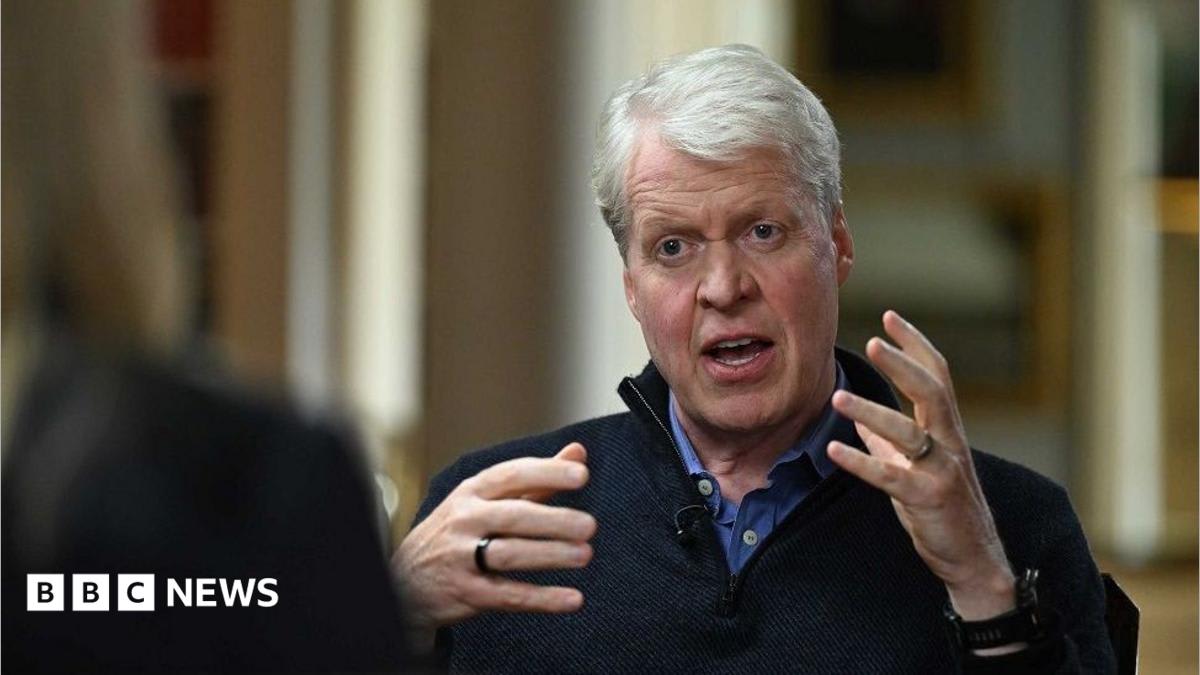
Earl Spencer has publicly drawn parallels between the intense media scrutiny faced by the Duke and Duchess of Sussex and the treatment of his late sister, Princess Diana. He described the persistent tabloid criticism as a 'cancerous influence' that mirrors the despair Diana experienced.
The Echoes of History: Earl Spencer on Media Scrutiny
In a recent interview with the BBC, Charles Spencer, the 9th Earl Spencer, offered a poignant reflection on the parallels between the media treatment of his late sister, Diana, Princess of Wales, and the current experiences of Prince Harry and Meghan Markle. Speaking from his Althorp estate, Spencer addressed the persistent and often harsh tabloid coverage that has followed the Duke and Duchess of Sussex since their decision to step back from royal duties in 2020 and relocate to California.
The 'Cancerous Influence' of Tabloid Culture
Earl Spencer utilized strong language to describe the impact of modern media cycles, labeling the relentless negative coverage a "cancerous influence" on the lives of those targeted. He emphasized that the cycle of criticism, which he observed firsthand during his sister’s life, creates a destructive environment. By characterizing the media’s approach as "really, really unpleasant," Spencer draws a direct line between the historical pressures placed on Diana and the contemporary struggles of the Sussexes, suggesting that the industry has failed to evolve or learn from the tragic outcomes of the past.
Historical Context: Diana’s Vulnerability
Reflecting on his sister’s legacy, Earl Spencer provided a rare glimpse into the personal toll that media scrutiny took on the Princess of Wales. He recalled witnessing Diana in "tears of despair," noting that she was "very, very sensitive to criticism" and was ultimately "brought low" by the constant public gaze. This historical context is vital to understanding why Spencer now feels compelled to speak out; he views the current treatment of Harry and Meghan not as an isolated phenomenon, but as a recurring pattern that threatens the mental and emotional well-being of royal family members.
The Sussexes' Transition and Media Tension
Since stepping back from their senior royal roles and moving to the United States, Prince Harry and Meghan have frequently spoken about the intrusive nature of the British press. Earl Spencer’s comments provide a significant external validation of these concerns, coming from a member of the Spencer family who remains deeply connected to Diana’s legacy. The timing of these remarks, coinciding with the couple’s return to the UK, underscores the persistent tension that exists between the Sussexes and the media apparatus that once scrutinized Diana so intensely.
A Call for Institutional Reflection
Ultimately, Earl Spencer’s intervention serves as a challenge to the media and the public alike to "learn from Diana's example." His narrative suggests that without a fundamental shift in how the press engages with public figures—particularly those within the royal orbit—the cycle of destruction will continue unabated. By highlighting that these individuals are being "destroyed daily," Spencer frames the issue as a human rights and psychological concern rather than merely a matter of celebrity gossip or royal intrigue.
Future Implications for Press Ethics
As the media landscape continues to shift, the debate surrounding the treatment of Prince Harry and Meghan Markle will likely remain a focal point for discussions on ethics in journalism. Spencer’s testimony reinforces the argument that the "most photographed woman in the world" set a precedent for how intrusive coverage can lead to profound personal despair. Whether or not media outlets will heed the call to change their practices remains to be seen, but the comparison to Diana ensures that the discourse will remain inextricably linked to the historical trauma of the British monarchy.
Multiple Citing Sources